You don’t usually think about water quality when everything is working as expected. It’s only when the kettle develops a chalky coating, the bathroom starts smelling unusual, or freshly washed dishes look anything but clean that water becomes a topic of conversation.
And once you start researching possible solutions, things can get complicated rather quickly.
There are countless treatment products available, each designed to address different concerns. Unfortunately, knowing which one belongs in your home isn’t always obvious.
For homeowners throughout Northeast Illinois, reliable water treatment system guidance can make the difference between purchasing unnecessary equipment and finding a solution that genuinely improves everyday life.
The trick is to understand your water before trying to change it.
What Is Your Household Water Trying to Tell You?
Sometimes, ordinary household inconveniences provide useful clues about water quality. White deposits around faucets may indicate excessive hardness, while reddish-brown stains could suggest iron or plumbing corrosion.
Having common water quality concerns explained in straightforward language makes it easier to recognize which problems deserve further investigation.
For instance, water that appears milky but clears after sitting in a glass may simply contain tiny air bubbles. Persistent cloudiness, however, could indicate suspended particles or other issues. Also read: How Water Softening Helps Protect Your Home From Stubborn Hard Water Scale
An unpleasant rotten egg smell might be associated with hydrogen sulfide or sulfur-related bacterial activity.
These observations are helpful, but they aren’t a substitute for proper testing. Certain potentially harmful contaminants cannot be detected through appearance, smell, or taste.
Understanding the difference between everyday inconveniences and possible safety concerns is an important part of responsible water treatment.
Should You Test Your Water Before Buying Treatment Equipment?
In most situations, absolutely.
Imagine spending several hundred dollars on a filtration system only to discover that it doesn’t address the minerals responsible for those stubborn deposits around your bathroom fixtures.
It’s an avoidable expense.
Water testing can measure characteristics such as hardness, iron concentrations, and pH. Specialized laboratory analysis may also be necessary to investigate bacteria, nitrates, lead, or other potentially harmful contaminants. Also read: Making the Most of Your Private Well: Finding Water Treatment That Works for Your Home
Municipal water customers can review their supplier’s annual water quality report, while private well owners should arrange regular laboratory testing.
Once you have reliable findings, comparing treatment equipment becomes considerably easier. You’re making decisions based on actual information rather than hoping a particular product will solve the problem.
Understanding Which Treatment System Does What
One of the biggest sources of confusion is assuming that all water treatment equipment performs essentially the same function.
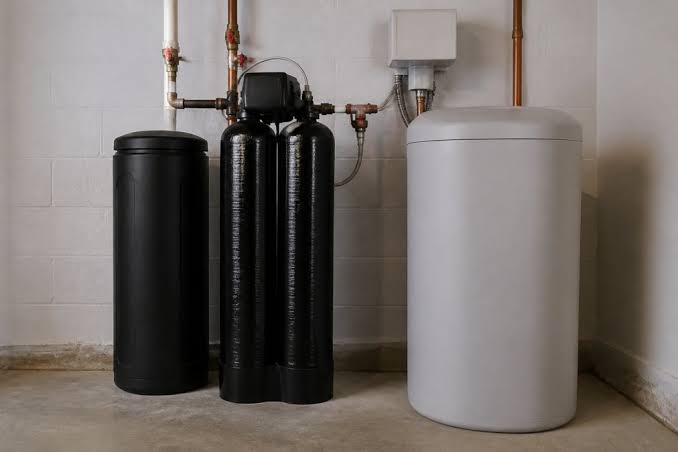
Traditional water softeners reduce calcium and magnesium through ion exchange, helping manage hardness and mineral scale.
Sediment filters capture suspended particles. Activated carbon filters may reduce certain chemicals and improve unpleasant tastes or odors. Reverse osmosis systems use a membrane to reduce various dissolved substances.
Each technology has its own purpose and limitations.
A household dealing primarily with excessive hardness may not need an elaborate drinking water filtration arrangement. Likewise, a conventional softening system isn’t necessarily suitable for addressing health-related contaminants. Also read: Experience the Everyday Advantages of Non-Electric Water Softening Technology
Choose equipment based on what your water needs rather than how impressive the product sounds.
Do You Really Need Whole-House Water Treatment?
Not always. Sometimes, a smaller system makes considerably more sense.
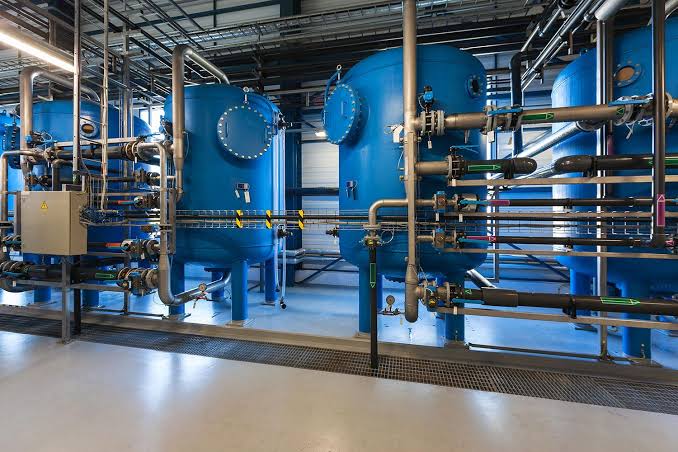
A whole-house treatment arrangement may be useful when water quality problems affect several household activities, including laundry, bathing, cleaning, and appliance operation.
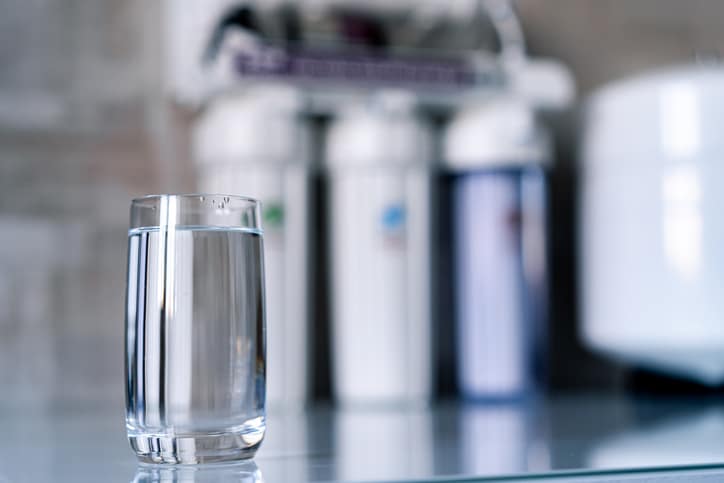
Point-of-use filtration, such as equipment installed beneath the kitchen sink, concentrates treatment where drinking and cooking water is needed.
Some families benefit from combining these approaches, particularly when hardness and separate drinking water concerns occur together.
Consider your daily routine before deciding. If your biggest frustration is the taste of your morning coffee, your requirements may differ from those of someone constantly dealing with mineral deposits throughout the house.
Everyday Questions Worth Asking Before Installation
Homeowners searching for trustworthy water treatment advice and FAQs often want to understand how equipment will affect their daily routines, household expenses, and maintenance responsibilities. Also read: Understanding Hard Water and Keeping Mineral Deposits Under Control
Will a softening system require frequent salt replenishment? How expensive are replacement filters? Does the equipment need electricity or additional plumbing connections?
These are perfectly reasonable questions.
Before committing to an installation, discuss equipment capacity, water pressure requirements, available space, and warranty coverage.
It’s also worth asking whether the system adds sodium to softened water and whether a separate drinking water tap would suit your household’s needs.
A knowledgeable professional should be able to explain these details without making the process unnecessarily complicated.
Keeping Your Water Treatment Equipment in Good Condition
Installing treatment equipment doesn’t mean you can forget about water quality altogether.
Filters have limited capacities, softening systems require routine attention, and reverse osmosis membranes eventually need replacing. Also read: Clean Water at Home: Small Improvements That Make a Real Difference
Following manufacturer maintenance recommendations helps equipment continue performing as intended.
Don’t rely entirely on changes in water taste or appearance to determine when servicing is necessary. Treatment performance can decline without obvious warning signs.
Keeping a simple record of filter replacements, servicing appointments, and water test results can make long-term ownership easier.
Better Water Is About Making Sensible Choices
Improving household water quality shouldn’t require an overwhelming investment or a basement filled with unnecessary equipment.
For Northeast Illinois homeowners, the most practical approach begins with identifying concerns, obtaining reliable testing results, and selecting treatment methods with verified performance.
Sometimes, a relatively modest improvement can make everyday routines noticeably easier. Less time scrubbing mineral deposits, better-tasting drinking water, and fewer maintenance frustrations are all benefits worth considering.
Water is involved in countless ordinary moments throughout your day. Giving its quality the attention it deserves isn’t about chasing perfection. It’s about creating a home that feels comfortable, functions reliably, and makes everyday life just a little easier.