Having your own well can be one of the most rewarding aspects of homeownership. There’s a certain satisfaction in knowing that the water flowing through your home comes from beneath your own property. Still, that independence brings responsibilities. Unpleasant odors, mineral deposits, cloudy water, and rusty stains can occasionally turn a valuable household resource into a source of frustration.
Exploring different private well water treatment options can help homeowners find practical ways to address groundwater concerns without investing in unnecessary equipment.
The secret isn’t necessarily choosing the most advanced system available. It’s understanding your water, identifying what needs attention, and finding treatment that fits comfortably into your everyday life.
Understanding What Makes Your Well Water Unique
Groundwater isn’t quite as predictable as we sometimes imagine. As it travels through underground rock and soil formations, it may absorb minerals and other naturally occurring substances.
Calcium and magnesium contribute to hardness, while iron can create reddish-brown stains and metallic flavors. Hydrogen sulfide may be responsible for unpleasant rotten-egg odors.
Surrounding land use, environmental conditions, and well construction can also influence water quality.
What’s particularly interesting is that neighboring properties may experience completely different groundwater concerns. Your neighbor might have beautifully clear water while you’re constantly dealing with sediment. Also read: How Water Softening Helps Protect Your Home From Stubborn Hard Water Scale
That doesn’t necessarily mean something is seriously wrong with your well. It does mean that understanding your individual water supply is essential before deciding how to treat it.
Combining Treatment Methods for Better Results
Some water quality problems are relatively straightforward, while others require a combination of technologies.
A carefully planned approach to well water filtration and conditioning can address multiple concerns by allowing different treatment components to perform their respective functions.
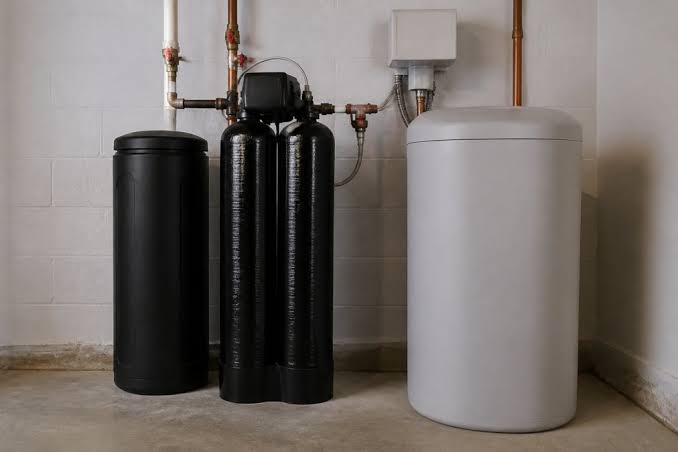
Sediment filters help capture suspended particles, while conventional water softeners reduce dissolved hardness minerals.
Specialized oxidation and filtration equipment may help manage excessive iron and certain sulfur-related concerns. Additional technologies may be required when laboratory testing identifies microbial or chemical contaminants.
The installation sequence matters, too. Removing excessive sediment before water reaches sensitive treatment components can help protect their performance.
Rather than collecting separate filters over the years, a coordinated arrangement can make equipment maintenance and household water management much simpler. Also read: Experience the Everyday Advantages of Non-Electric Water Softening Technology
Why Professional Guidance Can Save You Money
Purchasing water treatment equipment without understanding the underlying problem can be an expensive exercise in trial and error.
Reliable well water treatment services can help homeowners interpret testing results, evaluate existing equipment, and identify appropriate treatment methods.
A professional assessment should consider water chemistry, household consumption, well pump capacity, and available installation space.
These details might seem relatively minor, but they influence how effectively treatment equipment performs.
When consulting a provider such as Hawkins Water, ask why particular systems are recommended and how their performance can be verified.
You should also understand the anticipated maintenance expenses before committing to an installation. Knowing what you’re paying for makes it easier to choose equipment with genuine long-term value.
Paying Attention to Problems Beyond Drinking Water
When homeowners think about groundwater quality, drinking water understandably receives much of the attention. But your well also supplies water for showers, laundry, cleaning, and numerous household appliances. Also read: Understanding Hard Water and Keeping Mineral Deposits Under Control
Excessive hardness may contribute to scale accumulation inside water heaters. Suspended particles can collect inside appliance screens and plumbing components. Iron may stain clothing and bathroom fixtures.
Appropriate centralized treatment helps manage selected concerns before water reaches designated household outlets.
A dedicated drinking water system may provide additional treatment when specific contaminants require it.
Think about which problems affect your household most frequently. Those everyday frustrations can provide useful context when discussing equipment recommendations with a water treatment professional.
Making Water Testing a Habit Rather Than an Afterthought
It’s easy to assume that groundwater remains unchanged, especially when you’ve lived in the same property for years. However, environmental conditions and the condition of the well can change over time.
Private well owners should arrange appropriate laboratory testing at least annually for common concerns such as bacteria and nitrate, with additional testing based on local conditions and professional guidance.
Flooding, heavy rainfall, or sudden changes in water appearance may warrant further investigation. Also read: Clean Water at Home: Small Improvements That Make a Real Difference
Remember that unpleasant tastes and odors aren’t reliable indicators of drinking water safety.
If harmful contamination is suspected or confirmed, use a verified safe alternative for drinking and cooking until corrective measures and testing establish that the problem has been addressed.
Choosing a System That’s Easy to Live With
Water treatment equipment should improve your household routine, not complicate it.
Before installation, consider replacement filter costs, regenerating salt requirements, servicing accessibility, and the amount of water needed for equipment operation.
Some systems require periodic backwashing, while others need replacement cartridges or specialized treatment media.
Make sure there’s sufficient space around the equipment for routine maintenance. An awkward installation location can make even a simple filter replacement unnecessarily frustrating.
Keeping a record of servicing dates and laboratory results is another worthwhile habit. Also read: Keeping Your Home Comfortable with Reliable Heating and Cooling
These small organizational efforts can help you recognize changes in system performance before they develop into larger problems.
Enjoying the Independence That Comes With Better Well Water
Owning a private well shouldn’t mean constantly worrying about rusty stains, unpleasant odors, or recurring mineral deposits.
With reliable testing, thoughtfully selected treatment equipment, and consistent maintenance, many common groundwater concerns can become considerably more manageable.
The rewards often appear in life’s ordinary moments — washing your favorite clothes, enjoying a comfortable shower, or preparing a meal for the family.
Your well is more than just another feature of your property. It’s a resource that supports nearly everything your household does.
Looking after it properly is an investment in everyday comfort, responsible homeownership, and a water supply you understand a little better with each passing year.