Category: Business

  • Why a Hotel Feasibility Study Is Essential Before Investing in a New Property

    Why a Hotel Feasibility Study Is Essential Before Investing in a New Property

    Opening a hotel can be an exciting business opportunity. A well-located property, comfortable rooms, thoughtful service, and a clear sense of hospitality can attract guests for years. But there’s another side to the business that doesn’t always receive enough attention: the financial and operational work required before the first guest walks through the door.

    Hotel development involves substantial investment, and even an attractive location doesn’t guarantee success. Travelers’ preferences change, competitors introduce new services, construction costs rise, and demand can fluctuate with the season. A hotel that looks profitable in a presentation might struggle once its actual expenses are considered.

    That’s why careful planning matters. Before purchasing land, renovating an existing building, or signing a development agreement, investors need to understand whether their idea is commercially realistic. A structured assessment helps them examine the opportunity, identify potential problems, and make decisions based on evidence rather than enthusiasm alone.

    Understanding the Hotel Business Before Making a Commitment

    Hotels operate differently from many other businesses. They must maintain facilities, manage staff, provide consistent guest experiences, and cover fixed expenses even when occupancy is low. A property with 100 rooms, for example, still requires maintenance, security, management, and basic utilities when only 35 rooms are occupied.

    This makes early planning particularly important. Investors need to understand who their customers will be, why those customers would choose the property, and how much they are willing to pay. A business hotel near a commercial district may depend on weekday corporate travelers, while a resort might rely heavily on holiday bookings and seasonal tourism.

    The operating model also matters. A boutique hotel, an economy property, and a luxury resort have different staffing requirements, service expectations, construction budgets, and revenue opportunities. Choosing the wrong model for a location can create problems that are difficult to correct later.

    Good planning begins with asking practical questions. Is there enough demand throughout the year? Can the property compete with established hotels? Will the expected room rates cover operating expenses and investment costs? Honest answers provide a much stronger starting point than optimistic assumptions.

    What a Hotel Feasibility Study Actually Examines

    A Hotel Feasibility Study evaluates whether a proposed hotel project has a reasonable chance of succeeding in its intended market. It brings together information about demand, competition, location, development costs, operations, and financial performance.

    The objective isn’t simply to show that a hotel could make money. It’s to understand the conditions under which it might succeed, the risks that could affect its performance, and the resources required to make the business sustainable.

    Market research is usually one of the first priorities. This involves studying visitor patterns, nearby attractions, corporate activity, transportation access, local events, and the types of accommodation already available. A destination may welcome thousands of visitors each year, but that doesn’t automatically mean it needs another hotel in every price category.

    Competitive analysis adds another layer. Investors should examine comparable properties, room rates, guest reviews, facilities, occupancy patterns where reliable data is available, and the strengths of competing brands. Sometimes the opportunity lies in offering something different rather than trying to outperform every existing hotel.

    The physical location deserves equal attention. Road access, visibility, parking, neighborhood conditions, zoning restrictions, utilities, and proximity to important destinations can influence both development costs and guest demand.

    Location and Market Demand Go Hand in Hand

    People often say that location is everything in real estate. In hospitality, it’s certainly a major factor, although location alone cannot rescue a poorly planned business.

    Consider two proposed hotels in the same city. One is close to a convention center and business district, while the other is near a popular leisure destination. Both might be viable, but their customers, pricing strategies, and occupancy patterns could look very different.

    The business-district property may attract corporate travelers during the week and experience quieter weekends. The leisure property might see stronger demand during school holidays and festival periods. Understanding these patterns helps investors develop realistic revenue forecasts.

    Local competition should also be viewed in context. A high concentration of hotels may indicate strong demand, but it can also create pricing pressure. Meanwhile, a location with few hotels might represent an underserved market—or a place where visitor demand is simply too weak.

    Reliable research helps distinguish between these possibilities. Rather than relying on general tourism figures, investors should look for information relevant to their intended guests, property category, and specific location.

    Calculating Costs and Potential Revenue

    Financial planning is where many hotel proposals become more complicated. Construction or acquisition costs are only part of the overall investment. Furniture, fixtures, equipment, technology systems, recruitment, staff training, marketing, insurance, and pre-opening expenses can significantly increase the amount of capital required.

    Once operations begin, the hotel must also cover payroll, housekeeping supplies, utilities, maintenance, food and beverage expenses, booking commissions, and administrative costs. Some expenses vary with occupancy, while others remain relatively stable regardless of how many rooms are sold.

    Revenue projections should reflect this reality. Three common performance measures are particularly useful:

    • Occupancy rate: The percentage of available rooms sold during a particular period.
    • Average daily rate (ADR): The average revenue earned per occupied room.
    • Revenue per available room (RevPAR): Room revenue divided by the total number of available rooms.

    These measures help investors understand how room pricing and occupancy work together. Raising rates may increase revenue per occupied room, but it could also reduce demand if guests consider the price too high.

    Financial projections should include conservative, expected, and optimistic scenarios. If a hotel only appears profitable under unusually high occupancy, the business plan deserves another look. Testing different assumptions can reveal how much financial flexibility the project needs.

    Why Investors and Lenders Need Reliable Information

    Hotel development often involves several stakeholders, including property owners, investors, lenders, architects, operators, and sometimes hotel management companies. Each group needs a clear understanding of the proposed project’s commercial potential.

    A well-supported report gives these stakeholders a common basis for discussion. It explains the reasoning behind projected room rates, expected occupancy, development expenses, staffing plans, and future cash flow.

    For lenders, this information can help with evaluating repayment capacity and understanding the risks associated with financing. Investors may use it to compare opportunities, estimate potential returns, and decide whether the project fits their investment objectives.

    However, a feasibility assessment doesn’t guarantee loan approval or financial success. Its value depends on the quality of the research, the assumptions used, and how honestly the findings are presented.

    Choosing the Right Hotel Concept and Operating Strategy

    The proposed hotel concept should match the needs of its target market. A luxury property might require extensive amenities, premium materials, and a larger service team. A limited-service hotel, by contrast, may focus on clean rooms, convenient access, efficient check-in, and competitive pricing.

    Neither approach is automatically better. The right choice depends on local demand, available capital, operating expertise, and the experience guests expect.

    Investors should also consider whether the property will operate independently, join a hotel brand, or work with a third-party management company. Each arrangement can affect operating costs, marketing reach, management responsibilities, and brand standards.

    Technology deserves attention as well. Property management software, online booking systems, revenue management tools, and guest communication platforms can improve efficiency, but they require investment and appropriate staff training.

    A strong concept brings these elements together into a consistent guest experience without creating unnecessary expenses.

    Identifying Risks Before They Become Expensive Problems

    Every hotel project carries uncertainty. Construction delays, unexpected renovation requirements, changing travel patterns, rising interest rates, and new competitors can affect financial performance.

    A detailed assessment should identify these risks and consider practical responses. This might involve allowing a contingency budget, arranging sufficient working capital, reviewing alternative suppliers, or developing a marketing strategy for slower seasons.

    Environmental and regulatory considerations also matter. Depending on the location, developers may need to address building approvals, fire safety requirements, accessibility standards, environmental restrictions, and local operating permits.

    Professional advice can help investors understand which requirements apply before committing to a development schedule. Discovering a major compliance issue after construction has started can be far more costly than investigating it during the planning stage.

    Making a More Confident Investment Decision

    A hotel can become a valuable long-term business, but success rarely comes from the building alone. It depends on understanding guests, controlling expenses, choosing the right operating model, and adapting to changing market conditions.

    A thorough feasibility assessment gives investors an opportunity to test their assumptions before making substantial financial commitments. It can reveal whether a location supports the intended concept, whether projected revenue is realistic, and which risks deserve attention.

    Most importantly, the findings should guide actual decisions. If demand appears weaker than expected, investors might reconsider the property’s size, target market, or development budget. If the numbers look promising, they can move forward with a clearer plan and more realistic expectations.

    Good hospitality starts long before check-in. It begins with thoughtful preparation, sound financial judgment, and a willingness to examine both the opportunities and the difficult questions. Those early decisions can make all the difference between a hotel that simply opens its doors and one that has a genuine chance to thrive.


  • How to Choose a 3D Printing Service in Perth: A Buyer’s Scorecard

    Most guides to choosing a supplier are written by the supplier, and it shows. They list the criteria the author happens to satisfy and skip the ones they do not.

    This one is written differently, and we should be upfront about why. Zeal 3D is a manufacturer with a West Perth office, so we are not a neutral party. What follows is the evaluation framework we would want a buyer to apply to us, including the questions we sometimes lose on. If a competing provider scores higher on the things that matter for your specific job, you should use them. A supplier relationship that starts with an oversold pitch tends to end badly for both sides.

    The scorecard below is free to copy, adapt and use in your own procurement process.

    Quick answer: Evaluate a 3D printing service in Perth on eight dimensions: process range, material range, quality systems, design support, turnaround and delivery to your actual location, pricing transparency, communication, and confidentiality. The single most useful test is whether a provider will tell you when 3D printing is the wrong process for your part. One who never says no is selling machine time, not manufacturing advice.

    Why the Choice Matters More in WA Than Elsewhere

    Western Australia’s industrial base runs on assets that are expensive to stop.

    The state’s resources sector delivered $226 billion in mineral and petroleum sales in 2025, according to the WA Department of Mines, Petroleum and Exploration’s “Major Commodities” data. The same department’s “Economic Indicators” report records more than 136,000 on-site full-time equivalent mining roles and $55 billion in projects committed or under construction as of March 2026. The Western Australian Treasury Corporation’s “Investor Update, February 2025” puts WA at 45% of the nation’s merchandise exports in 2024.

    That produces a specific procurement risk. When a part is needed for a shutdown in Karratha or a production line in Welshpool, a supplier who quotes cheaply and delivers late has cost you far more than the quoted difference. Distance amplifies every mistake. Choosing on price alone is a reasonable strategy for stationery and a poor one for manufacturing.

    The Eight Dimensions That Actually Separate Providers

    1. Process range

    A provider running one technology will recommend that technology for everything. It is not dishonesty so much as the shape of their business.

    Ask which processes are operated in-house versus brokered to a third party. Brokering is not automatically bad, but it adds a margin and a communication layer, and it means nobody in the chain owns the outcome. A provider running FDM, SLA, SLS, MJF, PolyJet and metal DMLS/SLM can match your part to the right process instead of the available one.

    The stronger signal is whether they also run subtractive and formative manufacturing. A provider with CNC machining, injection moulding and vacuum casting available has no incentive to push a printing solution onto a part that should be machined.

    2. Material range and specificity

    “We print in a range of materials” is not an answer. Ask for the actual list, with grades.

    For WA industrial work the range that matters is engineering thermoplastics (Nylon PA12, carbon-fibre and glass-filled nylon, polycarbonate, ASA, TPU), high-temperature polymers (PEEK, ULTEM), and metals by specific alloy (Stainless Steel 316L, Aluminium AlSi10Mg, Titanium Ti6Al4V, Inconel). Vague material descriptions usually mean a narrow inventory.

    Then ask the harder question: can they source something outside the list, and what does that do to lead time?

    3. Quality systems and standards

    This is where most buyers stop asking too early.

    ISO 9001 certification tells you a documented quality management system exists. It is a baseline, not a differentiator, but its absence is informative. For regulated or safety-relevant work, ask specifically about material traceability, batch records and dimensional inspection reporting.

    Additive manufacturing also has its own standards framework now. In “Unlocking the Potential of 3D Printing in Australia,” Standards Australia notes that standardisation around terminology, quality control and process consistency is increasingly important as the sector matures, formalised in AS ISO/ASTM 52900. A provider who can discuss that framework knowledgeably is operating at a different level from one who cannot.

    Be realistic about what you need. A jig for the workshop floor does not require the documentation package of an aerospace bracket, and paying for the latter when you need the former is its own kind of procurement failure.

    4. Design and engineering support

    The gap between providers is widest here.

    At minimum, a provider should return design-for-additive feedback with the quote: printability issues, wall thicknesses that will fail, tolerances that are unachievable in the nominated process, orientation choices that affect strength. Ask whether that review is included or charged.

    Ask also what happens when you do not have CAD. Many WA enquiries begin with a worn component and no drawings. 3D scanning and reverse engineering capability, plus a CAD team who can build a model from a sketch or a photograph, turns an impossible enquiry into a routine one.

    5. Turnaround, and delivery to where you actually are

    Published turnaround times almost always mean production time only. Get the total.

    Ask for production time by process, then delivery time to your specific location. Perth metro, Bunbury, Kalgoorlie, Karratha and a remote Pilbara site are four different answers. A provider who quotes one number for “WA” has not thought about it.

    For maintenance and shutdown work, ask what express options exist and how they are prioritised. The honest answer involves trade-offs, not unlimited capacity.

    6. Pricing transparency

    Compare quotes for the same file, the same material, the same finish, and ask what is included. A cheap quote that excludes support removal, uses a coarser layer height, or applies a minimum-order fee at invoice stage is not cheap.

    Specific things to confirm: whether post-processing is included, whether there is a minimum order quantity, whether design review is charged, whether freight is included or added, and whether the quote is fixed or indicative. Published price guidance, such as a cost guide for 3d printing Perth, is useful for budgeting but no substitute for a quote against your actual geometry.

    7. Communication and technical access

    Can you speak to someone who understands manufacturing, or only to a sales function?

    For anything beyond a simple print, you will need a technical conversation. Providers with a local presence for consultations and sample inspections have an advantage on complex work, because putting the actual part on a table resolves in ten minutes what email takes three rounds to clarify.

    8. Confidentiality

    If your part is pre-release product, defence-related or commercially sensitive, ask about confidentiality arrangements before you upload anything. A provider who has never been asked will not have an answer ready.

    The 25-Point Scorecard

    Score each item 0, 1 or 2. Zero means no or unknown, one means partially, two means yes with evidence. Maximum 50.

    Process capability (10 points)

    1. Runs four or more additive processes in-house
    2. Offers metal additive as well as polymer
    3. Also offers CNC machining, moulding or casting
    4. Will state plainly when another process suits your part better
    5. Can handle both prototype and production volumes

    Materials (8 points) 

    1. Publishes a specific material list with grades 
    2. Stocks engineering-grade polymers, not just PLA and ABS
    3. Offers high-temperature or reinforced options 
    4. Will source non-standard materials on request

    Quality (10 points) 

    1. Holds ISO 9001 or equivalent certification 
    2. Can supply material traceability documentation 
    3. Offers dimensional inspection reporting 
    4. Can discuss AS ISO/ASTM 52900 and additive standards 
    5. Has references in your industry

    Design support (8 points) 

    1. Includes design-for-additive feedback with the quote at no charge 
    2. Offers 3D scanning and reverse engineering 
    3. Has in-house CAD capability 
    4. Accepts non-CAD inputs such as sketches, photographs or physical samples

    Delivery (8 points) 

    1. Publishes production times by process 
    2. Gives delivery estimates for your specific location, not just “WA” 
    3. Offers express or priority options for shutdown work 
    4. Provides tracking and confirmed ETAs

    Commercial (6 points) 

    1. Provides free, itemised, no-obligation quotes 
    2. Has no minimum order quantity, or states it plainly 
    3. Has documented confidentiality arrangements

    Reading your score: 40 and above indicates a provider capable of handling varied and demanding work. 30 to 39 suits straightforward jobs, with gaps worth probing. Below 30, look closely at which dimensions are failing and whether they matter for your particular part. A provider scoring 28 who is excellent on the five criteria your job depends on may still be the right choice.

    Red Flags

    • No process recommendation. A quote that arrives with a number and nothing else means nobody looked at your geometry.
    • Never says no. A provider who has never turned away a job is selling machine time.
    • Vague material descriptions. “Industrial-grade plastic” is not a material.
    • One turnaround figure for all of WA. Suggests they have not delivered to regional sites.
    • Reluctance to explain what is included. Transparency at quote stage predicts transparency at invoice stage.
    • Pressure to decide immediately. Manufacturing decisions rarely need to be made in a single call.

    Questions Worth Asking on the Call

    1. Which processes do you run in-house, and which do you broker?
    2. What would you change about my design to reduce cost?
    3. Is this the right process for this part, or would machining or moulding serve it better?
    4. What is your production time, and separately, your delivery time to my site?
    5. What is not included in this quote?
    6. Have you made something similar, and can you describe it without breaching confidentiality?

    The second and third questions are the most revealing. A provider who engages seriously with them is thinking about your part. One who deflects is thinking about their schedule.

    Where Zeal 3D Sits

    Applying our own scorecard honestly.

    • Strong on: process range, with six additive technologies alongside CNC machining, moulding, casting, fabrication and forging. 45+ materials including carbon-fibre nylon, PEEK, ULTEM and metals by specific alloy. Free design-for-additive review included with every quote. 3D scanning and reverse engineering for parts with no drawings. No minimum order quantity. Free itemised quotes, typically same business day. Confidentiality arrangements including for defence work. Two decades of manufacturing, rated 4.6 stars on Google, with clients including CSIRO, BHP, Thales, Deloitte, the NSW Government, Monash University and RMIT.
    • Honest about: we are one of several capable providers in this market. For a single small desktop-grade print needed within the hour, a local walk-in bureau will serve you better than we will. Our advantage shows up on parts that need engineering judgement, industrial-grade processes, material breadth, or a manufacturer who can move the job to machining or moulding when that is genuinely the better answer.
    • Local presence: our West Perth office at 1260 Hay St handles consultations, design reviews and sample inspections by appointment. Delivery covers the metro area, regional WA including Bunbury, Geraldton, Kalgoorlie, Karratha, Port Hedland and Newman, and remote sites with tracked freight.

    Upload a file, a drawing or a photograph for a free quote with a process and material recommendation attached. Or talk to an engineer first if you would rather work out the approach before committing to a file.

    Upload Your File →    Get a Free Quote →    1300 719 729

    Frequently Asked Questions

    Q1.  What should I look for in a 3D printing service in Perth? 

    Ans – Assess process range, material range with specific grades, quality certification, whether design review is included, production and delivery times to your actual location, pricing transparency, technical access and confidentiality. The most useful single test is whether the provider will tell you when 3D printing is the wrong process for your part.

    Q2. How do I compare quotes from different providers? 

    Ans – Request quotes for the same file, material and finish, then ask each what is excluded. Differences usually come down to post-processing, layer height, minimum order fees or freight rather than one provider being cheaper overall.

    Q3. Does a 3D printing company in Perth need to be certified? 

    Ans – ISO 9001 is a reasonable baseline and indicates a documented quality system. For regulated or safety-relevant parts, also ask about material traceability, batch records and dimensional inspection. For workshop tooling and prototypes, certification matters less than capability and turnaround.

    Q4. Can I get parts made without CAD files? 

    Ans – Yes, with providers offering 3D scanning and reverse engineering. A physical sample, a dimensioned sketch or photographs are enough to begin. Expect one to five additional working days depending on complexity.

    Q5. How long does a 3D printing service in Perth take? 

    Ans – Production typically runs one to three business days for FDM and three to five for SLS or MJF nylon, with metal processes taking five to ten. Add delivery: two to three business days to Perth metro, three to five for regional WA, five to seven for remote sites.

    Q6. Is there usually a minimum order? 

    Ans – It varies by provider and is worth confirming early. Some providers, including Zeal 3D, have no minimum order quantity, so a single part is quoted the same way as a production batch.

    Q7. Should I choose a local Perth provider or a national one?

    Ans – Local walk-in bureaus win on same-day simple prints. National providers with a local office generally win on industrial processes, material breadth, quality systems and multi-process capability. Many WA businesses use both.

    The Bottom Line

    Choosing a 3D printing company in Perth is a manufacturing decision, not a purchasing one. The cheapest quote is frequently the most expensive outcome once a missed shutdown window or a failed part is counted.

    Run the scorecard. Ask the second and third questions on that call list. Pay attention to whether the provider engages with your part or just your purchase order. In a state where distance amplifies every delay, the supplier who tells you the truth about what your part needs is worth considerably more than the one who tells you what you want to hear.

  • Everyday Gold Buying Trends in Two Distinct Districts

    Everyday Gold Buying Trends in Two Distinct Districts

    For countless Indian families, gold remains a purchase that blends tradition, celebration, and careful financial planning. In the historic city of Rohilkhand, many shoppers begin their day by checking the gold rate today in Shahjahanpur, a place known for its agricultural strength and a steady community of local jewellers who cater to generations of loyal customers. Far to the south, in Maharashtra’s Ahmednagar district, buyers follow the gold rate today in Ahmednagar just as closely, given the city’s long-standing reputation as a commercial centre with a well-organised bullion trade. Though these two cities belong to entirely different states and economic ecosystems, the underlying principles that shape their gold pricing remain remarkably consistent with patterns seen across the rest of the country.

    Local Economic Character and Its Effect on Pricing

    A common question asked by gold buyers relates to why gold, a metal that has a standard price across the country, incurs varying costs according to the city. International bullion price dictates the basis of the metal; this is then converted to a rupee price and distributed through wholesale dealers, who then sell it to the jewellers around cities and have to cover overheads as well as competing with one other, which contributes to a final rate that a buyer can see on a shop counter

    Shahjahanpur’s gold market is significantly dictated by the agricultural economy that prevails in the district; since farming constitutes the bulk of household incomes, purchases of gold jewellery tend to follow an annual rhythm which is dictated by the reaping seasons. Households have to convert a share of their annual income into jewellery as a means of securing wealth for the future. Accordingly, there are months of the year when local jewellery footfalls see a considerable uptick as harvest incomes trickle into the local economy, followed by a rise in weddings that take place shortly after.

    Despite the gold market in Ahmednagar being somewhat smaller than some of the biggest centres for the metal in the country, this city has traditionally been a commercial and administrative centre in the state and therefore has a jewellery market that not only caters to those who are shopping locally but also those who travel in from the surrounding areas; local jewellers have to balance out their prices with those that prevail throughout the state considering that comparison shopping is the norm among customers who have travelled extra to see what options can be had. Ahmednagar, and most places across India, also see buyers who tend to shop around before deciding on a specific jeweller where they will finalise their purchase of a big-ticket item or gold for investment purposes.

    The rate that is published either online or at a shop, generally speaking, only reflects the value of the metal itself; making charges on the piece have to be accounted for separately, and they can vary depending on how complicated the design one wishes to buy is. Simple designs will have to incur lower making charges compared to an intricate bangle or ring. On top of this, 3% Goods and Services Tax (GST) has to be paid on the value of the gold, with an additional 5% Gst levied on making charges, which can see the final bill adding up to a much higher value beyond the rate someone may have seen on their phone or on a shopfront.

    Broad-Based Forces That Dictate Value Throughout the Country

    While there are several elements that influence gold prices on a daily basis, these considerations will apply whichever city one finds oneself in when shopping for the precious metal. International bullion price determines the value of gold, which is then converted to a rupee price before being disseminated to jewellers, who add on their overhead expenses as well as marking up the value for profit. If the rupee weakens against the currency that international bullion is traded at, buyers will see a sudden jump in rates without any visible change to supply and demand reasons.

    Monetary policy changes or statements by central banks generally dictate global gold prices, as analysts will have to revise the projections they make regarding gold based on how investors will shift their investment allocations towards the physical metal or other assets like stocks and bonds. Given that gold is generally seen as a hedge against economic uncertainty, any sign of political or economic volatility will see investors rushing to purchase the metal to secure some stability in their portfolios, which drives up prices at shops across the country

    As weddings are some of the most consistent sources of demand for gold jewellery, the rhythm of the festive season will have buyers planning to purchase at least six months ahead of time in order to secure the jewellery that one wants, making sure that the designs one prefers are available on the wedding date. Cultural festivals dedicated to abundance and prosperity will also see increased jewellery footfalls as many wish to purchase the metal as a means of ushering in good fortune alongside prosperity in the coming year. The local economy in the regions where gold is being bought will also dictate trends; whether there is an uptick in agricultural incomes or local earnings from business activities, regional demand for gold will only increase as a result. Currency fluctuations as inflation expectations, and changes to import duties on the metal will also impact the rate that local jewelers will charge as a combination of these elements dictate broader price movements on a macro scale that trickle down to shop counters, making buyer awareness on the broader economy a useful tool in understanding how rates may move.

    Considerations When Shopping Around

    Comparing the rates between 2 or 3 trusted jewellers before purchasing gold eliminates the possibility of one paying a price that is higher than warranted owing to a jeweller’s local premium. Care must be taken to ascertain if the rate is applicable for 22k or 24k; there is quite a large differential between these purities that can cause an unplanned overshoot of one’s budget.

    Hallmark verification has to be done even for jewellery bought from a jeweller one trusts; a six-digit Hallmark Unique Identification number has to accompany each piece that is sold by a registered jeweller through which buyers can confirm authenticity by visiting the Bureau of Indian Standards website and verifying it through their mobile application, ensuring that the weight of gold is not understated in a piece and providing an assurance of purity.

    If a buyer has the ability to do so, monitoring rates a week or two ahead of time, in particular if one intends to purchase a larger quantity of gold coins or bars that intend to save or invest with, could allow one to purchase just as good a product at a lower price point. Any buyers who intend to utilise their gold for an upcoming purpose, like a wedding, are best served to do their research on a trusted jeweller before finalising their choice, asking for a breakdown of costs. Not only does it ensure peace of mind regarding spending, but it also fosters buyer retention as clients return to a jeweller they can trust in for the years to come.

  • Hot Rolled Steel vs Cold Rolled Steel: Key Differences

    Hot Rolled Steel vs Cold Rolled Steel: Key Differences

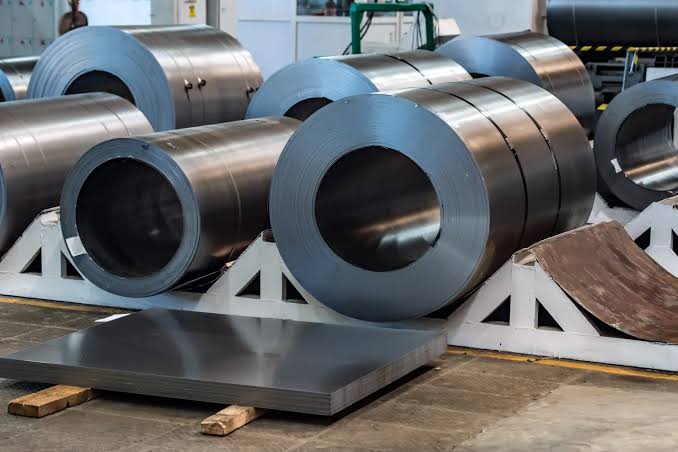
    Steel is one of the most widely used materials in construction, manufacturing, automotive production, and infrastructure. Not all steel products have the same properties or applications. There are two types of common steel: hot rolled steel and cold rolled steel. Both of these look and feel similar. Yet the making process gives them different characteristics.

    Understanding the differences between hot rolled and cold rolled steel can help businesses, fabricators, engineers and construction professionals choose the right material for their specific requirements.

    What Is Hot Rolled Steel?

    Hot rolled steel is produced by heating steel above its recrystallization temperature and passing it through rollers to achieve the desired thickness and shape. Because the steel remains hot during the rolling process, it can be processed more easily into large sections and different forms.

    Hot rolled steel is commonly available as sheets, plates, bars, and structural sections. It is widely used in construction, infrastructure, heavy machinery, railway components, and industrial fabrication.

    One of the main advantages of hot rolled steel is its suitability for applications where precise dimensions and surface appearance are less important than strength, versatility, and cost-effectiveness.

    What Is Cold Rolled Steel?

    Cold rolled steel starts as hot rolled steel that undergoes additional processing at or near room temperature. The material is further rolled to achieve tighter dimensional tolerances and a smoother surface finish.

    Because of this additional processing, cold rolled steel generally offers better dimensional accuracy and surface quality than hot rolled steel. It is frequently used in applications where appearance, precise measurements, and consistent thickness are important.

    Common applications include automotive components, appliances, furniture, electrical products, and precision engineering.

    Key Differences Between Hot Rolled and Cold Rolled Steel

    1. Manufacturing Process

    The primary difference is the temperature at which rolling takes place. Hot rolled steel is processed at high temperatures, while cold rolled steel undergoes additional rolling at much lower temperatures.

    Cold rolling requires additional processing, which generally makes the product more dimensionally precise.

    2. Surface Finish

    Hot rolled steel typically has a rougher and less uniform surface because of the high-temperature manufacturing process and subsequent cooling.

    Cold rolled steel has a smoother and cleaner surface, making it more suitable for products where appearance and surface quality matter.

    3. Dimensional Accuracy

    Hot rolled steel can have greater dimensional variation because the material contracts as it cools after rolling.

    Cold rolled steel provides tighter dimensional tolerances because it is processed further after the initial hot rolling stage.

    4. Strength and Formability

    Both types can offer good strength, but their mechanical properties can differ depending on the grade and processing method. Cold working can increase hardness and strength while reducing some of the material’s ductility.

    Hot rolled steel is often preferred for heavy structural applications where formability and large-section production are important.

    5. Applications

    Hot rolled steel is commonly used for structural beams, columns, plates, railway tracks, heavy equipment, and construction components.

    Cold rolled steel is more commonly used for automotive body panels, appliances, cabinets, furniture, and other products requiring a smoother finish and greater dimensional precision.

    6. Cost

    Hot rolled steel is generally more economical because its manufacturing process requires less additional processing. Cold rolled steel usually costs more because of the extra rolling and finishing stages required to achieve tighter tolerances and improved surface quality.

    Which One Should You Choose?

    The choice between hot rolled and cold rolled steel depends primarily on the intended application. For large structural components, heavy fabrication, construction, and projects where cost and strength are major considerations, hot rolled steel can be a practical choice.

    For applications requiring precise dimensions, smoother surfaces, and consistent appearance, cold rolled steel may be more suitable.

    Ultimately, buyers should consider factors such as required dimensions, steel grade, surface finish, mechanical properties, application, and budget before selecting a product.

    Understanding these differences makes it easier to choose the right steel for a project while balancing performance, quality, and cost.

  • From Idea to Platform: How Fintech Software Is Built for Scale and Compliance

    From Idea to Platform: How Fintech Software Is Built for Scale and Compliance

    At what point does “managing fine” quietly turn into “this is getting hard to control”?

    In the initial stages, most businesses manage just fine with simple tools.
    A spreadsheet to track payments. Phone calls to confirm transactions. Messages to coordinate with partners. When volumes are small, memory does most of the work.

    But as more money starts moving and more people get involved, things slowly become harder to manage. Payments need to be verified. Records don’t always line up. Follow-ups increase. Small delays begin to pile up. Nothing has gone wrong yet, but everything takes more effort than before.

    The business itself has not changed direction. It has simply reached a size where relationship-driven processes can no longer keep up with transaction-driven reality. This is often the stage where enterprise fintech platforms become essential, not to change how the business operates, but to support it as complexity increases.

    For a fintech company in India, this reality shows up every day. Digital payments and financial services are now part of normal life. The real challenge is making sure systems stay dependable, secure and compliant as usage increases.

    From an idea to a working system

    Every fintech product starts with a simple goal: make a financial task easier. But turning that idea into a real platform means answering tougher questions early on. Who will use it? What rules must it follow? How will it behave when usage grows overnight?

    This is where strong groundwork matters. Fintech solutions that scale well are designed with compliance, security, and reliability built in from day one, not added later as fixes. Regulations around KYC, data protection, and transaction tracking shape how systems are structured long before the first user signs up. For businesses evaluating fintech partners, this early design discipline is often what determines long-term success.

    Designing for growth without breaking

    Fintech platforms must work just as well for a few users as they do for thousands or more. To make that possible, modern fintech software is built in smaller, flexible components. This allows systems to grow, update, or fix specific parts without disrupting everything else.

    Platforms such as DevStack powered by Paramotor Digital Technology, Setu by Pine Labs, and Zeta backed by global investors and originating from the Directi Group follow this infrastructure-led approach. As fintech SaaS solutions providers in India, they enable businesses to build and customise fintech solutions around payments, rewards, expense management, or embedded finance, while keeping control over how systems evolve.

    Compliance is not a layer, it is a habit

    In fintech, compliance is not a one-time checklist. Systems must continuously record transactions, maintain audit trails, and adapt as regulations change. A reliable fintech solutions provider in India focuses on embedding these requirements directly into workflows, rather than treating compliance as an external add-on.

    For everyday users, this shows up as fewer failures, faster resolutions, and greater confidence that systems will behave predictably.

    Testing, launching, and improving

    Before a fintech platform goes live, it is tested under pressure. Can it handle traffic spikes? Can it recover from failures? Can it protect data in real time? After launch, the work continues through monitoring, updates, and improvements driven by real usage. This ongoing cycle is a defining trait of a mature SaaS fintech provider.

    Building fintech that lasts

    Fintech software that succeeds over time focuses on more than speed. It focuses on stability, trust, and clarity. Platforms that combine thoughtful design with scalable infrastructure help ideas grow into systems people rely on every day.

    In the end, good fintech is not just built to launch. It is built to last.

  • Выбор надежного стыкового аппарата для полиэтиленовых труб

    Выбор надежного стыкового аппарата для полиэтиленовых труб

    Строительство инженерных сетей из полимеров требует не только качественных материалов, но и безупречного соблюдения технологии соединения. Основным инструментом в этом процессе выступает стыковой сварочный аппарат, который обеспечивает монолитность трубопровода за счет молекулярной диффузии. Принцип работы оборудования заключается в одновременном нагреве торцов труб до вязкотекучего состояния с последующим соединением под строго контролируемым давлением. Такой метод исключает появление слабых мест в системе, делая стык по прочности сопоставимым с основной стенкой трубы.

    Планируя масштабные работы по прокладке водопровода или газовых магистралей, застройщики стремятся купить аппарат для сварки полиэтиленовых труб, обладающий достаточным запасом мощности и автоматизации. Выбор конкретной модели напрямую зависит от условий эксплуатации и диаметра используемых заготовок. Для работы в стесненных условиях траншей подходят компактные устройства с ручным приводом, в то время как для монтажа ответственных участков дорожных переходов или длинных веток требуются гидравлические системы. Они позволяют точно выдерживать фазы оплавления и остывания, что критически важно для долговечности всей конструкции.

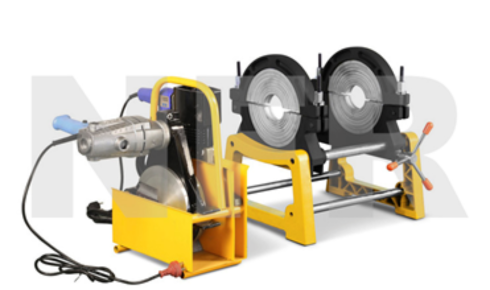
    Качественный сварочный аппарат для полиэтиленовых труб состоит из нескольких ключевых узлов, каждый из которых выполняет свою задачу. Центратор удерживает и центрирует трубы, торцеватель подготавливает плоскости к идеальному прилеганию, а нагревательный элемент доводит пластик до нужной кондиции. Важно обращать внимание на антипригарное покрытие нагревателя, так как любые остатки полимера на зеркале приведут к браку шва. Профессионалы ценят технику, способную работать в широком температурном диапазоне, сохраняя стабильность электроники при колебаниях напряжения в полевых условиях.

  • What Strong CRM Governance Looks Like in Modern Teams

    What Strong CRM Governance Looks Like in Modern Teams

    If you’ve ever looked at your CRM and felt a tiny wave of anxiety rise in your chest, you’re not alone. Most business owners especially in retail and service-based industries quietly admit their CRM is a bit of a mystery. It works, sort of. It collects things, sometimes. It behaves well on good days and goes rogue on others.

    The truth is, a CRM without proper governance is like a storage cupboard where everyone keeps shoving things inside: it holds everything, but no one truly knows what’s in there or how to find it.

    Governance is what turns that cupboard into a walk-in wardrobe. Structured. Categorised. Beautifully functional. A place where everything has meaning and nothing is hiding in the back with the mismatched socks.

    And in modern teams, strong CRM governance isn’t just a nice-to-have. It’s the foundation your automation, reporting, sales operations, and customer experience all sit on even if you don’t realise it yet.

    Let’s break it down in a way that feels practical and human, like we’re sitting in a quiet café somewhere in Auckland, talking through the real stuff that actually makes a difference.

    1. Governance starts with clarity: Who owns what, and why it matters

    Every CRM needs an owner. Ideally, more than one.

    When no one owns the CRM, everyone assumes someone else is dealing with it. This is how you end up with fifteen custom fields named the same thing, but with slightly different capitalisation.

    Clear ownership means:

    • Someone decides what gets added
    • Someone controls what gets changed
    • Someone regularly checks what’s broken
    • Someone makes sure everyone is using it consistently

    2. Good governance asks: Do we actually need this field

    Here’s a secret: most CRMs fail because of too many fields. Not too few.

    Every person in your team has probably added one. A small field here. A cute dropdown there. A checkbox no one remembers anymore but no one wants to delete in case it magically turns out to be important.

    Soon your CRM starts to look like the menu of a suburban takeaway shop. Pages and pages of options, none clearly organised.

    Strong CRM governance means:

    • regular review of fields
    • removing duplicates
    • deleting unused fields
    • ensuring fields have a purpose and owner
    • reducing clutter so users actually enjoy using the CRM

    When everyone knows exactly which fields matter, data stops being a burden and becomes a story you can actually read.

    3. Consistency is the heart of CRM trust

    Here’s the thing about data. If it’s inconsistent, it’s basically lying to you.

    One team writes Christchurch while another writes Chch. One person saves emails in all caps because they’re passionate. Another adds full stops in phone numbers. Someone else uses emojis because they think it’s fun.

    Strong governance means setting standards:

    • how names are formatted
    • how addresses are written
    • which fields are mandatory
    • which picklist options exist
    • what the rules are around contacts, leads, deals, or tickets

    These small details prevent hours of confusion later.

    A CRM is only as good as the habits of the people using it. And habits only form when the rules are clear.

    4. Governance means saying no to unnecessary automation

    Automation is powerful. It feels like magic. But magic used recklessly becomes chaos.

    A modern CRM can automate almost anything, which is both a blessing and a trap. Teams often automate too early or too enthusiastically. Buttons get added. Triggers fire in the background. Alerts pop up at strange times, leaving staff wondering what on earth they did to deserve this.

    Strong CRM governance means:

    • mapping workflows before automating
    • identifying which tasks truly need automation
    • limiting the number of automation tools used
    • documenting every automation so it doesn’t become a mystery

    A simple rule:
    If you can’t explain the automation quickly, it’s probably too complicated.

    5. Governance protects your business from data disasters

    Data hygiene sounds like something you’d learn in a corporate training video from the early 2000s. But it’s a living part of CRM governance.

    Good hygiene means:

    • removing inactive contacts
    • merging duplicates
    • checking for invalid emails
    • reviewing bounced or unreachable customers
    • cleaning up old workflows and nurture sequences

    Think of it like brushing your teeth. It’s small, routine, and not glamorous, but when you ignore it, things get painful very quickly.

    Data hygiene is where trust is built. When your data is clean, your decisions feel sharper.

    6. Your CRM rules should evolve as your business evolves

    Your CRM shouldn’t stay the same year after year. Your customers don’t. Your team doesn’t. Your product or service doesn’t.

    Good governance means regular reviews.

    Ask yourself:

    • Are we capturing the right information
    • Has our process changed
    • Are there fields we never use anymore
    • Is the sales or service journey the same as last year
    • Is our reporting still relevant

    Without regular updates, a CRM becomes outdated silently. Then one day, you notice your dashboards aren’t telling the truth anymore.

    Governance protects you from that silent drift.

    7. Strong CRM governance brings everyone into the same story

    A CRM is not a software tool. It’s a storytelling tool. It tells the story of every customer, every journey, every conversation, and every opportunity.

    When governance is strong:

    • Teams talk the same language
    • Everyone understands the customer journey
    • Reporting becomes predictable
    • Sales, marketing, and service stop tripping over each other

    And here’s a lovely side effect: team morale improves. When your CRM behaves predictably, so does your workflow. People stop guessing and start leading.

    Some businesses work with external support like zoho consultancy or get advice from zoho one partners to help them shape these governance structures, and that’s totally fine. Sometimes a fresh pair of eyes helps you see what your team is too close to notice.

    8. Governance is built on training, not assumptions

    You can’t expect great CRM usage if half the team was trained in a hallway chat and the other half watched a three-year-old video recorded by someone who doesn’t even work there anymore.

    Training should be:

    • simple
    • consistent
    • documented
    • repeatable

    And ideally, delivered the same way every time a new person joins.

    People don’t misuse CRMs because they’re lazy. They misuse them because no one ever told them how the data should be used.

    Good governance teaches people how to care for the system that cares for your business.

    Conclusion: CRM governance is not about control. It’s about confidence.

    Strong CRM governance gives you something most business owners crave: clarity. Clarity about your customers. Clarity about your pipeline. Clarity about your team.

    It transforms your CRM from a digital filing cabinet into a living system that grows with your business.

    The whole point of governance is not to create rules for the sake of rules. It’s to empower your team, simplify your processes, and make your life easier.

    And if you start small, review regularly, and bring your people along for the ride, your CRM will stop feeling like a mysterious machine and start feeling like a trusted ally.

    Because in modern teams, good governance isn’t rigid. It’s adaptive. It’s human. And it’s the foundation of a business that’s built to last.

  • Двускатные прямостенные ангары – выбор для складов и лёгкого производства

    Двускатные прямостенные ангары – выбор для складов и лёгкого производства

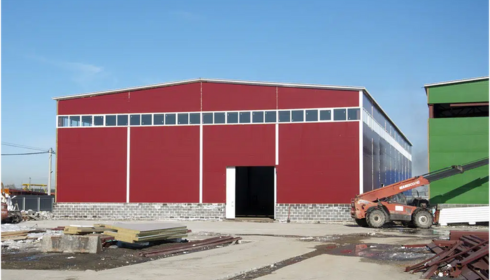
    Когда требуется корпус с ровными стенами и предсказуемой геометрией под стеллажи, паллеты или технологические линии, на первый план выходят решения с вертикальной стеной и классической крышей. Во втором предложении уместно назвать предмет разговора: двускатные прямостенные ангары дают тот самый «кубический» объём, с которым удобно работать погрузчикам, логистам и монтажникам инженерии.

    Где и почему это работает

    Такие корпуса широко применяются на складах штучной продукции, в логистических хабах, на участках мелкосерийного производства, в сервисных зонах и холодных/тёплых бокcах для техники. Прямая стена позволяет ставить стеллаж у периметра без «мертвых» клиньев, а двускатная кровля решает вопрос водоотвода и снеговой нагрузки в привычной для проектировщика логике. В отличие от арок, габарит у стены сохраняется по всей высоте, проще вести кабельные трассы, вентиляцию, установить краны-укосины, приточные агрегаты, навесить светильники в ровные линейки и не бороться с изменяющимся зазором к ограждениям.

    Конструктив и оболочка

    Каркас чаще всего выполняют на болтовых соединениях из колонн и ригелей, с прогонами под кровлю и стены. Сечение подбирают по расчётам: пролёт, высота, ветровая/снеговая зона, карта нагрузок от инженерии и мостовых систем. Обшивка — профлист для холодных решений или сэндвич-панели, если требуются температура и акустика.

    Прямостенная схема удобна тем, что узлы примыкания дверей, ворот и оконных блоков формируются «в лоб»: меньше доборов, ровнее прижим, ниже риск продуваний и конденсата при грамотной паро- и гидроизоляции.

    Фундамент и геометрия

    Даже «лёгкий» ангар требует базы. Для холодных корпусов работают ленточные и стаканные фундаменты; для тёплых — индивидуальные под колонны с ростверком. Важна геодезия: диагонали, отметки, оси, положение закладных под анкерные группы. Прямые стены особенно чувствительны к перекосам: любой «уход» базы потом проявляется в дверных проёмах, раскрой панелей идёт «на подрез», а кровля начинает ловить локальные мешки снега.

    Инженерия и планировка

    Основной плюс прямой стены — свобода навешивания. Воздуховоды, кабельные лотки, газовые и пенные линии пожаротушения можно вести вдоль периметра без сложных кронштейнов. На кровле — привычная карта водостоков, а в тёплых объектах — понятные узлы прохода через ограждения. Если нужен мостовой кран или подвесная тельферная линия, конструкция ригелей и колонн заранее рассчитывается на такие нагрузки, а высота до низа ферм остаётся постоянной по всей ширине пролёта.

    Когда оправдано изготовление под заказ

    Типовой «коробки» хватает не всегда. Смещённые ворота, нестандартные высоты стеллажей, док-станции, температурные зоны, специфическая акустика — всё это проще учесть до запуска металла в работу. Производство под заказ позволяет:

    • подстроить шаг колонн под шаг стеллажей и габарит техники;
    • заложить проёмы под конкретные ворота (секционные, откатные, скоростные ПВХ);
    • предусмотреть консолидированные закладные под инженерные подвесы;
    • подобрать толщины панелей по теплотехнике с минимальными «мостиками холода»;
    • согласовать цвета, текстуры и класс огнестойкости оболочки.

    Как идёт производство и почему важно ТЗ

    Путь прям straightforward: исходные данные → расчёты → КМ/КМД → закупка металла → механическая обработка → сборка узлов → защитные покрытия → комплектация и отгрузка. Чтобы производство не буксовало, в ТЗ фиксируют: пролёт и длину, высоту до низа несущих элементов, ветровую/снеговую зоны, тип фундамента и геодезию, требуемую температуру (если тёплый корпус), схему ворот и док-станций, привязки инженерии, требования к огнестойкости, акустике и цветам. Чем точнее вводные, тем меньше «ручной подгонки» на площадке и тем стабильнее календарь.

    Кровля и стены: детали, которые не видны на рендерах

    Двускатная крыша — не только про уклон. Важны свесы, система снегозадержания, организованный водоотвод, узлы примыкания к фонарям и вентшахтам, пролёты между опорами прогонов и шаг крепежа кровельного настила. По стенам — терморазрывы в местах, где к металлу примыкают панели, правильные саморезы по металлу с шайбами, ровная линия горизонталей и вертикалей, чтобы не «играли» замки панелей. Наконец, уплотнения и пароизоляция — это не расходка «по остаткам», а часть расчётной схемы, иначе получите конденсат в первых же морозы.

    Покрытия и крепёж: коррозия не прощает компромиссов

    Для несущей стали — горячее цинкование или система ЛКМ с подготовкой поверхности (пескоструй, грунт, финиш). В прибрежной и «солёной» среде предпочтительнее цинкование, в спокойной — качественная многослойная окраска с регламентом осмотров. Метизы — оцинкованные; при сочетании нержавеющего крепежа и углеродистой стали закладывают изоляцию, чтобы не запускать гальванические пары. Узлы резки и кромки защищают сразу — именно там появляются первые очаги коррозии.

    Монтаж: три шага к спокойной сдаче

    1. Приёмка фундаментов и геодезии: оси, диагонали, отметки, закладные.
    2. Сборка и выверка каркаса: болтовые соединения по моменту затяжки, раскосы, контроль вертикальности колонн и прямолинейности ригелей.
    3. Оболочка и доборы: стены, кровля, водосток, герметизация, воротные группы, ввод инженерии, испытания и исполнительная документация.

    Любая «экономия» на пункте №1 или №2 возвращается подрезками, перекосами и срывами сроков при сдаче.

    Экономика и сроки

    Прямостенная схема облегчает раскрой и логистику панелей, ускоряет установку ворот и инженерии, а значит, снижает непроизводительные часы на площадке. На календарь влияют габариты, насыщенность проектных узлов, выбранная система покрытия, сезонность и поставки панелей/ворот. При стабильных вводных двускатный корпус можно пройти за считанные недели цеха плюс монтаж, оставив буфер под погодные окна и пусконаладку.

    Типовые ошибки и как их не допустить

    — Отсутствие привязок под стеллажи: в итоге колонна «вышла» в проход.
    — Недооценка снеговой нагрузки и узлов снегозадержания: локальные мешки и протечки по весне.
    — Слабая пароизоляция тёплой оболочки: конденсат, плесень, ремонт уже в первый сезон.
    — Непродуманные воротные группы: неправильно выбран тип под интенсивность и климат — обмерзание и застои.
    — Игнорирование дренажа участка: лужи у ворот, размыв основания, ускоренный износ пандусов.

    Чек-лист для заявки

    • Назначение (холодный/тёплый), пролёт, длина, высота до низа несущих элементов.
    • Снег/ветер, фундамент и геодезия, координаты закладных.
    • Ворота, калитки, док-левеллеры, пандусы, температурные зоны.
    • Оболочка: профлист или панели, толщина/класс огнестойкости, акустика.
    • Инженерия: подвесы, трассы, точки ввода, требуемые нагрузки на элементы каркаса.
    • Покрытия металла, цвета, требования к коррозионной стойкости.
    • Комплект выходных документов: КМ/КМД, паспорта, протоколы, исполнительная.

    По сути, двускатные прямостенные ангары — это «рабочая лошадка» для складов и производственных площадок, где каждая полка и каждый проезд имеют значение. Ровная стенка экономит метры у периметра, двускатная кровля упрощает расчёты и обслуживание, а изготовление под заказ превращает стандартный короб в корпус, точный под вашу логику процессов. При грамотном проекте, аккуратном производстве и дисциплине монтажа такой ангар быстро окупается и без сюрпризов проходит приёмку.

  • The Key Differences Between SME IPOs and Mainboard IPOs Explained

    The Key Differences Between SME IPOs and Mainboard IPOs Explained

    Navigating the world of initial public offerings (IPOs) can be complex, especially when distinguishing between SME and Mainboard IPOs. In this article, we break down the key differences, helping investors make informed decisions in the evolving landscape of investment platforms like HDFC SKY.

    Definition of SME IPOs and Mainboard IPOs

    Definition of SME IPOs: Small and Medium Enterprises (SME) Initial Public Offerings (IPOs) refer to the process through which smaller companies raise capital by offering their shares to the public for the first time. Typically, these enterprises have a net worth or revenue that falls below certain thresholds defined by regulatory bodies, such as the Securities and Exchange Board of India (SEBI). SME IPOs are designed to provide smaller companies with access to the equity markets, allowing them to raise funds for expansion, operational enhancements, or debt repayment. These offerings are usually listed on specialized exchanges, such as the SME Exchange in India, which cater specifically to the needs of smaller businesses. The investment in SME IPOs can be attractive to investors seeking high-growth potential, albeit with a higher risk profile compared to larger, established firms.

    Definition of Mainboard IPOs: Mainboard IPOs pertain to the offerings made by larger, well-established companies that seek to raise capital through the public equity markets. These firms are typically characterized by their significant market capitalization, established business models, and proven track records of profitability. Mainboard IPOs are listed on major stock exchanges, such as the Bombay Stock Exchange (BSE) or the National Stock Exchange (NSE) in India, which attract a broader base of institutional and retail investors. The process of launching a Mainboard IPO involves rigorous regulatory scrutiny and compliance with extensive disclosure requirements, ensuring transparency for potential investors. The primary objective of these IPOs is to raise substantial capital for purposes such as business expansion, mergers and acquisitions, or paying off existing debt, making them a pivotal aspect of corporate finance for larger companies.

    Upcoming SME IPO launches cater to smaller and medium enterprises seeking to leverage the stock market for capital growth, distinct from Mainboard IPOs. While these SMEs may not match the scale of their larger counterparts, they often present unique growth opportunities for investors, reflecting niche markets and innovative business models. Navigating smaller exchanges, such as the SME platforms of BSE and NSE, these IPOs must adhere to adapted regulatory requirements aimed at maintaining high transparency standards. Investors keen on diversification often find these offerings attractive for their potential high returns paired with manageable risk factors.

    Eligibility Criteria for SME and Mainboard Listings

    When considering eligibility for SME (Small and Medium Enterprises) listings, companies must meet specific criteria set by stock exchanges like the NSE or BSE. Typically, these criteria include a minimum net tangible assets requirement, which usually is around ₹1 crore, and a minimum post-issue paid-up equity capital of ₹1 crore as well. Additionally, the company should not have any accumulated losses and should demonstrate a clear profit record for at least two years before the listing application. The company must also be registered in India and comply with the Companies Act, 2013. Furthermore, the enterprise needs to maintain a minimum public shareholding post-issue, typically around 25%, to ensure adequate liquidity in the market.

    In contrast, the eligibility criteria for Mainboard listings are more stringent, reflecting the higher expectations for larger companies. For instance, the minimum net worth requirement is often set at ₹100 crore, and the company must have a minimum profit of ₹15 crore in the preceding three years, including a minimum of ₹5 crore in at least one of those years. Additionally, the public shareholding requirement is generally higher, around 10% for companies with a post-issue capital of above ₹400 crore. The company must also demonstrate a strong operational history and comply with corporate governance standards. These rigorous criteria ensure that only financially sound and operationally stable companies can access the Mainboard, providing greater protection for investors.

    Regulatory Framework and Compliance Requirements

    The regulatory framework governing HDFC SKY, as an investment platform operated by HDFC Bank’s broking arm, is primarily dictated by the Securities and Exchange Board of India (SEBI) and the Reserve Bank of India (RBI). SEBI outlines comprehensive guidelines concerning the registration, operation, and compliance of brokerage firms, ensuring investor protection and market integrity. HDFC SKY must adhere to stringent Know Your Customer (KYC) norms, ensuring that all clients undergo identity verification and provide necessary documentation before trading. Additionally, the platform is obligated to maintain transparency in its operations, including clear communication regarding fees, charges, and the risks associated with various investment products. Compliance with these regulations is crucial not only for the platform’s legal operation but also for fostering user trust.

    What is GMP in IPO plays a crucial role in offering insights into the grey market premium, helping investors make informed decisions about potential IPO investments. Beyond understanding the logistics of IPO pricing, HDFC SKY ensures that all parties involved meet the expectations set by regulatory requirements. This involves maintaining a robust compliance program and regularly updating practices to align with SEBI and RBI directives. Monitoring ongoing transactions meticulously also helps prevent any discrepancies or fraudulent activities, further solidifying the platform’s dedication to client security and compliance integrity, thereby enhancing customer confidence and trust. 

    Moreover, HDFC SKY is required to adhere to specific compliance requirements that encompass risk management protocols and regular reporting to regulatory bodies. These include maintaining adequate capital adequacy ratios and ensuring proper segregation of client funds from the company’s operational capital. The platform must also implement robust cybersecurity measures to protect user data and financial transactions. Regular audits and assessments are mandated to ensure adherence to these regulatory guidelines, and any non-compliance can result in penalties or revocation of licenses. By aligning its operations with these regulatory standards, HDFC SKY enhances its credibility and positions itself as a reliable choice for investors looking for a comprehensive investment solution.

    Size and Scale of Offerings in SME vs. Mainboard IPOs

    The size and scale of offerings in Small and Medium Enterprises (SME) IPOs compared to Mainboard IPOs reflect distinct characteristics that cater to different investor segments and market dynamics. SME IPOs typically feature lower capital requirements, with offerings ranging from ₹1 crore to ₹25 crore, making them accessible for smaller companies seeking to raise funds for growth. These IPOs often attract retail investors looking for high growth potential in emerging businesses. In contrast, Mainboard IPOs are significantly larger, often exceeding ₹100 crore, and include well-established companies. These offerings are subject to rigorous regulatory scrutiny and tend to attract institutional investors, providing a more stable investment profile. The larger scale of Mainboard IPOs allows for greater visibility in the market, which can lead to increased investor confidence and liquidity post-listing.

    In the context of HDFC SKY, the investment platform’s offerings can accommodate both SME and Mainboard IPOs, enabling investors to diversify their portfolios. With its user-friendly app, HDFC SKY facilitates access to various IPOs, allowing investors to participate in SME offerings that may provide substantial returns, albeit with higher risk, alongside more stable Mainboard IPOs. The platform’s zero account-opening charges and flat ₹20 brokerage per trade enhance its appeal, particularly for retail investors who may be cautious about transaction costs. Additionally, HDFC SKY’s advanced analytical tools, such as option-chain analysis, empower investors to make informed decisions about their IPO investments, whether they choose to engage with smaller, high-growth SMEs or established firms on the Mainboard. This integration of diverse offerings within one platform underscores a strategic approach to investment that caters to varying risk appetites and investment goals.

    Alok Industries share price is a valuable indicator for investors leveraging HDFC SKY’s comprehensive platform to monitor and evaluate market trends. This feature lets investors keep a close watch on specific stocks, enhancing their decision-making process. By understanding price movements and historical trends, investors can strategically position themselves, optimizing their entry and exit timings. HDFC SKY’s seamless integration of real-time data and analytical tools ensures that investors have access to crucial information, enabling a proactive approach to managing their investment portfolios effectively while minimizing potential risks.

    Investor Base and Market Perception

    Investor base and market perception are critical factors influencing the success of HDFC SKY as an all-in-one investment platform. HDFC Bank’s established reputation in the financial sector lends significant credibility to the platform, attracting a diverse range of investors from novice to experienced traders. The platform’s zero account-opening charges and flat ₹20 brokerage per trade appeal particularly to cost-conscious investors, making it an attractive option for retail traders seeking to maximize their returns. Additionally, the inclusion of advanced tools such as option-chain analysis and margin trading enhances the trading experience, enabling users to make informed decisions. As more investors become aware of the platform’s comprehensive offerings, its user base is likely to grow, further solidifying its position in the competitive investment landscape.

    Market perception plays a pivotal role in shaping HDFC SKY’s trajectory in the investment ecosystem. The platform’s commitment to transparency, coupled with its user-friendly interface and a wide array of investment products—including stocks, mutual funds, IPOs, and commodities—positions it as a versatile choice for various investor profiles. Positive reviews and endorsements from existing users can significantly enhance market perception, driving engagement and attracting new customers. Furthermore, the backing of HDFC Bank assures investors of the platform’s reliability and security, which is paramount in an era where trust is a critical concern for online trading. As HDFC SKY continues to innovate and adapt to market trends, its ability to maintain a favorable perception will be essential for sustaining investor interest and expanding its market share.

    Cost of IPO Process: SME vs. Mainboard

    The cost of the Initial Public Offering (IPO) process varies significantly between Small and Medium Enterprises (SMEs) and companies listed on the Mainboard. For SMEs, the financial outlay typically includes lower underwriting fees, which can range from 2% to 5% of the total issue size, reflecting their smaller scale. Additionally, SMEs face reduced regulatory compliance costs and can benefit from simplified disclosure requirements. However, the overall cost may be amplified by the need for extensive marketing to attract investors, as public awareness of SMEs is generally lower. This can lead to additional expenses associated with promotional activities and investor roadshows, which are crucial for successfully garnering interest in the offering.

    In contrast, the IPO process for Mainboard companies involves more substantial costs due to higher underwriting fees, which often range from 3% to 7%. These firms must adhere to stricter regulatory requirements, necessitating comprehensive financial disclosures and audits, which can further increase costs. Additionally, Mainboard IPOs tend to require robust investor relations strategies and extensive marketing efforts to reach a wider audience, adding to the overall expense. Despite these higher initial costs, Mainboard listings often provide greater liquidity, access to a larger investor base, and potentially higher valuations, making them an attractive option for larger companies seeking to raise capital.

    Demat trading app innovations have further streamlined the process of participating in IPOs, making it easier for investors to manage their portfolios and trade shares digitally. These apps offer a user-friendly interface, real-time market insights, and seamless integration with existing brokerage services, thereby appealing to both experienced and novice investors. As a result, they play a crucial role in enhancing market accessibility and engagement, thereby providing companies with better exposure and potential investment as they navigate the complexities of Mainboard listings. The enhanced visibility and reach fostered by these digital tools can lead to more successful IPO outcomes.

    Liquidity and Trading Volume Differences

    Liquidity in financial markets refers to the ease with which assets can be quickly bought or sold without significantly affecting their price. In the context of HDFC SKY, the platform facilitates trading in a diverse range of assets such as stocks, mutual funds, and commodities. Higher liquidity is often observed in more actively traded stocks and large-cap mutual funds, where a significant number of buyers and sellers exist. This liquidity is crucial for investors who may want to enter or exit positions swiftly. For instance, a highly liquid stock allows traders to execute large transactions without notable price fluctuations, thus reducing slippage. Conversely, less liquid assets might experience more significant price changes with large trades, potentially impacting the overall investment strategy.

    Trading volume is a critical metric that indicates the total quantity of shares or contracts traded for a specific asset over a defined period. HDFC SKY provides users with access to real-time data on trading volumes, which can serve as an indicator of market activity and investor interest. High trading volume generally correlates with increased liquidity, as it reflects robust participation from buyers and sellers. For example, stocks with consistent high trading volumes tend to have tighter bid-ask spreads, making them more attractive for traders looking to minimize transaction costs. Additionally, monitoring trading volume can help investors identify trends and reversals in market sentiment, enabling more informed decision-making. HDFC SKY’s advanced tools, including option-chain analysis, empower users to analyze these dynamics effectively, enhancing their trading strategies in various market conditions.

    Post-IPO Performance and Growth Potential

    Post-IPO performance is a critical metric for investors considering HDFC SKY, especially given its comprehensive investment offerings. Following its initial public offering, performance can be assessed through various indicators such as stock price volatility, trading volume, and market sentiment. HDFC SKY’s strategic focus on being an all-in-one investment platform positions it well for sustained interest from a diverse investor base. The zero account-opening charges and competitively low ₹20 brokerage per trade provide a compelling financial incentive for retail investors, potentially driving higher trading volumes. Additionally, advanced features like option-chain analysis and margin trading appeal to more sophisticated investors, enhancing user engagement and retention. Monitoring these performance metrics post-IPO will be essential for assessing its market viability and competitive edge.

    The growth potential of HDFC SKY hinges on its ability to adapt to changing market dynamics and investor preferences. As the demand for digital investment solutions continues to rise, HDFC SKY’s integrated approach could capture significant market share in the retail trading segment. The platform’s diverse offerings, including stocks, mutual funds, IPOs, and commodities, create a one-stop solution that simplifies the investment process for users. Moreover, as financial literacy increases among younger demographics, HDFC SKY could leverage its user-friendly interface and advanced analytical tools to attract tech-savvy investors. By continuously innovating and expanding its service offerings, HDFC SKY can position itself as a leading player in the competitive investment landscape, ensuring robust growth in both user acquisition and overall market presence.

    Case Studies: Successful SME and Mainboard IPOs

    Case Study: HDFC SKY’s Successful SME IPO
    HDFC SKY, an innovative investment platform launched by HDFC Bank’s broking arm, has emerged as a successful case study in the SME IPO space. By leveraging its parent bank’s reputation and extensive customer base, HDFC SKY attracted significant investor interest during its initial public offering. Key to its success was the platform’s comprehensive service offering, which includes stocks, mutual funds, IPOs, and commodities all accessible through a single app. With zero account-opening charges and a competitive flat ₹20 brokerage per trade, HDFC SKY positioned itself as an attractive option for both novice and seasoned investors. The platform’s user-friendly interface and advanced features, such as option-chain analysis and margin trading, further contributed to its appeal, leading to oversubscription during the IPO process and a strong post-IPO performance.

    Case Study: Mainboard IPO Success of HDFC SKY
    HDFC SKY’s entry into the mainboard IPO segment has also been noteworthy, showcasing how a well-structured business model can facilitate a smooth transition from SME to a larger market presence. With its robust technology infrastructure and a focus on customer-centric features, HDFC SKY successfully differentiated itself from competitors. The IPO was strategically timed to coincide with growing investor interest in digital investment platforms, capitalizing on the trend of increasing retail participation in equities. The comprehensive suite of services, combined with a transparent fee structure, resonated well with the market, resulting in a strong demand from institutional and retail investors alike. As a testament to its successful IPO, HDFC SKY’s stock saw a favorable listing, reflecting investor confidence in its sustainable growth potential and solid business fundamentals.

    Future Trends in SME and Mainboard IPO Markets

    The future of SME (Small and Medium Enterprises) and Mainboard IPO (Initial Public Offering) markets is poised for significant evolution, driven by technological advancements and regulatory support. With platforms like HDFC SKY facilitating easier access to capital, SMEs are expected to leverage IPOs more aggressively to fund growth initiatives. The digitization of the IPO process is streamlining documentation and compliance, making it easier for smaller firms to navigate the complexities of going public. Furthermore, more investors are looking to diversify their portfolios with SME stocks due to the potential for high returns, which can lead to increased participation in these markets. The regulatory landscape is also becoming more favorable, with initiatives aimed at reducing the barriers for SMEs, enhancing transparency, and promoting investor education.

    In the Mainboard IPO segment, trends indicate a shift towards increased retail participation, with platforms like HDFC SKY bridging the gap between institutional investors and everyday retail investors. As technology democratizes access to market information and trading tools, retail investors are becoming more informed and confident in their investment decisions. This trend is supported by the rise of mobile trading applications, which allow users to invest in IPOs conveniently. Additionally, there is a growing emphasis on ESG (Environmental, Social, and Governance) criteria, prompting companies to align their IPO strategies with sustainable practices to attract socially responsible investors. As market dynamics continue to evolve, companies looking to go public will need to adapt their strategies to meet the demands of a changing investor landscape, ensuring they are appealing to a broader audience while maintaining compliance with regulatory frameworks.

  • MTF Trading Explained – Margin Trading Facility Guide

    MTF Trading Explained – Margin Trading Facility Guide

    MTF Trading (Margin Trading Facility) in the Indian share market has acquired incentives for those investors seeking flexibility in capital deployment. It allows traders to buy shares by paying only a sliver of the total transaction value, the warranty of the rest being financed by the broker. While it sprinkles opportunities to bring in better returns, dealing with margin trading comes with more inherent risks. Hence, investors need to have an understanding of the mechanics of the margin trading structure. 

    What Is a Margin Trading Facility (MTF)?

    Margin Trading Facility (MTF) is a service provided by brokers to facilitate the purchase of shares by an investor who pays only a fraction of the total investment amount while the broker finances the rest for a fixed tenure, generally ranging from a few days to a few months.

    Key points of MTF include:

    Partial Funding – Investors contribute a margin (down payment), while the broker provides leverage.

    Tenure – MTF is usually offered for a short period, after which positions must be squared off or extended with interest.

    Interest Charges – The broker charges interest on the funded portion, which is important to factor into overall returns.

    This facility allows investors to amplify their market exposure without committing the entire capital upfront.

    How MTF Works

    Consider the case of an investor who wants to buy shares worth ₹1,00,000 but is prepared to pay only ₹50,000. Using MTF, the broker finances the remaining ₹50,000. The shares will be held in the Demat Account of the investor, who shall pay interest over the entire tenure of the facility on the funded part.

    At the end of the period, the investor can:

    a) Sell the shares and repay the broker.

    b) Extend the margin facility by paying additional interest.

    c) Use profits on the sale to cover the borrowed amount and interest.

    While MTF provides leverage, it can also magnify losses, making risk management especially important.

    Benefits of MTF Trading

    Leverage for Increased Exposure: Investors can buy more shares than their capital permits.

    Capital Efficiency: Funds can be allocated to several trades or instruments.

    Integration with Trading Platforms: MTF options are now available on many Trading Platforms and Options Trading Apps.

    Portfolio Flexibility: Investors can experiment with strategies involving equities, derivatives, and IPO shares without making a full upfront payment.

    While MTF improves returns in certain ways, however, investors ought to be careful that it is not used to over-leverage-raising the risk unnecessarily.

    Risks Associated With MTF

    Market Volatility – Leverage magnifies gains and losses; hence a small price decline could result in large losses.

    Interest Costs – The interest charged on the funded amount decreases net profits.

    Margin Calls – If the share value falls below a certain threshold, brokers may ask for further capital.

    Forced Liquidation – The broker may forcibly liquidate a position if he did not receive the margin call.

    Having a clear knowledge of the risks together with a Margin Trading Facility Guide will assist the investors in ensuring they arrive at knowledgeable decisions.

    Using MTF with Options Trading

    For traders using an Options Trading App, MTF can create liquidity by:

    Buying Underlying Shares – Some options strategies require the holding of underlying shares, which can be financed through margin.

    Hedging Strategies – MTF allows traders to deploy capital across multiple positions for hedging.

    Leverage for Advanced Trades – Traders can take larger positions in options spreads or combinations without full upfront cash.

    Strategies should be exercised at their own risks since potential profits are greater with their risks.

    Zero Brokerage Trading Apps and MTF

    Integrated MTF options have become commonplace in most Zero Brokerage Trading Apps in India. This combination makes for one cost-effective option for active trading with leveraged MTF. Important considerations are:

    Transparent interest rates and margin policies

    Real-time tracking of funded positions in the app

    Automated alerts for margin calls and repayments

    This way, the integration offers the ability for investors to run MTF trades together with regular trades without any hidden costs.

    Steps to Use MTF Trading

    Open a Demat Account Online – Mandatory for all trading.

    Select Eligible Shares – Not all the shares qualify for MTF, check the app for the approved list.

    Apply for Margin – Enter the investment amount and margin contribution.

    Track Your Position – Tracking of shares, interest accrued, and market price changes is done via the trading platform.

    Close or Extend the Facility – Sell the shares or extend the tenure by paying interest.

    In these steps, investors can take full advantage of MTF with controlled risks.

    Finishing Up

    MTF Trading (Margin Trading Facility) provides an outlet for investors to improve capital efficiency through more exposure to the Indian share market. Integrated with Trading Platforms, Options Trading Apps, and Zero Brokerage Trading Apps in India, the MTF offers flexibility, research tools, and real-time tracking.

    Clearly, leverage increases the potential for Higher Returns, but it also introduces risk. A novice should be well prepared to read a Margin Trading Facility Guide, use small positions initially, and implement risk management techniques. Looked at in conjunction with a Demat Account and integrated trading tools, Mtf can be an organized and tactical tool in an investor’s portfolio.