Category: Business

  • The role of a Fund Manager in mutual funds

    The role of a Fund Manager in mutual funds

    A Fund Manager plays a pivotal role in the success of mutual funds, making informed investment decisions to maximize returns for investors. With HDFC SKY, an all-in-one investment platform by HDFC Securities, investors can access a range of investment options like stocks, mutual funds, ETFs, and more, supported by expert research and advanced tools.

    Introduction to Fund Managers

    Fund managers play a crucial role in the financial industry by managing investment portfolios on behalf of clients. HDFC SKY, with its all-in-one investment platform, provides a convenient and comprehensive solution for individuals seeking professional management of their investments. The platform’s offering of free Demat account opening and zero AMC for the first year makes it attractive for investors looking to minimize initial costs. With a flat ₹20 brokerage per trade, HDFC SKY ensures transparency and cost-effectiveness for users across various investment instruments, including stocks, mutual funds, ETFs, IPOs, F&O, commodities, and currency. The inclusion of margin trading at 1% p.m. further enhances the flexibility and potential returns for investors, while the availability of expert research and advanced charting tools empowers users with valuable insights and analysis to make informed investment decisions.

    Fund Manager expertise is essential in navigating the complex landscape of financial markets. Leveraging years of experience and a deep understanding of market dynamics, these professionals tailor strategies that align with individual investment goals and risk appetites. HDFC SKY’s platform not only offers personalized investment management but also integrates cutting-edge analytics and real-time data to optimize portfolio performance. By choosing HDFC SKY, investors gain access to a robust and adaptive investment solution that proactively manages assets for optimal growth, ensuring that investment decisions are both well-informed and strategically sound.

    Fund managers on the HDFC SKY platform leverage their expertise and market knowledge to help clients achieve their financial goals. By providing access to a diverse range of investment options, fund managers can tailor portfolios to suit individual risk profiles and investment objectives. The platform’s seamless integration of trading across multiple asset classes ensures that investors have the flexibility to diversify their holdings and optimize their returns. With the support of expert research, investors can benefit from informed recommendations and market analysis, enabling them to stay ahead of market trends and make strategic investment decisions. The inclusion of advanced charting tools further empowers investors to conduct technical analysis and track performance, enhancing their ability to monitor and manage their investments effectively.

    Responsibilities of a Fund Manager

    As a fund manager at HDFC SKY, there are several key responsibilities that come with the role. One of the primary duties is to manage the investment portfolio on behalf of clients in a manner that aligns with their financial goals and risk tolerance. This involves conducting thorough research and analysis to identify suitable investment opportunities across various asset classes such as stocks, mutual funds, ETFs, commodities, and currencies. The fund manager must stay updated on market trends, economic indicators, and company performance to make informed decisions that maximize returns while managing risks effectively.

    Another crucial responsibility of a fund manager is to communicate effectively with clients, providing them with regular updates on their investments, performance reports, and recommendations for any necessary adjustments to their portfolios. This requires strong interpersonal skills, the ability to explain complex financial concepts in a clear and understandable manner, and a commitment to acting in the best interests of clients. Fund managers must also adhere to regulatory guidelines and ethical standards to ensure transparency, accountability, and trust in their professional relationships with clients. Overall, the role of a fund manager at HDFC SKY involves a blend of financial expertise, strategic decision-making, and client-centric focus to achieve successful investment outcomes.

    Investment Strategies Used by Fund Managers

    Fund managers employ various investment strategies to achieve optimal returns for their clients. One commonly used strategy is diversification, where fund managers spread investments across different asset classes to reduce risk. This approach helps in managing market volatility and protecting the portfolio from significant losses. Fund managers also use market timing strategies, where they analyze market trends and economic indicators to make informed decisions on when to buy or sell securities. By timing the market effectively, fund managers aim to capitalize on opportunities and maximize returns for investors. Additionally, fund managers may use a value investing strategy, focusing on undervalued securities with strong fundamentals. This strategy involves identifying stocks or assets that are trading below their intrinsic value, offering potential for long-term growth and capital appreciation.

    Mutual Fund Returns Calculator is an essential tool for investors looking to evaluate the effectiveness of these strategies employed by fund managers. By inputting investment details, investors can estimate potential returns and adjust their strategies accordingly. Additionally, fund managers often incorporate a growth investing approach, targeting companies with above-average growth potential. This tactic focuses on businesses expected to expand significantly, which can drive substantial portfolio growth over time. Moreover, incorporating risk management techniques like hedging allows fund managers to safeguard portfolios against adverse market events, ensuring investors enjoy stable and sustainable returns.

    Another key investment strategy used by fund managers is active portfolio management. This involves making frequent adjustments to the portfolio based on market conditions, economic outlook, and specific investment goals. Fund managers actively monitor and rebalance the portfolio to optimize returns and mitigate risks. They may also utilize a growth investing strategy, targeting high-growth companies with the potential for substantial returns over time. Fund managers conducting growth investing analyze company earnings, revenue growth, and market trends to identify promising investment opportunities. By focusing on companies with strong growth prospects, fund managers aim to generate significant returns for their clients. Combining these various investment strategies allows fund managers to create well-diversified portfolios tailored to meet the unique financial objectives of their clients.

    Fund Manager Selection Process

    The fund manager selection process is a critical aspect of achieving successful investment outcomes. HDFC SKY, through HDFC Securities, offers a comprehensive investment platform that empowers investors to make informed decisions regarding their choice of fund managers. The platform’s support for trading across various financial instruments, including stocks, mutual funds, ETFs, and more, allows investors to diversify their portfolios based on their risk appetite and investment goals. By providing access to expert research and advanced charting tools, HDFC SKY enables investors to evaluate the track record, investment philosophy, and performance metrics of various fund managers before making their selection.

    Investors utilizing HDFC SKY can benefit from a well-structured fund manager selection process that considers factors such as the fund manager’s experience, investment strategy, past performance, risk management practices, and alignment with the investor’s objectives. The platform’s transparent fee structure, which includes zero AMC for the first year and flat brokerage per trade, ensures cost-effective investing without compromising on quality. Additionally, HDFC SKY’s margin trading facility at 1% p.m. provides investors with the opportunity to leverage their investments strategically under the guidance of chosen fund managers. By offering a robust selection process and a range of investment options, HDFC SKY empowers investors to build a diversified and well-managed investment portfolio tailored to their financial aspirations.

    Performance Evaluation of Fund Managers

    Performance evaluation of fund managers is a crucial aspect of assessing the effectiveness of investment strategies and decision-making. Fund managers play a significant role in determining the success of a mutual fund or investment portfolio. Evaluating their performance involves analyzing various factors such as the fund’s returns compared to its benchmark index, risk-adjusted returns, consistency in performance over different market cycles, and the fund manager’s ability to meet investment objectives. HDFC SKY, with its diverse investment offerings including stocks, mutual funds, ETFs, and more, provides investors with a platform to evaluate fund managers based on their performance across different asset classes.

    HDFC SKY’s platform offers tools and resources that enable investors to conduct in-depth performance evaluation of fund managers. Investors can track the historical performance of mutual funds managed by different fund managers, compare their returns against industry benchmarks, and assess their ability to generate alpha. With features like expert research and advanced charting tools, investors can make informed decisions about fund managers based on their track record, investment style, risk management strategies, and overall performance. This comprehensive evaluation process helps investors select fund managers who align with their investment goals and risk tolerance, ultimately leading to a well-constructed and diversified investment portfolio.

    Importance of Fund Manager Experience

    The importance of fund manager experience cannot be overstated when it comes to making informed investment decisions. A seasoned fund manager brings a wealth of knowledge, expertise, and insights gained from years of navigating the complexities of the financial markets. Their ability to analyze market trends, assess risks, and identify opportunities can significantly impact the performance of the funds they manage. Experienced fund managers have weathered various market cycles, enabling them to make informed decisions even in volatile market conditions. Their track record of success and ability to adapt to changing market dynamics instills confidence in investors and can lead to better long-term returns on investments.

    In the context of HDFC SKY, having experienced fund managers overseeing the various investment options available on the platform can provide investors with a sense of security and trust. These professionals can leverage their expertise to craft well-balanced portfolios, select promising stocks, and optimize investment strategies to meet the financial goals of investors. The expert research and analysis provided by seasoned fund managers can also help investors make more informed decisions, especially in complex investment instruments like mutual funds, ETFs, and derivatives. Ultimately, the presence of experienced fund managers can add value to the investment experience, enhancing the chances of achieving desired financial outcomes.

    Risks and Challenges Faced by Fund Managers

    Fund managers face various risks and challenges in their roles of managing investment portfolios. One of the primary risks is market risk, which refers to the possibility of financial losses due to adverse movements in the market. Fluctuations in stock prices, interest rates, and overall market conditions can significantly impact the value of the assets under management. Fund managers must constantly monitor market trends, economic indicators, and geopolitical events to make informed investment decisions and mitigate market risks effectively.

    Jindal Steel Share Price fluctuations illustrate how sector-specific risks also pose significant challenges for fund managers. These risks arise from industry regulations, supply chain disruptions, or sudden changes in consumer demand that are characteristic of certain sectors. Additionally, the rise of algorithmic trading and artificial intelligence in financial markets has introduced technological risks, altering traditional market dynamics. Fund managers must adapt to technological advancements and enhance their strategies to stay competitive. Effective risk management today involves a blend of traditional expertise and cutting-edge technology to safeguard investors’ assets and achieve sustained growth.

    Another challenge for fund managers is regulatory and compliance risk. The financial industry is heavily regulated, and fund managers must adhere to a complex web of laws, regulations, and guidelines set by regulatory bodies. Failure to comply with these regulations can result in fines, legal actions, and damage to the reputation of the fund management firm. Fund managers need to stay updated on changing regulations, implement robust compliance procedures, and conduct regular audits to ensure that they are operating within the legal framework while delivering optimal returns for their clients.

    Regulatory Compliance for Fund Managers

    Regulatory compliance for fund managers is a critical aspect of the financial industry, ensuring adherence to laws, regulations, and guidelines set forth by regulatory bodies. For HDFC SKY, as a platform offering a wide range of investment options including stocks, mutual funds, ETFs, IPOs, F&O, commodities, and currency trading, regulatory compliance is paramount to maintain transparency and protect investors’ interests. Fund managers must comply with regulations related to risk management, disclosure requirements, client suitability assessments, anti-money laundering protocols, and fair trading practices to uphold the integrity of the market and safeguard investor assets.

    HDFC SKY’s adherence to regulatory compliance for fund managers not only fosters trust with investors but also demonstrates a commitment to ethical business practices. By offering features such as margin trading at a competitive rate of 1% per month, expert research, and advanced charting tools, HDFC Securities reinforces its dedication to providing a secure and compliant investment platform for its clients. Ensuring that fund managers operate within the bounds of regulatory frameworks helps to mitigate risks, prevent financial misconduct, and promote a level playing field within the investment landscape, ultimately contributing to a more robust and trustworthy financial ecosystem.

    Fund Manager Compensation Structure

    The compensation structure for fund managers typically varies based on the type of fund they manage and their performance. Fund managers may receive a base salary, which is a fixed amount paid regularly, as well as a performance-based bonus tied to the returns generated by the fund. In the case of HDFC SKY, fund managers may also receive incentives based on the growth of assets under management, as well as the overall profitability of the fund. This compensation structure is designed to align the interests of the fund manager with those of the investors, as the fund manager’s earnings are directly linked to the performance of the fund. Additionally, fund managers may also receive a share of the management fees charged to investors, providing them with a steady source of income in addition to performance-based bonuses.

    In the competitive landscape of the financial industry, fund manager compensation structures play a crucial role in attracting and retaining top talent. Offering a combination of fixed salary, performance-based bonuses, and incentives tied to fund performance helps to incentivize fund managers to achieve strong returns for investors. The compensation structure at HDFC SKY reflects the emphasis on performance and aligning the interests of fund managers with those of investors. This ensures that fund managers are motivated to make sound investment decisions that generate positive returns, thereby benefiting both the investors and the fund management company. By providing a competitive and transparent compensation structure, HDFC SKY can attract skilled and experienced fund managers who can effectively manage the various investment options available on the platform.

    MF App enhances the fund management experience by providing real-time access to portfolio performance and market insights. This digital tool empowers fund managers at HDFC SKY to make timely and informed investment decisions, further aligning with the firm’s commitment to superior returns. By leveraging technology, the app streamlines processes and enhances communication, making it easier for fund managers to respond swiftly to market changes. As a result, investors can enjoy the benefits of expertly managed funds and the potential for enhanced returns, backed by a robust digital infrastructure.

    Future Trends in Fund Management

    Future trends in fund management are leaning towards increased accessibility and convenience for investors. Platforms like HDFC SKY by HDFC Securities are leading the way by offering all-in-one investment solutions that cater to a wide range of financial instruments including stocks, mutual funds, ETFs, and more. The trend of consolidating various investment options under one platform not only simplifies the investment process but also enhances the user experience. Features such as zero AMC for the first year and flat brokerage rates per trade make investing more cost-effective and transparent for investors. Additionally, the inclusion of advanced tools such as margin trading, expert research, and sophisticated charting capabilities showcases a shift towards empowering investors with comprehensive resources to make informed decisions.

    Furthermore, the integration of technology and data analytics is expected to play a significant role in the future of fund management. With the rise of artificial intelligence and machine learning, fund managers are able to leverage data-driven insights to optimize investment strategies and improve portfolio performance. The use of automation in processes like risk analysis, portfolio rebalancing, and personalized investment recommendations is streamlining fund management operations and enhancing efficiency. As investors increasingly seek personalized and tailored investment solutions, the integration of technology will enable fund managers to deliver more customized services that align with individual financial goals and risk profiles.


  • Critical Inspection Points You Can’t Miss When Buying Used Trailers for Sale

    Critical Inspection Points You Can’t Miss When Buying Used Trailers for Sale

    Buying a used trailer feels like solving a puzzle. You want to find that perfect balance between affordability and reliability, but where do you even begin? The secret lies in knowing exactly what to look for during your inspection. 

    Think of it this way: spending an hour examining a trailer can save you hundreds or even thousands of dollars in repairs later. However, you don’t need to be a mechanic to spot the most important warning signs. With the right checklist, you can confidently evaluate any used trailer and make a smart purchase decision.

    Here are the four essential areas that deserve your closest attention.

    Check the Frame and Structure of the Trailer for Sale

    The frame serves as the strength of your trailers for sale, so this inspection deserves your full attention. Walk around the entire perimeter and look for obvious signs of damage like bent metal, cracks, or rust spots that have eaten through the steel.

    Pay special attention to the tongue area where the trailer connects to your vehicle. This section handles enormous stress during towing, and any weakness here could lead to catastrophic failure. Run your hands along the welds to check for cracks or separations.

    Examine the Suspension and Axles

    A trailer’s suspension system determines how smoothly your cargo rides down the road. Do a visual inspection of the leaf springs, looking for broken or cracked leaves. Each spring should have a gentle curve without any flat spots or sharp angles.

    Check the shackles and bushings that connect the springs to the frame. These components should move freely without excessive play or squeaking sounds. Worn bushings create a sloppy, unstable ride that gets worse over time.

    Inspect the Electrical System and Lights

    Electrical problems cause more roadside headaches than almost any other trailer issue. Start with the connector that plugs into your vehicle. The pins should be clean, straight, and free from corrosion. Green buildup around the connections signals water damage that could affect the entire system.

    Test every light function while someone operates the controls:

    • Turn signals (both left and right)
    • Brake lights
    • Running lights
    • Hazard flashers

    Don’t just check that the lights turn on. Make sure they’re bright and consistent. Dim or flickering lights often indicate wiring problems that could leave you stranded or facing traffic citations.

    Evaluate the Tires and Wheels

    Tires tell stories about how a trailer has been used and maintained. Look for even wear patterns across the tread surface. Excessive wear on one side suggests alignment problems or damaged suspension components.

    Check the sidewalls for cracks, bulges, or weather checking. These signs indicate the tires are aging and could fail without warning. Even if the tread looks good, tires older than six years should be replaced regardless of their appearance.

    The wheels deserve attention too. Steel wheels should be free from rust and dents, while aluminum wheels shouldn’t have cracks around the bolt holes. Loose or missing lug nuts are obvious red flags that suggest poor maintenance.

  • From Startup Dreams to Exit Realities: Mapping a Human-Centric Path to Business Success

    From Startup Dreams to Exit Realities: Mapping a Human-Centric Path to Business Success

    Every entrepreneur starts with a vision. It might be sketched out on a napkin over late-night coffee or whispered to a trusted friend on a long walk. That spark — raw, a bit reckless, maybe even slightly delusional — is what fuels the early stages. But somewhere down the line, when the business begins to take shape, grow legs, and move faster than expected, things get real. Fast.

    You’re no longer just the founder with a cool idea. You’re managing a team, handling operations, juggling cash flow, and wondering — “What’s next?” The truth is, very few business owners plan for that part. We’re often so focused on surviving the present that we forget to engineer a future. That’s where long-term clarity and some solid planning come into play.

    Let’s talk about that — but like humans, not spreadsheets.


    Planning for Growth Without Losing Your Mind

    Growth sounds glamorous until you’re knee-deep in hiring challenges, system overloads, and a sales pipeline that keeps changing direction. It’s messy. It’s exhilarating. It’s also… unpredictable.

    What most business owners don’t realize is that scaling isn’t just about doing more — it’s about doing smarter. You need infrastructure, people, and a mindset that’s flexible yet focused. That’s why business growth planning isn’t just a line item on a consultant’s checklist — it’s your survival kit.

    Think of it like hiking up a mountain. You wouldn’t dare go without a map, extra socks, and a weather update. The same goes for growing your business — you need forecasts, backup plans, and a strong sense of where you’re going. It’s not about predicting the future. It’s about preparing for it.


    The Part No One Talks About: Your Exit

    Here’s the thing: every business journey eventually ends — either because you sell, pass it on, or simply shut the doors. But far too many entrepreneurs treat this like a surprise twist instead of a natural chapter.

    That’s a problem.

    If you’re waiting until you’re “ready to exit” to start thinking about what that even looks like, you’re already late to the game. Getting your business into a sellable, transferrable state takes years — not months. And no, it’s not just about getting your books in order. It’s about making your company attractive without you being at the center of every decision.

    That’s why tools designed specifically for exit readiness tools can be a lifesaver. They give you a framework to assess risk, plug gaps, and build independence into your business structure. Think leadership pipelines, customer diversification, recurring revenue — all the stuff buyers look for, even if you’re still five years from selling.


    More Than Profit: Maximizing What Really Matters

    Here’s a hard truth: growing revenue doesn’t necessarily mean increasing value. Crazy, right?

    But it’s true. A company making $10M a year with shaky processes and one superstar client is way less valuable than one making $7M with recurring income, strong systems, and a scalable model. Buyers (or future stakeholders) don’t just want numbers — they want confidence.

    That’s where value optimization strategies become game-changers. It’s not about cutting corners or squeezing every last dollar. It’s about intentionally building value into the DNA of your business. That might mean investing in tech to automate repetitive tasks. It might mean renegotiating contracts. It might mean letting go of a low-margin service offering that drains your team.

    These aren’t always sexy decisions. But they’re smart ones.


    You Don’t Have to Do It Alone

    Let’s be honest: most founders aren’t trained in corporate finance, exit planning, or long-range strategic ops. And that’s okay. You’re not supposed to be an expert at everything. You just have to be willing to ask for help.

    There’s no shame in partnering with advisors, mentors, or even outsourcing key parts of your growth journey. Think of it as assembling your version of a “board of sanity.” People who’ve seen the pitfalls and the pivots. People who’ll remind you that slowing down for a bit to re-strategize isn’t failure — it’s foresight.

    And if you’re lucky, they’ll also remind you to breathe, hydrate, and occasionally shut your laptop before midnight.


    Wrapping It Up (Without the Buzzwords)

    At the end of the day, building a business isn’t about fancy dashboards or perfect plans. It’s about resilience, clarity, and heart. You’re crafting something that (hopefully) outlasts your daily hustle. That means laying foundations now that will matter later — even if “later” feels lightyears away.

  • Why Professional Electrician Services Are Essential for Safe Electrical Installation

    Why Professional Electrician Services Are Essential for Safe Electrical Installation

    Electricity powers every corner of modern life, from lights and appliances to security systems and smart devices. But behind this convenience lies a web of wiring, circuits, and panels that demand expertise. Safe electrical setup is more than just screwing in a light fixture—it’s about protecting homes, businesses, and lives. That’s where professional help becomes vital. When it comes to electrical work, cutting corners isn’t just risky—it can be life-threatening.

    The Foundation of Electrical Safety

    Every safe system begins with thoughtful planning and precise execution. Poorly installed wires or overloaded circuits may not show signs immediately, but over time, they can trigger serious problems like electrical fires or outages. That’s why trained experts are essential right from the start. They understand code compliance, voltage limits, and equipment compatibility, creating a solid foundation for all future use. This proactive approach prevents disasters and promotes efficiency.

    Precision Matters in Electrical Installation

    Electrical installation refers to the structured setup of wiring, outlets, panels, and systems within a building. It sounds technical—and it is. But it’s not just about making things work; it’s about ensuring they keep working safely. Whether it’s a new home or a commercial renovation, every wire must be in the right place, every connection tight. Even the tiniest mistake—like mixing up neutral and live wires—can lead to shocking consequences. That’s why installation should always be handled by professionals who’ve mastered the craft. A safe electrical installation isn’t luck—it’s the result of skill and exactness.

    Expertise Behind Reliable Electrician Services

    Electrician services involve licensed professionals who perform, inspect, and maintain all aspects of electrical systems. These experts do more than fix flickering lights. They bring years of training, knowledge of current regulations, and access to the right tools. When they walk into a job, they assess risks before starting work. They don’t guess—they test. From diagnosing power failures to upgrading breaker panels, their work reduces long-term hazards. Choosing reliable electrician services ensures that every element of your power supply is not just working—but working safely.

    Wiring Systems That Withstand Time

    Wiring is the nervous system of any building. Once hidden behind walls, it must stay strong for decades. But over time, wires degrade. Old homes may have aluminum wiring, which can be brittle and dangerous. Modern systems require copper wiring and insulated sheathing to withstand heat and resist corrosion. A professional understands which materials to use and where. They map out wire routes to avoid overloading, eliminate interference, and reduce fire risk. Well-installed wiring isn’t something you notice daily—but when it’s done right, you never have to.

    Grounding and Circuit Protection Are Non-Negotiable

    Surges, lightning, and unexpected faults all pose serious risks. Without grounding and proper circuit protection, these electrical surges can destroy appliances—or worse, cause injury. Ground fault circuit interrupters (GFCIs), arc fault circuit interrupters (AFCIs), and surge protectors are critical components of a secure system. 

    Inspections That Reveal the Unseen

    Even the most well-installed systems need regular checkups. That’s where inspections play a crucial role. Licensed electricians conduct detailed evaluations to uncover hidden faults, outdated parts, or systems that no longer meet modern safety codes. These inspections are especially important before buying or selling a property. They offer peace of mind and prevent costly surprises down the line. 

    Conclusion

    Electricity makes life better, but only when it’s installed and maintained with care. Safe electrical systems aren’t about guesswork—they’re about precision, knowledge, and years of professional experience. From flawless electrical installation to dependable electrician services, skilled hands turn complex systems into quiet reliability.

  • Importance Of Utility Refund In Household Budget Planning

    Importance Of Utility Refund In Household Budget Planning

    Managing a household budget can feel like a juggling act. With rising costs in groceries, rent, transportation, and utilities, every penny counts. One often-overlooked element that can offer surprising relief is the utility refund. While it may not seem like a big deal at first glance, it plays a powerful role in balancing your budget. Understanding its importance can lead to smarter planning and even unexpected savings.

    Unexpected Support During Monthly Planning

    Household budgets are typically fixed with little room for surprises. A utility refund introduces a buffer, especially during high-expense periods like back-to-school season or the holidays. Instead of borrowing or dipping into emergency savings, a refund offers a cushion to manage seasonal financial spikes. Even a modest $50 return can make a significant difference when funds are tight.

    Utility Refund As A Reward For Energy Efficiency

    Many refunds are the result of consuming less than estimated energy. If your household takes energy-saving steps—like switching to LED lights, unplugging devices, or installing smart thermostats—you may pay less than expected. When utility companies reconcile your actual usage, they refund the overage. This return isn’t just financial; it reinforces positive behavior and motivates continued conservation through a well-earned Utility Refund.

    Creating Room For Financial Goals

    Every household has long-term goals—saving for a trip, buying a new appliance, or setting aside money for education. A utility refund, if strategically used, can help build that savings faster. Instead of treating it as disposable income, rerouting it toward goals makes the household budget stronger. It’s a chance to convert a forgotten overpayment into meaningful progress.

    Reducing Budget Anxiety Through Refund Awareness

    Many people don’t even realize they’re eligible for a utility refund. By staying informed and reviewing statements regularly, households can identify billing issues and claim what’s rightfully theirs. This awareness empowers smarter financial decisions. Knowing there’s a possibility of a refund makes families more vigilant about usage and more confident in their overall financial planning.

    Using Utility Refunds To Offset Future Bills

    Some utility companies offer the option to apply refunds directly toward upcoming bills. This method helps in reducing the monthly burden without affecting your liquid cash. It’s a simple but effective trick. Instead of getting the money in hand and spending it without thinking, this approach automatically lessens your next obligation. That’s one less bill to worry about.

    Maximizing Household Efficiency With Utility Insights

    The process of receiving a utility refund often highlights patterns in household consumption. It encourages reviewing habits, comparing monthly usage, and adjusting routines for greater efficiency. This feedback loop can tighten household management. Over time, this attention to detail leads to reduced bills, fewer surprises, and better control over your monthly finances.

    Conclusion

    In the world of household budgeting, every detail matters. Utility refunds may seem minor, but their impact is anything but small. They provide relief, encourage smart habits, and help realign financial goals. Whether used to pay off a bill, add to savings, or simply ease the pressure during a tough month, utility refunds are an essential component of responsible budget planning.

  • How scrap recycling companies in India are creating jobs and empowering communities

    How scrap recycling companies in India are creating jobs and empowering communities

    Did you know that the metal scrap lying around could be powering not just the circular economy, but livelihoods too? As India charts its path towards a greener and more sustainable future, scrap recycling companies in India are emerging as game-changers.

    Beyond managing waste, they are generating employment, uplifting communities and turning informal scrap trading into a thriving, structured industry. From local waste collectors to small entrepreneurs, the ripple effect of organized metal recycling is creating real economic impact across the country.

    Formalising the Informal Sector

    The traditional scrap business in India has long relied on informal workers: rag pickers, small collectors, and middlemen – with little to no access to safety, job security, or fair wages. However, the rise of organized metal recycling companies in India is changing that narrative. These companies are formalizing the sector by offering proper employment contracts, training programs, and safety measures to workers across the value chain, from waste collection and segregation to processing and quality control.

    By integrating these informal workers into the formal economy, scrap recycling companies are enabling access to stable incomes, better working conditions, and social benefits. This transition not only improves livelihoods but also helps in streamlining material recovery and enhancing the overall efficiency of the metal recycling process.

    Job Creation Across the Value Chain

    From manual sorting and dismantling to operating heavy machinery and handling logistics, the scrap recycling company workforce spans a wide spectrum of skills and roles. The recycling business in India provides both direct and indirect employment across multiple levels. For example, in the lead and copper recycling segments, jobs are created in areas such as collection, sorting, transportation, smelting, and administration. Moreover, the launch of every new recycling plant in India stimulates employment opportunities within surrounding regions.

    Companies like Jain Metal Group contribute to sustainable employment by creating opportunities across the recycling value chain, supporting local economies and enabling community development through their large-scale operations.

    Encouraging Entrepreneurship

    Beyond employment, the organized scrap recycling industry also nurtures micro-entrepreneurship. With Extended Producer Responsibility (EPR) frameworks being implemented in India, new business models are emerging to support waste collection, reverse logistics, and materials aggregation. These models provide opportunities for small businesses and self-help groups to participate actively in the recycling value chain.

    In fact, local entrepreneurs are now setting up neighbourhood-level scrap collection centres, partnering with larger recycling companies in India to ensure compliance and quality. This approach boosts local incomes while enhancing the reach and impact of formal recycling systems.

    As the world shifts towards circularity, scrap recycling companies in India are leading a silent revolution – one that merges environmental responsibility with economic empowerment. By formalising the sector, generating employment, and encouraging entrepreneurship in waste collection and segregation, these companies are not just managing waste, they are reshaping futures.

  • Comparing Additive Manufacturing and Traditional Machining: What’s Best for Your Project?

    Comparing Additive Manufacturing and Traditional Machining: What’s Best for Your Project?

    In the rapidly evolving world of manufacturing, businesses and engineers are constantly faced with the decision of choosing the most efficient, cost-effective, and suitable method for their production needs. Two primary techniques dominate this space: additive manufacturing and traditional machining. Both have their merits and limitations, and understanding their differences is crucial for making informed decisions. Whether you’re developing a consumer product, an aerospace component, or a prototype for a medical device, the right manufacturing choice can determine the project’s success. At the core of this decision lies a key question: what’s best for your project?

    Additive manufacturing, often referred to as 3D printing, is a process that builds objects layer by layer from digital designs. Unlike subtractive manufacturing methods—which remove material from a solid block—additive techniques start from nothing and build up. This approach brings a host of advantages, particularly when dealing with complex geometries, lightweight structures, and personalized 3D modeling. The freedom to design intricate internal channels, organic shapes, or one-off parts without the constraints of traditional tooling makes additive manufacturing incredibly appealing for industries that value innovation and customization. However, it’s not a one-size-fits-all solution. Build volume limitations, slower production speeds for large quantities, and surface finish quality can be drawbacks, depending on your goals.

    On the other hand, traditional machining—such as CNC milling, turning, and drilling—has been the backbone of industrial production for decades. These subtractive processes are highly reliable, capable of producing parts with tight tolerances, smooth finishes, and robust mechanical properties. Machining is often the go-to method for high-volume production runs, especially when part consistency and speed are critical. The initial setup costs can be high, particularly for complex parts that require multiple tooling stages, but the per-unit cost becomes more efficient over time. Moreover, traditional machining is often better suited for metals and certain high-strength materials, where additive processes may struggle in terms of cost or performance.

    Evaluating Use Cases: When to Choose Which?

    The decision to use additive manufacturing or traditional machining depends heavily on the specific requirements of your project. For low-volume production, prototyping, or highly customized parts, additive manufacturing is often the preferred route. It allows designers to iterate quickly, test new concepts, and reduce lead times dramatically. This is particularly useful in industries like healthcare, where personalized 3D modeling is used to create patient-specific implants, dental devices, and surgical guides. In such cases, the ability to produce a unique object tailored to an individual’s anatomy is not just beneficial—it’s essential. Additive manufacturing also shines in aerospace and automotive sectors for producing lightweight parts that reduce fuel consumption without sacrificing strength.

    However, if your project demands hundreds or thousands of identical parts, traditional machining often comes out ahead. The repeatability, precision, and efficiency of subtractive manufacturing processes make them ideal for mass production. CNC machines can run continuously with minimal supervision, and their compatibility with a wide range of materials—from aluminum and steel to advanced polymers—means you’re less likely to encounter material-related limitations. Additionally, for applications requiring extremely tight tolerances or mirror-like surface finishes, machining usually outperforms 3D printing, especially without extensive post-processing.

    Another critical factor is design complexity. Additive manufacturing allows for far more intricate designs that are difficult or impossible to achieve using subtractive methods. Lattice structures, internal voids, and organic forms can be built with relative ease using 3D printing technologies. In traditional machining, creating such features would require multi-axis systems, extensive setup, and additional costs. That’s where additive’s ability to integrate directly with personalized 3D modeling becomes invaluable. Designers can transition from CAD to prototype seamlessly, reducing the gap between digital concept and physical realization. However, the more complex the design, the longer the print time and the greater the chance for error—so those factors need to be managed carefully.

    Cost, Speed, and Material Considerations

    Cost is always a major factor when choosing between manufacturing methods. Additive manufacturing tends to have lower startup costs because it doesn’t require specialized tooling or molds. This makes it ideal for prototyping and short runs. However, material costs for 3D printing can be significantly higher, especially for metals and high-performance polymers. Additionally, the time required to print a single part can be much longer than machining, especially for larger or denser objects. In contrast, traditional machining may incur high setup and tooling costs but offers lower per-unit costs for medium to high-volume production.

    Speed is another area where context matters. For a single part or prototype, additive manufacturing may offer faster turnaround—particularly if the part is printed in-house. But once the scale increases, machining becomes more efficient. For example, CNC machining can produce multiple identical parts in a matter of hours, whereas additive manufacturing might require days to achieve the same volume. This disparity becomes more pronounced when parts need post-processing—something that’s often necessary for both methods but typically more intensive for 3D printed components.

    Material availability and properties also play a pivotal role. Traditional machining supports a broader range of materials, especially metals with high mechanical properties like titanium, stainless steel, and tool-grade alloys. While metal 3D printing exists, it is often costlier and less accessible. Additive manufacturing excels with advanced polymers, composites, and lightweight alloys, but may not match the strength or thermal properties offered by machined parts. If your project demands high-performance under stress, heat, or load, machining might be your safer bet.

    Frequently Asked Questions (FAQ)

    What is the main difference between additive manufacturing and traditional machining?Additive manufacturing builds parts layer by layer from a digital file, while traditional machining removes material from a solid block to create the desired shape. Additive is ideal for complex, customized parts, while machining excels in high-volume, high-precision production.

    Is additive manufacturing better for prototypes?Yes, additive manufacturing is often better suited for prototyping because of its speed, flexibility, and lower setup costs. It allows designers to iterate quickly and experiment with personalized 3D modeling to test different versions before committing to final production.

    Can both methods be used together in one project?Absolutely. Many modern manufacturing workflows combine both methods. For instance, you might use additive manufacturing for prototyping and then switch to machining for final production. Hybrid manufacturing approaches can offer the best of both worlds.

    Which is more cost-effective: 3D printing or machining?It depends on the project scale. For low-volume or one-off parts, 3D printing is usually more cost-effective due to minimal setup costs. For large-scale production, traditional machining becomes more economical thanks to lower per-unit costs.

    Are there limitations in materials for additive manufacturing?Yes, additive manufacturing offers a growing but still limited selection of materials compared to machining. While polymers and some metals are widely available, traditional machining supports a broader range of industrial-grade metals and materials.

    When is personalized 3D modeling most beneficial?Personalized 3D modeling is most beneficial in applications requiring custom-fit or anatomically tailored designs—such as medical implants, wearable devices, or ergonomic tools. It pairs especially well with additive manufacturing due to its design flexibility.

  • Cherry Pickers vs Scaffolding: Pros & Cons with Uphire Experts

    Cherry Pickers vs Scaffolding: Pros & Cons with Uphire Experts

    Discover the advantages and drawbacks of cherry pickers and scaffolding in construction projects with insights from uphire experts. Compare the benefits of each equipment type, considering safety, efficiency, and cost-effectiveness to help you make informed decisions for your next project.

    Overview of Cherry Pickers and Scaffolding

    Cherry pickers, also known as aerial work platforms, are versatile machines used for accessing elevated areas safely. These machines can be mounted on trucks or trailers and are equipped with a hydraulic lifting system that allows operators to reach heights of up to 100 feet or more. Cherry pickers are commonly used in construction, maintenance, and repair work to access areas that are difficult to reach using ladders or scaffolding. They provide a stable platform for workers to perform their tasks efficiently and safely. Cherry pickers come in various sizes and configurations to suit different job requirements, and they are equipped with safety features such as guardrails, harness attachment points, and emergency descent systems to ensure the well-being of operators.

    Scaffolding is a temporary structure made of steel or aluminum tubes and boards that provide a platform for workers to access elevated areas during construction or maintenance tasks. Scaffolding is erected around the perimeter of a building or structure to provide support and a safe working platform for workers. It is commonly used in construction, painting, and renovation projects to access areas that are out of reach from the ground. Scaffolding is versatile and can be customized to fit different shapes and sizes of buildings. Safety is a top priority when using scaffolding, and measures such as guardrails, toe boards, and regular inspections are essential to prevent accidents and ensure the well-being of workers.

    Uphire provides essential scaffolding solutions, ensuring that safety and efficiency are upheld in elevated construction tasks. Their commitment extends to offering advanced equipment and comprehensive services, making them a trusted partner for industry projects across Sydney, Newcastle, and Brisbane.

    Safety Considerations: Cherry Pickers vs Scaffolding

    When comparing cherry pickers to scaffolding in terms of safety considerations, several factors must be taken into account. Cherry pickers, also known as aerial work platforms, offer the advantage of mobility and flexibility in reaching heights. However, they come with inherent risks such as tipping over, electrical hazards, and potential malfunctions. Operators must undergo proper training and certification to ensure safe operation of cherry pickers. In addition, strict adherence to safety protocols, regular equipment inspections, and proper maintenance are crucial to prevent accidents and injuries.

    On the other hand, scaffolding provides a stable platform for workers to access elevated areas, offering a larger working area compared to cherry pickers. However, scaffolding must be erected and secured properly to prevent collapses and falls. Regular inspections, proper installation, and adherence to weight limits are essential for maintaining the safety of scaffolding structures. Additionally, workers must be trained on how to use scaffolding safely, including wearing appropriate personal protective equipment and following safety guidelines to prevent accidents. Ultimately, whether using cherry pickers or scaffolding, prioritizing safety measures and ensuring proper training and maintenance are vital to protect workers from potential hazards.

    Flexibility and Maneuverability Comparison

    Flexibility and maneuverability are two crucial factors when comparing different products or systems. Flexibility refers to the ability of a product or system to be adapted or modified to suit different needs or environments. A flexible product can be easily adjusted or reconfigured to accommodate changing requirements, making it versatile and adaptable. This can be especially important in dynamic industries where market trends and consumer demands evolve rapidly. On the other hand, maneuverability focuses on the ease with which a product or system can be moved, navigated, or controlled. A highly maneuverable product is agile and responsive, allowing for smooth and efficient operation in various conditions. Maneuverability is particularly vital in fields such as transportation, robotics, and military applications, where quick and precise movements are essential.

    When comparing the flexibility and maneuverability of different products or systems, it is essential to consider the specific requirements and constraints of the intended use case. A product that offers high flexibility but lacks maneuverability may struggle to perform effectively in situations that demand quick and precise movements. Conversely, a highly maneuverable product that lacks flexibility may not be able to adapt to changing circumstances or user preferences. Finding the right balance between flexibility and maneuverability is key to optimizing performance and ensuring the overall success of a product or system. Ultimately, the ideal solution will depend on the unique needs and priorities of the end user, as well as the prevailing market conditions and competitive landscape.

    Cost Analysis: Cherry Pickers vs Scaffolding

    Cost analysis comparing cherry pickers and scaffolding involves evaluating various factors to determine the most cost-effective option for a specific project. Cherry pickers are typically more expensive upfront, as they require a significant investment to purchase or rent. However, cherry pickers offer the advantage of increased efficiency and productivity, allowing workers to access heights quickly and easily. This can result in reduced labor costs and faster completion times, ultimately saving money in the long run. Additionally, cherry pickers are versatile and can be used in a variety of settings, making them a practical choice for projects with multiple height requirements.

    On the other hand, scaffolding may have a lower initial cost compared to cherry pickers, as it can be rented at a lower price point. However, scaffolding may require more labor and time to set up and dismantle, leading to increased labor costs and longer project durations. Scaffolding also has limitations in terms of height and accessibility, which can impact productivity and efficiency on the job site. Despite the lower upfront cost, scaffolding may end up being more expensive in the long term when considering factors such as labor, time, and potential delays. Ultimately, the choice between cherry pickers and scaffolding should be based on a thorough cost analysis that takes into account the specific needs and requirements of the project.

    Cherry pickers offer advantages like enhanced mobility and reach, making them suitable for diverse project needs. Uphire’s extensive range ensures tailored solutions, prioritizing safety and efficiency. Choosing cherry pickers could mitigate potential delays, aligning with project timelines and enhancing overall productivity on-site.

    Efficiency and Productivity Comparison

    Efficiency and productivity are two essential components of a successful business operation. Efficiency refers to the ability to accomplish a task with minimal waste of resources, including time, money, and energy. It involves streamlining processes, eliminating bottlenecks, and optimizing workflows to achieve maximum output with minimum input. A company that operates efficiently can produce more goods or services using the same resources as a less efficient competitor, giving it a competitive edge in the market. Efficiency is often measured by metrics such as production output per unit of input, cycle time, and resource utilization. By continuously improving efficiency through automation, process reengineering, and employee training, organizations can lower costs, increase profitability, and enhance customer satisfaction.

    Productivity, on the other hand, is a measure of how effectively resources are used to generate output. It is the ratio of output to input and reflects the overall performance of a business in converting resources into goods or services. Productivity can be measured at the individual, team, department, or organizational level and is influenced by factors such as technology, skills, motivation, and management practices. Improving productivity involves enhancing employee engagement, providing the necessary tools and resources, and fostering a culture of continuous improvement. By increasing productivity, businesses can achieve higher levels of output, meet customer demands more effectively, and achieve sustainable growth. Efficiency and productivity are closely related concepts that go hand in hand in driving operational excellence and business success.

    Environmental Impact of Cherry Pickers and Scaffolding

    Cherry pickers and scaffolding play a crucial role in the construction industry, but they also have environmental impacts that need to be considered. Cherry pickers, which are often powered by diesel engines, emit harmful pollutants such as nitrogen oxides and particulate matter into the air. These emissions contribute to air pollution and can have negative health effects on both construction workers and nearby communities. In addition, the fuel consumption of cherry pickers adds to carbon dioxide emissions, contributing to climate change. To mitigate these environmental impacts, companies can consider using electric-powered cherry pickers or implementing regular maintenance to ensure optimal engine performance and reduce emissions.

    Scaffolding, on the other hand, has a different set of environmental impacts. The production of steel or aluminum scaffolding materials requires significant energy and resources, contributing to carbon emissions and resource depletion. Furthermore, the transportation of scaffolding to and from construction sites adds to the carbon footprint of construction projects. Disposal of scaffolding at the end of its life cycle also poses challenges, as improper disposal can lead to waste ending up in landfills. To address these environmental impacts, companies can opt for sustainable materials for scaffolding, such as bamboo or recycled steel, and prioritize reusing or recycling scaffolding components to reduce waste. Additionally, implementing efficient logistics and transportation practices can help minimize the carbon footprint associated with scaffolding usage.

    Maintenance and Upkeep Requirements

    Maintenance and upkeep requirements are essential aspects of ensuring the longevity and optimal functioning of any asset or system. Regular maintenance activities, such as inspections, lubrication, cleaning, and replacement of worn-out parts, are crucial for preventing breakdowns and costly repairs. By adhering to a scheduled maintenance plan, organizations can identify potential issues early on, address them promptly, and extend the lifespan of their equipment. Additionally, proper maintenance can also lead to improved performance, energy efficiency, and overall safety of the equipment, reducing the risk of accidents or failures.

    In addition to routine maintenance tasks, periodic upkeep requirements play a significant role in preserving the value and functionality of assets over time. Upkeep activities may include calibration, software updates, modifications to meet regulatory standards, and implementing new technologies to enhance performance. By staying proactive and investing in preventive maintenance and timely upgrades, organizations can minimize downtime, optimize operational efficiency, and stay competitive in a rapidly evolving market. Ultimately, maintenance and upkeep requirements are critical components of asset management strategies that contribute to sustained productivity, cost savings, and customer satisfaction.

    Accessibility and Height Reach Comparison

    Accessibility and height reach comparison is a critical aspect in designing spaces that cater to individuals of varying abilities and heights. When considering accessibility, it is essential to ensure that all features and amenities within a space are easily reachable and usable by individuals with disabilities. This may involve designing lower counters, installing ramps instead of stairs, and providing tactile indicators for those with visual impairments. By prioritizing accessibility, designers can create inclusive environments that empower individuals with disabilities to navigate and interact with their surroundings independently and comfortably.

    On the other hand, height reach comparison focuses on accommodating individuals of different heights within a space. This involves determining the optimal height for features such as shelves, cabinets, light switches, and door handles to ensure that they are accessible and functional for users of varying statures. By considering height reach in design, architects and interior designers can create spaces that are ergonomic and user-friendly for everyone, regardless of their height. This attention to detail enhances the usability and comfort of a space for all occupants, promoting inclusivity and accommodating diverse user needs.

    Regulations and Licensing for Cherry Pickers and Scaffolding

    Regulations and licensing play a crucial role in ensuring the safety and compliance of cherry pickers and scaffolding in construction and other industries. Cherry pickers, also known as aerial work platforms, are subject to specific regulations that govern their design, operation, and maintenance. These regulations often include requirements for regular inspections, proper training for operators, and safety features such as guardrails and emergency stop mechanisms. Licensing for cherry picker operators may be required in some jurisdictions to ensure that individuals using this equipment have received appropriate training and understand how to operate it safely.

    Similarly, scaffolding is subject to stringent regulations to protect workers and prevent accidents on construction sites. Regulations for scaffolding typically cover aspects such as structural integrity, weight capacity, stability, and proper assembly and dismantling procedures. Licensing for scaffolding may be required for individuals involved in erecting, modifying, or dismantling scaffolding to ensure they have the necessary skills and knowledge to do so safely. By enforcing regulations and licensing requirements for cherry pickers and scaffolding, authorities can help reduce the risk of accidents, injuries, and fatalities in the workplace, ultimately promoting a safer working environment for all involved.

    Case Studies: Real-world Applications and Success Stories

    Case studies provide valuable insights into the real-world applications of theories and concepts. By delving into specific examples, case studies offer a detailed examination of how these principles are put into practice and the outcomes that result. One of the key benefits of case studies is their ability to bridge the gap between theory and application, giving readers a tangible understanding of how theoretical knowledge can be utilized in practical scenarios. Real-world success stories showcased in case studies serve as inspiration and motivation for individuals and organizations seeking to achieve similar outcomes. These success stories not only validate the effectiveness of certain strategies or approaches but also provide valuable lessons and best practices that can be adapted and implemented in other contexts.

    Moreover, case studies offer a unique opportunity for in-depth analysis and reflection on the factors that contribute to success or failure in various situations. By examining the challenges faced, decisions made, and strategies employed in real-world scenarios, individuals can gain a deeper understanding of the complexities and nuances involved in decision-making and problem-solving. Case studies also help to highlight the importance of adaptability, creativity, and critical thinking in navigating uncertain and dynamic environments. Overall, the exploration of real-world applications and success stories through case studies enhances learning and facilitates knowledge transfer by providing concrete examples and practical insights that can inform decision-making and drive positive outcomes.

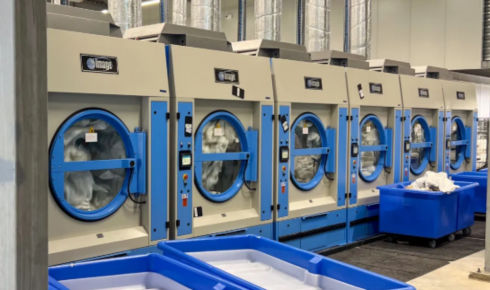
  • 5 Tips for Choosing the Right Industrial Laundry Equipment Supplier

    5 Tips for Choosing the Right Industrial Laundry Equipment Supplier

    When you run a business that needs industrial laundry equipment, choosing the right supplier is a very important step. The machines you buy must be reliable, strong, and easy to maintain. But finding the best supplier is not always easy.

    There are many companies out there, and not all of them offer good service or quality products. Picking the wrong one can lead to delays, extra costs, and poor customer support. To help you avoid problems, this article will share five useful tips to choose the right industrial laundry equipment supplier. 

    Look for Experience and Reputation

    It’s always smart to choose a supplier with many years of experience in the laundry equipment industry. Experienced suppliers usually understand your business needs better. They know which machines work best for different types of laundry services.

    You should also check their reputation. Try reading customer reviews or asking other businesses if they’ve worked with that supplier. A good reputation means many people have trusted the company. 

    Check the Range of Equipment Offered

    A good industrial laundry equipment supplier should offer a wide range of equipment. This can include washing machines, dryers, presses, folders, and other laundry tools. When a supplier has many types and models, you can pick the ones that fit your needs best.

    Some businesses need heavy-duty machines, while others want energy-saving models. Having more choices helps you find the right mix of machines. It also shows that the supplier works with multiple manufacturers and understands different kinds of laundry operations. 

    Understand the Level of Customer Support

    Customer support is just as important as the machines themselves. After you buy equipment, you may need help with installation, training, repairs, or spare parts. A good supplier will not leave you after the sale.

    They will support you through the entire process and be there when you need them. You should ask how fast they respond to service requests. Also, check if they offer emergency help in case a machine breaks down suddenly. 

    Consider Pricing and Payment Options

    While price should not be the only factor, it still matters. You want to get the best value for your money. Compare prices from different suppliers and see what each one includes in their offer. Some may provide free delivery, setup, or training.

    Others might offer long-term warranties. Also, check if the supplier has flexible payment options. Some businesses prefer leasing instead of buying machines right away. A supplier who understands your budget and gives flexible plans can be a better partner. 

    Look for After-Sales Services and Training

    Once you receive your machines, you will need to learn how to use and maintain them. The best suppliers offer proper training for your staff. This helps prevent mistakes and keeps your machines running longer. Also, a supplier that provides after-sales services like regular maintenance visits or updates on new features shows they care about your long-term success.

    These services help you avoid machine breakdowns and improve the overall quality of your laundry work. 

    Conclusion

    Choosing the right industrial laundry equipment supplier is a big decision. You must find someone who not only sells good machines but also stands by you after the sale. A strong supplier will offer you reliable equipment, excellent service, fair prices, and helpful training.

    When you follow these five tips, you will feel more confident about your choice. In the end, a good supplier can help your business grow and keep your laundry operations running smoothly.

  • Acura Transmission Technology: The Perfect Blend of Luxury and Performance

    Acura Transmission Technology: The Perfect Blend of Luxury and Performance

    When Honda established Acura as its luxury division in 1986, it marked the first Japanese luxury automotive brand to enter the North American market. This pioneering move required more than just upscale interiors and refined styling—it demanded powertrain technology that could compete with established European luxury marques. Over three decades later, Acura transmissions have earned a reputation for combining smooth operation with engaging performance, representing some of the finest examples of Japanese engineering expertise.

    The Evolution of Acura Transmission Technology

    Acura’s approach to transmission design has always balanced the competing demands of luxury car buyers: seamless operation for comfort, responsive shifting for engagement, and long-term reliability. This philosophy has guided the brand through multiple generations of transmission technology.

    Early Acura models featured refined versions of Honda’s already capable transmissions, but with specific calibrations to meet luxury market expectations. As the brand matured, Acura developed increasingly sophisticated transmission solutions, from advanced automatics to specialized manual gearboxes for performance models like the Integra Type R and NSX.

    The Automatic Advantage

    Acura’s automatic transmissions have evolved significantly since the brand’s inception. Early models featured 4-speed automatics that, while technically similar to their Honda counterparts, received unique shift programming and refinement touches.

    By the late 1990s and early 2000s, Acura had developed 5-speed automatic transmissions that set standards for smoothness and durability. The shift logic in these transmissions was notably more advanced than many competitors, with the ability to hold gears during cornering and provide rev-matched downshifts—features that would become industry standards years later.

    The introduction of Acura’s Sequential SportShift technology represented another significant advancement, allowing drivers to manually select gears without a clutch pedal. This technology bridged the gap between traditional automatics and the emerging dual-clutch transmissions, offering engaging driving experiences without sacrificing comfort.

    Performance-Oriented Transmissions

    For enthusiasts, Acura’s manual transmissions have held special appeal. The 5-speed and 6-speed manual transmissions found in vehicles like the Integra GSR, Type R, and RSX Type S featured precise shift action, ideally spaced ratios, and excellent durability even under aggressive driving conditions.

    Perhaps most legendary is the transmission developed for the original NSX supercar. This 5-speed (later 6-speed) manual transmission featured a titanium shift knob and offered a mechanical precision that automotive journalists still reference as a benchmark decades later. The specialized engineering involved in the NSX’s transmission demonstrates Acura’s commitment to creating truly world-class performance vehicles.

    Modern Advancements

    In recent years, Acura has embraced more advanced transmission designs. The 8, 9, and 10-speed automatic transmissions found in contemporary models offer a broader range of ratios, enabling both better acceleration and improved fuel economy. These transmissions feature faster shift times, more sophisticated electronic controls, and better integration with the vehicle’s engine management systems.

    The brand’s Super Handling All-Wheel Drive (SH-AWD) system works in concert with these advanced transmissions to deliver power precisely where needed, enhancing both performance and safety. This integration of transmission and drivetrain technology exemplifies Acura’s holistic approach to vehicle dynamics.

    Dual-Clutch Innovation

    Acura’s adoption of dual-clutch transmission (DCT) technology represents one of the more significant recent developments in their powertrain strategy. First appearing in the ILX compact luxury sedan and later refined for performance applications in vehicles like the NSX supercar, these transmissions offer lightning-quick shifts without the comfort compromise associated with earlier DCT designs.

    The 8-speed DCT found in the latest NSX is particularly impressive, capable of shifting faster than the human eye can perceive while still providing smooth operation in everyday driving scenarios. This transmission exemplifies how Acura has successfully blended the performance benefits of a dual-clutch design with the refinement expected in a luxury vehicle.

    JDM Acura Transmissions: Hidden Gems

    For enthusiasts and repair specialists, used JDM Acura transmissions represent an interesting opportunity. Japanese Domestic Market versions of Acura transmissions (branded as Honda in their home market) sometimes feature different gear ratios, stronger internal components, or unique calibrations not found in North American models.

    These JDM transmissions often come from vehicles with lower mileage due to Japan’s strict vehicle inspection system and high ownership costs for older vehicles. As a result, they frequently offer excellent condition despite their age, making them valuable for restoration projects or performance upgrades.

    Maintenance Considerations

    Acura transmissions, like all complex mechanical systems, benefit from proper maintenance. The brand typically recommends specific transmission fluid formulations that support the precise friction characteristics needed for optimal operation. Using manufacturer-recommended fluids and following service intervals can significantly extend transmission life.

    For automatic transmissions, fluid changes every 30,000 to 60,000 miles (depending on model and driving conditions) help prevent the accumulation of wear particles and breakdown products that can compromise shift quality and longevity. Manual transmissions generally require less frequent service but benefit from periodic fluid replacement to maintain optimal synchronizer performance.

    Common Applications and Compatibility

    One interesting aspect of Acura transmissions is their compatibility within the broader Honda family of vehicles. Many enthusiasts have successfully transplanted Acura transmissions into Honda models to gain performance advantages or replace damaged components. This cross-compatibility reflects the shared engineering DNA between the brands while offering practical benefits for vehicle owners.

    Popular transmission swaps include installing the 6-speed manual from the Acura TL Type S into the Honda Accord or using the more robust automatic from the Acura RL in other V6 Honda applications. These interchanges typically require some modification and proper integration with vehicle electronics but can provide significant performance or durability improvements.

    The Future of Acura Transmission Technology

    As the automotive industry moves toward electrification, Acura’s approach to transmission technology is evolving. The brand has already introduced hybrid systems with specialized transmission designs that integrate electric motors. The NSX’s hybrid system, for example, uses electric motors to drive the front wheels directly, eliminating the need for a conventional transmission on that axle.

    Future Acura models will likely continue this trend, with transmissions becoming more integrated with electrified powertrains. However, the brand’s commitment to performance suggests that even as technology evolves, the engaging driving experience that has defined Acura will remain a priority.

    Conclusion

    Acura transmissions represent an important chapter in the story of Japanese luxury performance vehicles. By successfully balancing refinement, engagement, and reliability, these transmissions have helped establish Acura as a credible alternative to European luxury brands while maintaining a distinctive character rooted in precise engineering and thoughtful design.

    Whether in a classic Integra Type R, a contemporary TLX sedan, or the exotic NSX supercar, Acura transmissions continue to deliver on the brand’s promise of precision crafted performance—a philosophy that has guided Acura since its inception and continues to inform its approach to drivetrain engineering today.