There’s a particular kind of frustration that comes with cleaning a bathroom only to find white mineral stains returning a few days later. You try different cleaning products, scrub a little harder, and eventually wonder whether those cloudy shower doors will ever look clean again.
The problem might not be your cleaning routine at all. It could be your water.
Hard water is a common household concern that affects everything from bathroom fixtures to kitchen appliances. While it doesn’t necessarily pose a health risk, its long-term effects can make home maintenance more demanding and expensive. Fortunately, treating water hardness can help address many of these everyday inconveniences.
Understanding Why Hard Water Leaves Scale Behind
Water picks up naturally occurring minerals as it travels through underground rock formations and soil. Calcium and magnesium are the main minerals responsible for water hardness.
When hard water evaporates or is heated, these dissolved minerals can form solid deposits known as limescale. You’ve probably seen them inside a kettle, around a faucet, or along the edges of a kitchen sink.
The trouble is that these deposits don’t just appear on visible surfaces. They can also develop inside plumbing components and household appliances.
Homeowners looking to reduce hard water scale with softening can address the underlying issue by lowering the concentration of hardness minerals in their water supply. Rather than constantly cleaning up deposits, they’re taking steps to prevent excessive new buildup. Also read: Making the Most of Your Private Well: Finding Water Treatment That Works for Your Home
The Hidden Impact of Hard Water on Household Appliances
Consider how many appliances depend on water throughout your home. Dishwashers, washing machines, coffee makers, and water heaters all come into regular contact with dissolved minerals.
Over time, excessive scale may interfere with their performance. Water heaters, in particular, can experience reduced heat transfer when mineral deposits accumulate on heating surfaces.
Coffee makers may require frequent descaling, while dishwasher components can develop stubborn mineral residue.
Individually, these problems might not seem particularly serious. But when several appliances require additional maintenance, the inconvenience becomes difficult to overlook.
Replacing household equipment is expensive enough without unnecessary mineral buildup contributing to the problem.
How Modern Water Softening Technology Works
Water softening sounds more complicated than it actually is. The basic idea involves reducing the minerals that contribute to hardness before water reaches household fixtures and appliances. Also read: Experience the Everyday Advantages of Non-Electric Water Softening Technology
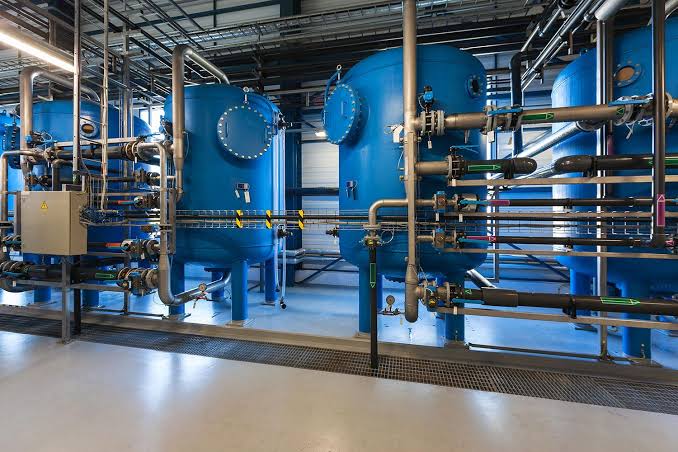
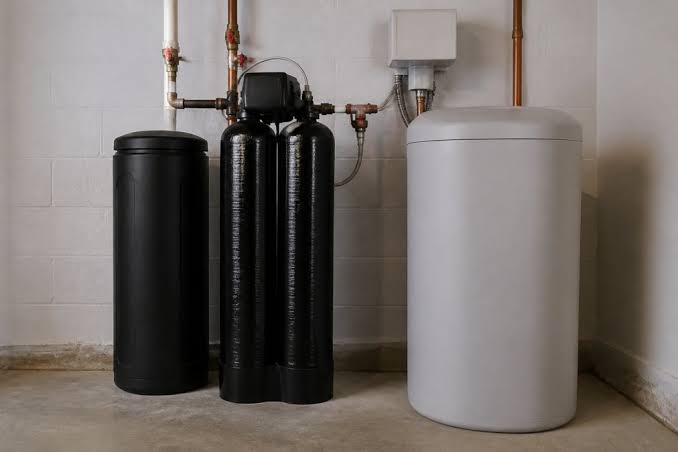
Traditional salt-based softeners typically use ion exchange. Water passes through a tank containing specialized resin beads that capture calcium and magnesium ions while releasing sodium or potassium ions.
Different water softening solutions are available to accommodate varying household sizes, hardness levels, and maintenance preferences. Some systems use demand-based regeneration, allowing them to restore their softening capacity according to actual water consumption.
There are also salt-free conditioners designed to help manage scale formation. However, these generally don’t remove hardness minerals in the same way as conventional softeners.
Understanding that difference is important when comparing equipment.
The Everyday Benefits of Softer Water
Not every benefit of water softening comes down to protecting expensive equipment. Sometimes, the smaller improvements are the ones homeowners appreciate most.
Take laundry, for example. Hardness minerals can interfere with washing performance, whereas softened water may help detergents work more effectively. Also read: Understanding Hard Water and Keeping Mineral Deposits Under Control
Traditional soap tends to lather more easily, too. Bathroom surfaces may require less frequent cleaning, and glassware can develop fewer mineral spots.
Anyone who has spent an afternoon scrubbing stubborn deposits from shower doors knows how welcome those changes can be.
Of course, individual results depend on the original water hardness and the effectiveness of the installed equipment. Still, reducing mineral-related inconveniences can make household chores feel considerably more manageable.
Choosing a Water Softener That Fits Your Family
Shopping for treatment equipment shouldn’t be a guessing game. What works perfectly well for your neighbor might not be appropriate for your household.
When comparing water softeners for homes, consider daily water consumption, incoming water hardness, available installation space, and peak water demand.
A larger family with multiple bathrooms will generally have different requirements from a couple living in a smaller property. Also read: Clean Water at Home: Small Improvements That Make a Real Difference
It’s also worth asking about salt consumption and regeneration frequency. These factors influence ongoing operating expenses and the amount of maintenance required.
Professional water testing can provide a clearer picture of your needs, helping you avoid purchasing equipment that’s either too small or unnecessarily powerful.
Can Water Softening Help You Save Money?
Installing a water softener involves an upfront expense. Naturally, homeowners want to know whether that investment makes financial sense.
Potential savings may come from reduced appliance maintenance, less frequent descaling, and more efficient use of certain cleaning products.
However, water softeners also have operating costs. Salt, regeneration water, and occasional professional servicing should be included when considering your budget.
The financial benefits aren’t identical for every household. Properties with particularly hard water may experience more noticeable advantages than those with relatively moderate hardness. Also read: Keeping Your Home Comfortable with Reliable Heating and Cooling
Simple Maintenance Goes a Long Way
Once a water softener is installed, it’s tempting to forget about it entirely.
Checking salt levels regularly, following manufacturer recommendations, and arranging periodic servicing can help maintain reliable performance. Occasional water hardness testing is useful as well, especially if mineral stains begin returning unexpectedly.
Remember, softening isn’t the same as drinking water purification. Separate filtration may be necessary if testing identifies other water quality concerns.
A Practical Step Toward Easier Home Maintenance
Hard water scale doesn’t have to remain a permanent source of frustration. Understanding its causes and choosing suitable treatment equipment can make a genuine difference to your property.
Less scrubbing, fewer mineral deposits, and better-protected appliances are practical improvements that can benefit homeowners over time.
Sometimes, making a home more comfortable isn’t about renovating an entire room or purchasing new appliances. It’s about improving something you use every single day — water.