Hard water has a way of making ordinary household tasks more complicated than they need to be. You scrub the shower doors, polish the kitchen faucets, and purchase better-quality detergents, yet those stubborn mineral deposits keep returning.
Over time, these seemingly minor inconveniences can affect your cleaning routine, plumbing fixtures, and water-using appliances.
For homeowners throughout Silicon Valley and the Bay Area, investing in suitable water treatment equipment offers a practical opportunity to address these recurring frustrations.
Modern water softening technology has introduced several approaches to reducing excessive mineral content, including systems designed to operate without electricity. Understanding how these systems function and what makes them different can help you choose equipment that suits your household’s water quality requirements and everyday lifestyle.
Discovering the Convenience of Twin-Tank Water Softening Technology
Traditional water softeners often use a single resin tank that periodically regenerates to restore its treatment capacity. Depending on the equipment’s design, softened water may become temporarily unavailable during this process.
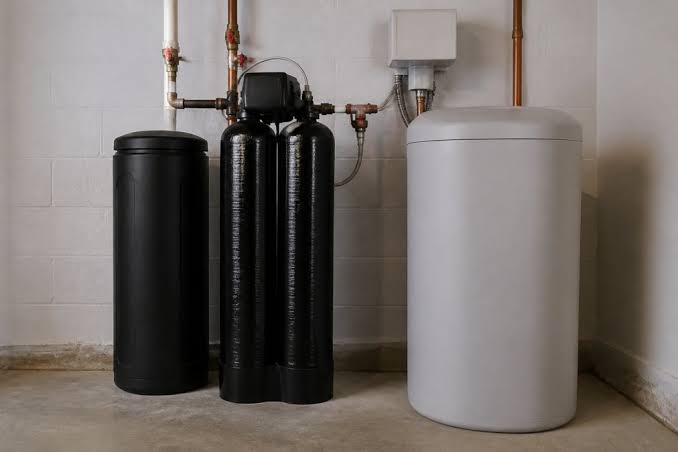
Exploring twin-tank, non-electric kinetico water softeners introduces homeowners to an alternative approach that uses water flow to drive system operation rather than relying on an electrical control mechanism.
A twin-tank configuration generally allows one tank to provide treated water while the other regenerates or remains ready for service.
This arrangement can be particularly convenient for busy households with unpredictable water consumption patterns.
Imagine having several family members taking showers, running the dishwasher, and washing clothes throughout the day. A system designed to alternate between treatment tanks can help accommodate varying household demands. Also read: How Water Softening Helps Protect Your Home From Stubborn Hard Water Scale
Non-electric operation also eliminates the need for an electrical connection to power the softener’s control mechanism.
However, these systems still require appropriate water pressure, periodic maintenance, and regeneration supplies.
Before selecting equipment, homeowners should compare treatment capacity, installation requirements, regeneration efficiency, and ongoing operating expenses.
The objective is to find a system that provides dependable hardness reduction while remaining practical to operate and maintain.
Understanding What Makes Hard Water a Household Concern
Water naturally collects minerals as it moves through soil and rock formations. The concentration of these dissolved minerals varies depending on the water source and local environmental conditions.
Calcium and magnesium are the primary hardness-causing minerals responsible for many of the stubborn deposits homeowners encounter around faucets, showerheads, and water-using appliances.
Although water hardness isn’t generally considered a health hazard, excessive mineral concentrations can create several practical challenges.
When hard water is heated, certain minerals can form scale deposits. These deposits may gradually accumulate inside water heaters, kettles, and other equipment. Also read: Making the Most of Your Private Well: Finding Water Treatment That Works for Your Home
Hardness can also interfere with the performance of soaps and detergents, making it more difficult to produce a satisfactory lather.
Perhaps you’ve noticed that your bathroom surfaces develop a cloudy residue shortly after cleaning. Or maybe your dishwasher leaves mineral spots on freshly washed glassware.
These experiences could indicate excessive water hardness.
Traditional ion-exchange treatment addresses this problem by exchanging calcium and magnesium ions for sodium or potassium ions.
Professional water testing can help determine your property’s hardness level and identify an appropriate treatment arrangement.
Understanding the underlying cause of mineral accumulation is considerably more effective than repeatedly purchasing cleaning products to address its visible effects.
Enjoying Noticeable Improvements in Your Daily Routine
Sometimes, the most valuable home improvements are the ones that make ordinary activities easier. Water treatment is a good example because its benefits can extend across numerous household routines.
Using soft water throughout suitable household plumbing can help reduce mineral deposits, improve soap effectiveness, and make certain cleaning tasks less demanding. Also read: Understanding Hard Water and Keeping Mineral Deposits Under Control
Consider your weekly laundry routine. Hardness minerals can interfere with detergent performance, potentially leaving fabrics feeling stiff or less pleasant after washing.
Reducing water hardness may help improve these conditions.
Bathroom maintenance can also become more manageable when fewer hardness-related deposits accumulate around shower doors, faucets, and sinks.
In the kitchen, homeowners may notice fewer mineral spots on dishes and glassware.
Appropriate softening can also help protect water heaters and other appliances against excessive scale formation.
These practical improvements can make a noticeable difference over time, particularly in households that previously experienced significant hardness problems.
However, water softening should not be confused with comprehensive drinking water purification. Additional filtration or reverse osmosis equipment may be necessary to address specific contaminants, unpleasant tastes, or other water quality concerns.
Recognizing When Your Home Could Benefit From Water Softening
Many homeowners become accustomed to mineral-related inconveniences without realizing that suitable treatment equipment could address their underlying cause. Also read: Clean Water at Home: Small Improvements That Make a Real Difference
Common indicators of excessive hardness include:
- Chalky white deposits around plumbing fixtures.
- Cloudy spots on freshly washed dishes.
- Difficulty producing a satisfactory soap lather.
- Rough or stiff fabrics after laundering.
- Recurring mineral accumulation inside kettles.
- Stubborn soap residue on bathroom surfaces.
Although these symptoms may suggest hardness-related problems, water testing provides a more reliable assessment.
Knowing your actual hardness level can help determine whether treatment is necessary and which equipment capacity would suit your household.
Choosing Equipment That Matches Your Water Consumption
Not every household requires the same water softening arrangement. Family size, daily consumption, peak water demand, and existing hardness levels all influence equipment selection.
A larger household may require greater treatment capacity than a smaller property with relatively modest water usage.
When comparing equipment, consider salt consumption, regeneration water requirements, installation space, and maintenance accessibility.
Review applicable local requirements for softener discharge and regeneration before installation.
Professional guidance can help you compare available options and avoid purchasing equipment that exceeds your actual requirements. Also read: Keeping Your Home Comfortable with Reliable Heating and Cooling
Maintaining Your Water Softener for Long-Term Performance
Even equipment designed for convenient operation requires routine attention.
Homeowners should monitor salt levels, follow manufacturer maintenance recommendations, and periodically check treatment effectiveness.
If mineral deposits begin returning or water hardness noticeably increases, arranging a professional inspection may help identify the underlying issue.
Keeping equipment properly maintained supports consistent performance while reducing certain avoidable servicing expenses.
Bring Greater Convenience to Your Home With Better Water
Dealing with recurring mineral deposits and unnecessary cleaning difficulties doesn’t have to remain part of your everyday routine.
For homeowners throughout Silicon Valley and the Bay Area, appropriate water testing and carefully selected treatment technology can provide meaningful improvements in household convenience.
Take time to compare available systems, understand their operating requirements, and choose qualified installation professionals.
Ultimately, investing in water softening is about more than addressing mineral accumulation. It’s about simplifying everyday chores, protecting valuable appliances, and creating a more comfortable home where better water makes a difference every single day.