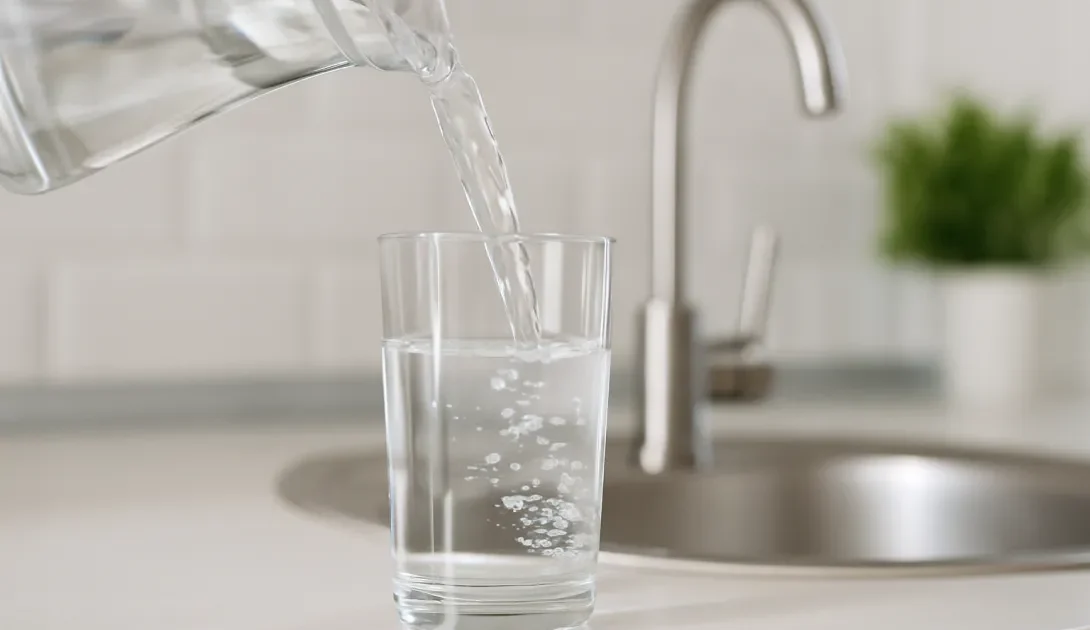
There’s something reassuring about turning on the kitchen tap and knowing the water is ready for a cup of tea, a pot of soup, or a bottle to take along on a busy day. We don’t usually give it much thought. That is, until the kettle starts collecting white deposits, the bathroom fixtures develop stubborn stains, or the water tastes a little different from what we’re used to.
These everyday signs can raise reasonable questions about the water entering our homes. Is it too hard? Does it need additional filtration? Could the plumbing be contributing to the problem? The answers aren’t always obvious, and buying the first filter you see isn’t necessarily the best approach.
Better water starts with understanding what’s coming through the tap, identifying what needs attention, and choosing a practical solution that fits your household.
What Does Clean Water Really Mean?
When people talk about clean water, they often mean water that looks clear, tastes pleasant, and leaves no visible residue. Those qualities certainly matter, but they don’t tell the whole story.
Water may contain naturally occurring minerals, dissolved substances, or microorganisms that aren’t visible to the naked eye. Its characteristics also depend on the source. Municipal supplies, private wells, and borewells can have different treatment needs, even when the water looks similar.
Hard water is one of the most familiar household concerns. Calcium and magnesium can build up inside kettles, water heaters, showerheads, and pipes. You might notice chalky marks on glassware or find yourself using more soap than expected. These signs can suggest hardness, although a water test is the best way to confirm it. Also read: Keeping Your Home Comfortable with Reliable Heating and Cooling
Other issues require a different response. Iron may leave reddish-brown stains, while sediment can cause cloudiness. Certain contaminants, including some bacteria and dissolved chemicals, may have no obvious effect on appearance or taste.
If you’re concerned about your supply, start with appropriate testing. Depending on the water source and local risks, this may include hardness, pH, selected metals, nitrate, fluoride, and microbiological indicators. A qualified laboratory can help determine which tests are relevant.
The point isn’t to test for everything imaginable. It’s to gather enough reliable information to make a sensible decision.
Finding Water That Tastes Good and Feels Comfortable
Taste is often what first encourages homeowners to explore water treatment. A strong chlorine flavor can make drinking water less appealing, while mineral-heavy water may affect how tea or coffee tastes. Sometimes the difference is subtle, but once you notice it, it’s difficult to ignore.
For many households, the goal is soft, great-tasting water that feels comfortable to use throughout the day. Achieving that goal may involve more than one treatment method, depending on the original problem.
Activated carbon filters, for example, can reduce chlorine taste and odor when the product is designed for that purpose. Reverse osmosis systems can reduce many dissolved substances, making them useful for certain drinking-water concerns. Water softeners address hardness minerals, which can help reduce scale formation on plumbing fixtures and appliances. Also read: The Complete Guide to Hiring Movers Who Actually Get It Right
These technologies aren’t interchangeable. A softener doesn’t automatically make contaminated water safe to drink, and a standard carbon filter won’t remove every dissolved substance. Choosing equipment without understanding its capabilities can lead to disappointment.
It’s also worth remembering that naturally occurring minerals aren’t automatically harmful. The aim should be to address specific water quality concerns rather than removing everything simply because it sounds undesirable.
Before buying equipment, check what the manufacturer claims the system will reduce, look for relevant independent certifications, and compare the ongoing cost of replacement filters or other consumables. A little homework now can prevent unnecessary spending later.
Why Installation Quality Should Never Be Overlooked
Even a good treatment system can perform poorly when it’s installed incorrectly. Loose fittings may leak, unsuitable pipe connections can create problems, and a system that’s too small for the household may struggle to maintain adequate flow.
Proper installation should account for incoming water pressure, plumbing layout, expected demand, drainage requirements, and access for future maintenance. Some systems are designed for a single drinking-water outlet, while others treat water entering the entire property. Choosing between them depends on what you’re trying to improve. Also read: Keeping the Lights On Isn’t Luck, It’s a Habit
It’s also important to follow applicable plumbing rules and manufacturer instructions. Code-compliant installations help ensure that equipment is fitted according to relevant requirements, with appropriate connections and safeguards. Depending on the system and location, professional installation may be necessary or strongly advisable.
Ask the installer to explain how the equipment operates and what routine care it needs. You should know how to recognise a warning light, when to replace a cartridge, and whom to contact if water pressure suddenly changes.
These details might seem minor on installation day, but they’re useful when you’re standing in the kitchen six months later wondering why the flow has slowed.
Everyday Habits That Help Protect Water Quality
Treatment equipment is only one part of maintaining a dependable household water supply. Plumbing, storage tanks, and everyday maintenance all play a role.
If your home uses a storage tank, check that its cover is secure and arrange appropriate inspection and cleaning. Poorly maintained tanks can introduce contamination even when the incoming supply is treated. Leaking pipes and damaged fittings also deserve prompt attention.
Keep an eye on changes in taste, smell, color, or flow. A sudden change doesn’t automatically mean your filter has failed. The cause might be related to municipal maintenance, a storage tank, plumbing materials, or the treatment unit itself. Also read: How Proper Dirt Moving Supports Healthier Sod Establishment
When something unusual happens, investigate rather than guessing. If contamination is suspected, use an appropriate testing service and follow local public-health advice about safe water use.
Routine filter replacement matters, too. A cartridge that’s past its recommended service life may no longer perform as intended. The correct replacement interval depends on the product, water conditions, and household consumption, so follow the manufacturer’s instructions rather than relying on a fixed schedule for every system.
A simple maintenance record can make this easier. Note filter changes, service visits, and any unusual water quality issues. It takes very little effort and can be surprisingly helpful over time.
Choosing a Solution That Fits Your Household
There’s no single treatment system that’s right for every home. A family struggling with hard water may benefit from a softener, while a household concerned about a specific drinking-water contaminant may need a certified point-of-use filter or another targeted technology.
Start by identifying your priorities. Are you trying to reduce scale, improve taste, address a test result, or treat water throughout the house? Once you know the answer, compare solutions based on performance, installation requirements, maintenance, and long-term cost. Also read: 3 Things to Consider When Choosing a Mover in Paris
Be cautious of products that promise to solve every water problem with one device. Reliable treatment depends on the contaminants involved and the technology used. When test results reveal a serious concern, seek qualified advice rather than relying on marketing claims.
A Better Water Routine Starts With Simple Decisions
Improving household water doesn’t require turning your home into a complicated treatment facility. Often, the most useful first step is simply finding out what’s in your water and understanding which issues actually need attention.
From there, suitable equipment, careful installation, and regular maintenance can help keep the supply dependable. You may notice fewer mineral deposits, better-tasting drinking water, or less trouble with appliances. Just as importantly, you’ll have a clearer understanding of how your system works and what it can realistically achieve.
Water is part of everyday life, so getting it right is worth the effort. Make informed choices, pay attention when something changes, and focus on solutions that meet your household’s real needs. The result isn’t just better water at the tap; it’s greater confidence in something you rely on every single day.