
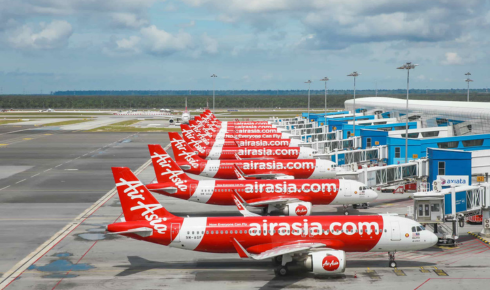
AirAsia has been shaping budget travel in Southeast Asia for over two decades, and in 2026 the airline continues to dominate the low-cost carrier segment across Malaysia and beyond. But the budget model has evolved — ancillary fees, tiered baggage options, and dynamic pricing mean that getting a genuinely cheap fare takes more knowledge than it used to. Here’s what you need to know before your next AirAsia flight booking.
H2: Route Network and Where AirAsia Flies
From its main hub at KLIA2, AirAsia operates routes to over 130 destinations across Southeast Asia, East Asia, India, and Australia. Domestic routes cover every Malaysian state, with high-frequency services between KL and Penang, Kota Kinabalu, Kuching, and Langkawi. International routes span Bangkok, Jakarta, Manila, Osaka, Melbourne, and dozens more. The network has expanded steadily since the post-pandemic recovery, and new routes to secondary cities in Vietnam and India launched in late 2025.
H2: Baggage Allowance Explained
AirAsia’s base fare includes only a cabin bag (up to 7 kg). Checked baggage starts at 20 kg and scales to 40 kg in increments, with pre-booked rates significantly cheaper than paying at the airport counter. A 20 kg pre-booked bag typically costs RM30 to RM60 on domestic routes, while the same bag purchased at check-in can exceed RM100. The lesson is straightforward: decide your luggage needs when completing your AirAsia flight booking rather than leaving it to departure day.
H2: Seat Selection and Add-Ons
Standard seat selection runs from RM5 to RM50 depending on position, with hot seats (front rows and exit rows offering extra legroom) at the top end. Other add-ons include in-flight meals pre-ordered from the Santan menu, travel insurance, and priority boarding. Each item is optional, and the unbundled pricing means careful travellers can keep costs low by skipping what they don’t need. Pre-ordering meals is worth considering on flights over two hours — the onboard menu is limited and prices are higher when purchased in the air.
H2: How to Find the Cheapest Fares
AirAsia’s pricing is fully dynamic, meaning fares shift based on demand, time to departure, and route popularity. Booking two to three months ahead generally secures the best rates for international flights, while domestic hops can sometimes be snagged cheaply just a week out during off-peak periods. Comparing prices across multiple platforms helps — an AirAsia flight booking through Traveloka Malaysia sometimes surfaces promotional rates or cashback offers that the airline’s own site doesn’t advertise prominently.
H2: The Boarding and Airport Experience
KLIA2 is AirAsia’s purpose-built terminal, and it’s functional rather than luxurious. Check-in counters can develop long queues during peak hours, so using the self-service kiosks or mobile check-in saves considerable time. Security and immigration are generally efficient, though the walk to remote gates can take fifteen minutes. Departure lounges have a reasonable selection of food outlets and shops, but prices run higher than outside the terminal — eating before you clear security is the budget-savvy move.
H2: Customer Service and Delays
Historically, AirAsia’s customer service has been a weak point, with long response times on live chat and limited phone support. The airline has improved its chatbot system in recent years, and straightforward requests like flight changes and baggage additions are now handled fairly quickly through the app. Delays and cancellations do happen — budget carriers operate tight turnaround schedules that leave little buffer — but compensation policies align with Malaysian aviation regulations. Keeping screenshots of your AirAsia flight booking confirmation and any delay notifications helps if you need to file a claim later.
H2: Is AirAsia Still Worth It in 2026
For point-to-point travel across Southeast Asia, AirAsia remains hard to beat on price when you book smart. The key is treating the base fare as a starting point and adding only the extras you genuinely need. Use Traveloka Malaysia to compare final prices including baggage and seats, and book early enough to avoid surge pricing. Managed properly, an AirAsia flight booking still delivers the best ringgit-per-kilometre value in the region.