
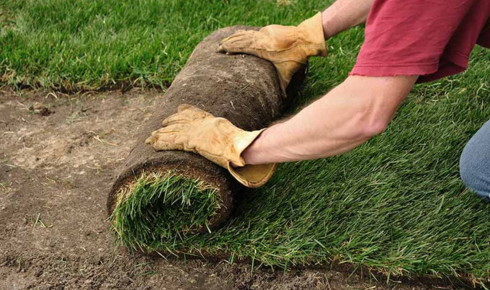
Fresh sod only thrives when it sits on a foundation prepared to support root growth, water balance, and soil health. Dirt work becomes the silent factor behind lush turf, shaping how the ground accepts new sod and how quickly it establishes. Landscaping near me professionals often point out that the success of sod installation depends on what happens before the first roll is laid.
Leveling Uneven Ground to Prevent Water Pooling on New Sod
A smooth, even grade keeps water from settling in dips where new sod is vulnerable. Low spots hold moisture long enough to encourage rot, disease, and weakened roots. Landscaping companies near me typically level these areas so runoff moves naturally instead of soaking into isolated patches. Uniform grading also helps irrigation work properly. A balanced surface ensures water spreads evenly across the turf rather than flooding one side while leaving another too dry. Lawn care companies near me use leveling techniques to maintain this balance and support long-term sod health.
Removing Debris That Blocks Root Contact with Soil Base
Buried sticks, stones, and construction remnants interfere with root-to-soil contact. Sod must touch the earth beneath it to draw moisture and nutrients effectively. Landscaping services near me remove debris so roots can anchor quickly and form a stable, dense turf.
Debris-free soil also prevents air gaps that cause patches to dry out faster than surrounding areas. A landscape company ensures roots can spread without obstruction, reducing the risk of weak spots or uneven sod establishment.
Improving Soil Texture for Better Air and Water Movement
Poor soil texture restricts airflow and interrupts water absorption. Heavy clay becomes sticky and waterlogged, while overly sandy soil lets water drain away too fast. Adjusting soil texture allows new sod to thrive in conditions tailored to its needs. Texture improvement often involves adding sand, compost, or specialty blends that increase porosity. Landscaping near me teams understand how to balance these elements so sod roots receive the air pockets they depend on while holding enough moisture to grow steadily.
Ensuring Consistent Grade That Supports Uniform Root Growth
A consistent grade keeps the entire sod surface in contact with the soil. Even small dips and ridges can cause parts of the sod to lift, preventing roots from taking hold. Landscaping companies near me shape the soil until the surface supports full root engagement across the entire lawn.
Achieving this uniform grade gives sod the stability it needs as it adjusts to a new environment. Areas that properly touch the ground grow stronger and more resistant to stress, reducing the risk of bare or thinning patches later.
Minimizing Compaction so Roots Penetrate Easily
Compacted soil acts like a barrier, keeping roots from pushing downward. Machines, foot traffic, and construction often compress soil until it loses its structure. A landscape company uses aeration, tilling, or loosening methods to restore space within the soil so roots can move freely. Breaking up compaction also improves drainage. Once loosened, water flows deeper into the ground instead of pooling at the surface, giving sod access to moisture without suffocating its roots. This balance supports healthy, long-term growth.
Distributing Topsoil Where Nutrients Are Most Needed
Nutrient-rich topsoil plays a major role in how sod develops during its first few weeks. Without a balanced distribution, some areas may receive too much organic matter while others receive too little. Landscaping services near me spread topsoil evenly, making sure each section of sod receives the support it needs.
Placement also matters for root structure. Properly applied topsoil creates a smooth transition into the subsoil below. This encourages roots to establish deeply, improving drought resistance and durability.
Creating Gentle Slopes That Guide Water Away from Turf
Subtle slopes guide water naturally without creating erosion. Turf grows best when water flows in controlled paths rather than rushing or pooling. Landscaping near me professionals design gentle grades that move water away from vulnerable spots around buildings, walkways, or low-lying turf sections.
These slopes also support drainage systems. Whether the property uses French drains, surface channels, or natural flow, well-shaped grading ensures sod receives moisture without stress. This helps maintain consistent color and density.
Mixing in Organic Matter to Boost Soil Health and Resilience
Organic matter breathes life into soil that lacks structure or fertility. It introduces microbes, moisture retention, and nutrient availability essential for root development. Mixing compost or organic blends into the soil gives new sod a healthier, more supportive environment.
This organic enrichment also strengthens resilience. With improved structure and nutrient cycling, sod becomes more tolerant of heat, drought, and foot traffic. Landscape companies often incorporate organic matter to create those long-lasting benefits from the start.
Proper dirt preparation is the unseen layer of support behind thriving sod, and professionals skilled in soil work make a noticeable difference in turf quality. Cora Landscape offers services that shape the ground, manage soil health, and create ideal growing conditions for new sod and long-term lawn success.