
We spend so much time talking about paint colors, new couches, or the latest kitchen gadgets when we think about upgrading our homes. But truth be told, it’s often the invisible systems—the plumbing, the water treatment, the pipes running silently under the floors—that decide whether a house feels comfortable or chaotic. You only realize how important they are when something goes wrong: a clogged drain during a busy weekend, murky water from the tap, or a dishwasher that keeps leaving spots no matter how much soap you use. That’s when it hits you—home comfort is built on the stuff we don’t see every day.
The Everyday Lifeline of Plumbing
Plumbing doesn’t make headlines in daily life, but when it fails, it quickly becomes the star of the show—and not in a good way. A leaky faucet might seem harmless, but it’s money dripping down the drain. A slow-moving sink feels like a small nuisance, until it becomes a bigger problem. And then there are those late-night surprises: overflowing toilets or water spreading across the basement floor.
That’s why professional residential plumbing services are more than just handy—they’re essential. They keep the basics running smoothly so you don’t have to think twice about turning on a tap or flushing a toilet. Having a reliable plumber means someone has your back when the unexpected happens, and they’re just as good at preventing problems as they are at fixing them.
The Special Case of Well Water
City water has its challenges, sure, but families who rely on wells face a different set of quirks. Wells bring independence—you’re drawing from your own source, not a big municipal system—but they also bring unpredictability. Heavy rain, drought, or even nearby construction can change what’s coming out of your faucet. Sometimes it’s harmless, sometimes it’s not.
That’s where well water treatment services come into play. They don’t just test for safety—they help create a long-term plan to make sure your water is as clean, consistent, and reliable as possible. From filtering out bacteria to balancing out minerals that stain sinks and tubs, well water treatment makes life easier, healthier, and a whole lot less stressful.
Installing the Right Tools for the Job
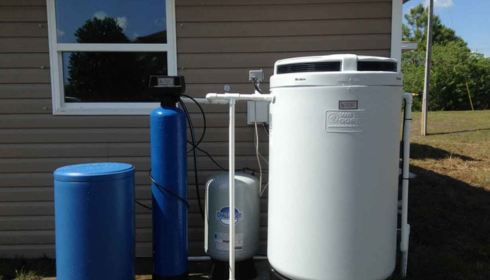
Good water quality doesn’t happen by accident—it comes from using the right equipment and making sure it’s set up properly. A softener that reduces hardness. A filtration system that takes out chlorine or sediment. Sometimes it’s more than one piece of equipment working together in the background.
That’s why water treatment equipment installation isn’t just a quick DIY project. It’s about sizing systems correctly, setting them up to handle your household’s specific water issues, and ensuring they’re efficient over time. When done properly, you don’t have to fuss with it constantly—it just works, quietly improving your daily life every time you turn on the tap.
Protecting Appliances You’ve Already Paid For
It’s easy to forget how much water runs through your appliances—dishwashers, washing machines, coffee makers, hot water heaters. Every one of them is vulnerable to whatever flows into them. Hard water clogs pipes and coats heating elements with scale. Sediment scratches surfaces and causes breakdowns long before their time.
Treating water isn’t just about taste—it’s about protecting those expensive appliances. By keeping the water clean and balanced, you stretch the lifespan of equipment, avoid costly repairs, and save energy. It’s an invisible form of home maintenance that pays off again and again.
The Health Factor Nobody Can Ignore
Comfort and savings are great, but health is often the driving factor for families. Contaminants in water aren’t always visible, and what looks clear may not always be safe. Whether it’s bacteria from well water, chlorine from municipal systems, or minerals that affect taste, the stakes are higher than just a bit of inconvenience.
Clean, treated water means parents don’t have to second-guess what they’re serving their kids, and everyone in the home feels more confident cooking, drinking, and even bathing. For households with vulnerable family members—kids, elderly relatives, or anyone with health sensitivities—the reassurance is worth more than the upfront cost.
Small Comforts That Add Up
What surprises most people after upgrading plumbing or water systems isn’t how “different” things look—it’s how much better they feel. Showers leave skin refreshed instead of dry. Clothes come out of the laundry softer. Coffee and tea taste noticeably smoother. Even chores like scrubbing sinks or cleaning dishes take less effort.
It’s not about big, dramatic changes—it’s about the hundreds of little moments each day that get easier, fresher, and more enjoyable. That’s the real value of treating and maintaining the water in your home.
The Cost Question
Of course, one of the biggest hurdles for many homeowners is the price tag. New systems, installations, and even routine plumbing visits feel like expenses you’d rather avoid. But here’s the thing: ignoring water and plumbing issues rarely makes them cheaper. A dripping faucet left alone can waste gallons of water every day. Hard water damage can burn out a hot water heater years earlier than expected.
In reality, proper plumbing care and water treatment save money in the long run. Lower utility bills, fewer appliance repairs, and less waste all add up over time. Viewed this way, it’s less of a burden and more of a smart investment.
When to Call in Help
The signs are often right there if you know what to look for. Soap that doesn’t lather. White streaks on shower doors. Metallic tastes in your drinking water. Slow drains or gurgling pipes. Any of these are signals that something isn’t working as it should.
You don’t need to wait until there’s a major breakdown to call in professionals. In fact, the sooner you do, the easier—and often cheaper—the fix will be. Testing your water, scheduling a quick inspection, or booking regular maintenance can prevent bigger problems from ever showing up.
The Bigger Picture
Beyond individual homes, better plumbing and water treatment ripple outward. Families stop relying so heavily on bottled water, cutting down on plastic waste. Appliances run more efficiently, reducing energy demand. Cleaner water and healthier plumbing don’t just make homes more comfortable—they make communities stronger and more sustainable.
A Final Thought
It’s easy to overlook the pipes and systems hidden in walls and basements. They don’t catch your eye the way a new kitchen counter does. But they quietly shape every single part of your day, from the shower that wakes you up to the glass of water you drink before bed.
Investing in plumbing and water treatment isn’t about extravagance—it’s about building a home that works the way it should. One where water flows reliably, tastes fresh, and supports the health and comfort of everyone who lives there. Because when the basics are right, everything else in life feels just a little bit easier.