Blog

  • Basic Differences Between Low Voltage and HTA Transformation

    Basic Differences Between Low Voltage and HTA Transformation

    Electrical systems use different voltage levels for different purposes. Low voltage and HTA transformation serve separate roles in power distribution networks. It’s important that you understand these distinctions to help you choose the right equipment for your facility. 

    What Low Voltage Transformation Does ?

    Low-voltage systems can handle electricity below 1000 volts. Usually, homes run on low voltage and even office buildings for lighting and outlets. These systems power everyday equipment safely. You’ll need transformers to step down the electricity to these usable levels. They take higher voltage from the grid and then reduce it. This way, your devices receive appropriate power without damage. Installation costs less for low-voltage systems because the equipment is smaller and simpler. Besides, maintenance requirements too are lighter. 

    HTA Transformation Systems

    transformation hta works at medium voltage levels compared to the low voltage systems. HTA stands for “Haute Tension A” in French. These systems can operate between 1kV and 52kV. They power industrial facilities that have capacity for heavy machinery. They usually require much larger transformers to handle these voltage ranges. They’re built more robustly since they will be managing higher energy loads. The equipment costs more upfront, but it delivers power efficiently to operations that demand substantial electricity. Companies like transfo france specialize in HTA transformation equipment. They design systems for industrial and commercial applications. 

    Conclusion 

    Whether you’re opting for low-voltage systems or transformation HTA will depend on your facility. If you’re powering your home, offices, retail stores, restaurants, then you need low voltage systems. You can only install HTA systems when you have a facility with machinery that demands more power.

  • Exploring AirAsia Flight Routes for Adventurous Travelers

    Exploring AirAsia Flight Routes for Adventurous Travelers

    Traveling with AirAsia opens up a world of opportunities for the adventurous spirits out there. Known for its affordability and extensive network, especially in Asia, AirAsia facilitates explorations that many might not have thought possible. This article will navigate you through various aspects of traveling with AirAsia, including hidden gems, seasonal offers, travel tips, and how to get the best deals using a top-tier Online Travel Agency (OTA) like Traveloka Malaysia.

    Hidden Gems You Can Reach with AirAsia Flight

    Asia is rich with hidden gems that are easily accessible through AirAsia. From the untouched beaches of Da Nang in Vietnam to the mystical temples of Yogyakarta in Indonesia, these destinations offer unparalleled beauty without the crowd. Traveloka Malaysia often features exclusive AirAsia flights to these lesser-known spots, allowing travellers to discover new and exciting places without breaking the bank.

    Navigating Southeast Asia on a Budget Airline

    Traveling on a budget doesn’t mean you have to compromise on the quality of your experience. AirAsia, often booked through Traveloka Malaysia, provides a cost-effective way to explore Southeast Asia. This airline connects virtually all major tourist spots in the region with frequent and reliable service. Whether it’s the bustling markets of Bangkok or the serene landscapes of Luang Prabang, an AirAsia flight ensures you reach your destination affordably and comfortably.

    Seasonal Offers That Make AirAsia Flight a Smart Choice

    Seasonal offers and promotions can significantly lower the cost of air travel. AirAsia collaborates with Traveloka Malaysia to bring travelers special deals that make trips even more economical. Whether it’s year-end sales, seasonal discounts, or limited-time promotions, keeping an eye on Traveloka can help you snag that perfect AirAsia flight deal.

    Fly-Thru Connections for Seamless Journeys

    The Fly-Thru service by AirAsia allows passengers to easily transfer between flights without the need to reclaim their baggage at transit points. This service is particularly useful for those who plan complex journeys across multiple countries. Facilitated excellently by platforms like Traveloka Malaysia, booking multi-flight itineraries has never been simpler or more stress-free.

    Tips to Maximize Comfort on AirAsia Flight

    While known for budget travel, comfort on an AirAsia flight can be significantly enhanced with a little planning. Opting for seats with extra legroom, packing appropriately for the cabin luggage limits, and participating in pre-flight and in-flight meal purchases are a few strategies to consider. Booking through Traveloka Malaysia adds an extra layer of convenience, ensuring that all these preferences are seamlessly managed during the booking process.

    Destinations Trending with AirAsia in 2025

    Looking ahead, there are several upcoming destinations where AirAsia is set to increase its presence. According to Traveloka Malaysia, spots like Siem Reap, Hanoi, and Cebu are gearing up to be among the top destinations for travelers using AirAsia in 2025. These locations offer a vibrant mix of culture, cuisine, and history, making them perfect for the curious and adventurous traveler.

    How AirAsia Flight Expands Your Bucket List

    Thanks to AirAsia’s extensive route network, your travel bucket list can grow exponentially. Places that were once difficult to reach are now just a flight away. Using Traveloka Malaysia’s user-friendly platform, travelers can plan multi-stop tours across Asia, thereby enriching their travel experiences and ticking off more destinations from their bucket lists.

    Booking Strategies for the Best AirAsia Deals

    To secure the best deals on AirAsia flights, timing and strategy are key. Often, booking early can result in cheaper flights, but keeping an eye out for last-minute deals on Traveloka Malaysia can also yield great savings. Additionally, subscribing to Traveloka’s newsletters and alerts can keep you updated on flash sales and exclusive prices that aren’t available anywhere else.

    Conclusion

    Exploring adventurous routes with AirAsia becomes an even more delightful experience when you partner with an efficient OTA like Traveloka Malaysia. With strategic booking, watching for seasonal promotions, and utilizing services like Fly-Thru, your travels with AirAsia are bound to be not only affordable but also full of comfort and convenience. Pack your bags and prepare to explore the unexplored, all with the help of AirAsia and Traveloka Malaysia, your ultimate travel facilitators.

  • Discover the Best Destinations with Airasia Flight

    Discover the Best Destinations with Airasia Flight

    Embarking on an adventure with an airasia flight can transform your travel experience, offering access to some of the most exciting destinations worldwide. From the vibrant cityscapes of Kuala Lumpur to the tranquil beaches of Bali, Airasia connects you to places that cater to every taste and preference. Booking through Traveloka Malaysia, renowned for its reliability and user-friendly interface, ensures that your journey starts off without a hitch.

    Airasia’s extensive network makes it easy to explore diverse cultures, cuisines, and landscapes. Whether you’re planning a solo trip, a family vacation, or a business venture, the array of destinations available through Traveloka Malaysia makes it the best Online Travel Agent (OTA) to book your next flight.

    New Airasia Flight Routes for Your Next Getaway

    Always expanding, Airasia continues to add new routes to its already impressive list. These new journeys offer fresh, exciting opportunities for travelers looking for something different. With the convenience of booking through Traveloka Malaysia, discovering these new destinations is just a few clicks away. From secluded beaches in the Philippines to hidden mountain retreats in Nepal, every traveler can find something that piques their interest.

    Stay updated with Airasia’s expansion by regularly checking Traveloka Malaysia, ensuring that you never miss out on potential adventures. As the leading OTA, Traveloka Malaysia consistently provides up-to-date information and exclusive deals that are hard to find anywhere else.

    Why Airasia Flight is a Top Choice for Travelers

    Choosing an Airasia flight for your travels comes with numerous advantages, shaping it as a top choice for many. Renowned for affordability without compromising on quality, Airasia offers a balance that appeals to budget-conscious travelers who don’t want to forfeit comfort. With Traveloka Malaysia, you can easily view and compare different flight options, ensuring that you always secure the best deal available.

    Moreover, Airasia’s commitment to customer satisfaction, from convenient online check-ins to a supportive customer care team, ensures a smooth experience from booking to landing. Their dedication makes traveling less stressful and more enjoyable, complimented by the superior service of booking through Traveloka Malaysia.

    Hidden Gems to Explore on Airasia Flight Network

    The Airasia flight network is sprinkled with underrated destinations that are treasures waiting to be discovered. These hidden gems offer unique experiences far from the tourist trails, providing an authentic glimpse into the local lifestyles and natural beauty.

    Take, for instance, the enchanting city of Luang Prabang in Laos or the serene landscapes of Da Lat in Vietnam; these locations promise adventures that are both enriching and memorable. Using Traveloka Malaysia to secure your Airasia flight not only guarantees a great price but also a seamless booking experience, giving you more time to plan the finer details of your exploration.

    Travel Tips for Booking Your Airasia Flight Seamlessly

    When booking an Airasia flight, a few tips can streamline the process, making it seamless and hassle-free. First, always remember to compare dates and times to ensure you are getting the best fare available. Through Traveloka Malaysia, you can instantly compare prices across a wide range of options to find your ideal flight.

    Additionally, consider the time of year and local holidays, as prices can fluctuate depending on the season. Traveloka Malaysia often offers tailored promotions during these periods, making it the optimal OTA for snagging great deals. Lastly, be sure to review all the travel guidelines and restrictions, particularly in today’s changing travel landscape, to ensure a safe and pleasant journey.

    Staying Updated with Airasia Flight Offers and Deals

    To make the most of your travel budget, staying abreast of the latest Airasia flight offers and deals is essential. Signing up for alerts from Traveloka Malaysia allows you to receive real-time updates and exclusive promotions directly in your inbox. This proactive approach ensures you never miss out on amazing deals, often available for a limited time.

    Traveloka Malaysia stands out as the premier OTA due to its commitment to providing the best travel deals and its exceptional customer service. Whether you are planning weeks in advance or looking for a last-minute escape, you can count on Traveloka Malaysia to be your trusted partner in travel.

    By incorporating these travel strategies and tips, your airasia flight booked through Traveloka Malaysia will not only meet but exceed expectations, providing a comfortable, affordable, and enjoyable travel experience. Embrace the opportunities, explore new horizons, and experience the myriad of cultures and sights available through the expansive Airasia network, all while enjoying the unparalleled service of Traveloka Malaysia.

  • Двускатные прямостенные ангары – выбор для складов и лёгкого производства

    Двускатные прямостенные ангары – выбор для складов и лёгкого производства

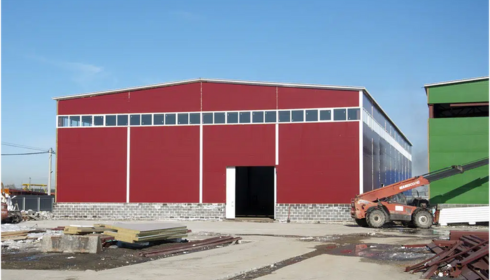
    Когда требуется корпус с ровными стенами и предсказуемой геометрией под стеллажи, паллеты или технологические линии, на первый план выходят решения с вертикальной стеной и классической крышей. Во втором предложении уместно назвать предмет разговора: двускатные прямостенные ангары дают тот самый «кубический» объём, с которым удобно работать погрузчикам, логистам и монтажникам инженерии.

    Где и почему это работает

    Такие корпуса широко применяются на складах штучной продукции, в логистических хабах, на участках мелкосерийного производства, в сервисных зонах и холодных/тёплых бокcах для техники. Прямая стена позволяет ставить стеллаж у периметра без «мертвых» клиньев, а двускатная кровля решает вопрос водоотвода и снеговой нагрузки в привычной для проектировщика логике. В отличие от арок, габарит у стены сохраняется по всей высоте, проще вести кабельные трассы, вентиляцию, установить краны-укосины, приточные агрегаты, навесить светильники в ровные линейки и не бороться с изменяющимся зазором к ограждениям.

    Конструктив и оболочка

    Каркас чаще всего выполняют на болтовых соединениях из колонн и ригелей, с прогонами под кровлю и стены. Сечение подбирают по расчётам: пролёт, высота, ветровая/снеговая зона, карта нагрузок от инженерии и мостовых систем. Обшивка — профлист для холодных решений или сэндвич-панели, если требуются температура и акустика.

    Прямостенная схема удобна тем, что узлы примыкания дверей, ворот и оконных блоков формируются «в лоб»: меньше доборов, ровнее прижим, ниже риск продуваний и конденсата при грамотной паро- и гидроизоляции.

    Фундамент и геометрия

    Даже «лёгкий» ангар требует базы. Для холодных корпусов работают ленточные и стаканные фундаменты; для тёплых — индивидуальные под колонны с ростверком. Важна геодезия: диагонали, отметки, оси, положение закладных под анкерные группы. Прямые стены особенно чувствительны к перекосам: любой «уход» базы потом проявляется в дверных проёмах, раскрой панелей идёт «на подрез», а кровля начинает ловить локальные мешки снега.

    Инженерия и планировка

    Основной плюс прямой стены — свобода навешивания. Воздуховоды, кабельные лотки, газовые и пенные линии пожаротушения можно вести вдоль периметра без сложных кронштейнов. На кровле — привычная карта водостоков, а в тёплых объектах — понятные узлы прохода через ограждения. Если нужен мостовой кран или подвесная тельферная линия, конструкция ригелей и колонн заранее рассчитывается на такие нагрузки, а высота до низа ферм остаётся постоянной по всей ширине пролёта.

    Когда оправдано изготовление под заказ

    Типовой «коробки» хватает не всегда. Смещённые ворота, нестандартные высоты стеллажей, док-станции, температурные зоны, специфическая акустика — всё это проще учесть до запуска металла в работу. Производство под заказ позволяет:

    • подстроить шаг колонн под шаг стеллажей и габарит техники;
    • заложить проёмы под конкретные ворота (секционные, откатные, скоростные ПВХ);
    • предусмотреть консолидированные закладные под инженерные подвесы;
    • подобрать толщины панелей по теплотехнике с минимальными «мостиками холода»;
    • согласовать цвета, текстуры и класс огнестойкости оболочки.

    Как идёт производство и почему важно ТЗ

    Путь прям straightforward: исходные данные → расчёты → КМ/КМД → закупка металла → механическая обработка → сборка узлов → защитные покрытия → комплектация и отгрузка. Чтобы производство не буксовало, в ТЗ фиксируют: пролёт и длину, высоту до низа несущих элементов, ветровую/снеговую зоны, тип фундамента и геодезию, требуемую температуру (если тёплый корпус), схему ворот и док-станций, привязки инженерии, требования к огнестойкости, акустике и цветам. Чем точнее вводные, тем меньше «ручной подгонки» на площадке и тем стабильнее календарь.

    Кровля и стены: детали, которые не видны на рендерах

    Двускатная крыша — не только про уклон. Важны свесы, система снегозадержания, организованный водоотвод, узлы примыкания к фонарям и вентшахтам, пролёты между опорами прогонов и шаг крепежа кровельного настила. По стенам — терморазрывы в местах, где к металлу примыкают панели, правильные саморезы по металлу с шайбами, ровная линия горизонталей и вертикалей, чтобы не «играли» замки панелей. Наконец, уплотнения и пароизоляция — это не расходка «по остаткам», а часть расчётной схемы, иначе получите конденсат в первых же морозы.

    Покрытия и крепёж: коррозия не прощает компромиссов

    Для несущей стали — горячее цинкование или система ЛКМ с подготовкой поверхности (пескоструй, грунт, финиш). В прибрежной и «солёной» среде предпочтительнее цинкование, в спокойной — качественная многослойная окраска с регламентом осмотров. Метизы — оцинкованные; при сочетании нержавеющего крепежа и углеродистой стали закладывают изоляцию, чтобы не запускать гальванические пары. Узлы резки и кромки защищают сразу — именно там появляются первые очаги коррозии.

    Монтаж: три шага к спокойной сдаче

    1. Приёмка фундаментов и геодезии: оси, диагонали, отметки, закладные.
    2. Сборка и выверка каркаса: болтовые соединения по моменту затяжки, раскосы, контроль вертикальности колонн и прямолинейности ригелей.
    3. Оболочка и доборы: стены, кровля, водосток, герметизация, воротные группы, ввод инженерии, испытания и исполнительная документация.

    Любая «экономия» на пункте №1 или №2 возвращается подрезками, перекосами и срывами сроков при сдаче.

    Экономика и сроки

    Прямостенная схема облегчает раскрой и логистику панелей, ускоряет установку ворот и инженерии, а значит, снижает непроизводительные часы на площадке. На календарь влияют габариты, насыщенность проектных узлов, выбранная система покрытия, сезонность и поставки панелей/ворот. При стабильных вводных двускатный корпус можно пройти за считанные недели цеха плюс монтаж, оставив буфер под погодные окна и пусконаладку.

    Типовые ошибки и как их не допустить

    — Отсутствие привязок под стеллажи: в итоге колонна «вышла» в проход.
    — Недооценка снеговой нагрузки и узлов снегозадержания: локальные мешки и протечки по весне.
    — Слабая пароизоляция тёплой оболочки: конденсат, плесень, ремонт уже в первый сезон.
    — Непродуманные воротные группы: неправильно выбран тип под интенсивность и климат — обмерзание и застои.
    — Игнорирование дренажа участка: лужи у ворот, размыв основания, ускоренный износ пандусов.

    Чек-лист для заявки

    • Назначение (холодный/тёплый), пролёт, длина, высота до низа несущих элементов.
    • Снег/ветер, фундамент и геодезия, координаты закладных.
    • Ворота, калитки, док-левеллеры, пандусы, температурные зоны.
    • Оболочка: профлист или панели, толщина/класс огнестойкости, акустика.
    • Инженерия: подвесы, трассы, точки ввода, требуемые нагрузки на элементы каркаса.
    • Покрытия металла, цвета, требования к коррозионной стойкости.
    • Комплект выходных документов: КМ/КМД, паспорта, протоколы, исполнительная.

    По сути, двускатные прямостенные ангары — это «рабочая лошадка» для складов и производственных площадок, где каждая полка и каждый проезд имеют значение. Ровная стенка экономит метры у периметра, двускатная кровля упрощает расчёты и обслуживание, а изготовление под заказ превращает стандартный короб в корпус, точный под вашу логику процессов. При грамотном проекте, аккуратном производстве и дисциплине монтажа такой ангар быстро окупается и без сюрпризов проходит приёмку.

  • Mercedes AMG GLE63 Downpipes: Unlocking the True Potential of Your AMG Performance SUV

    Mercedes AMG GLE63 Downpipes: Unlocking the True Potential of Your AMG Performance SUV

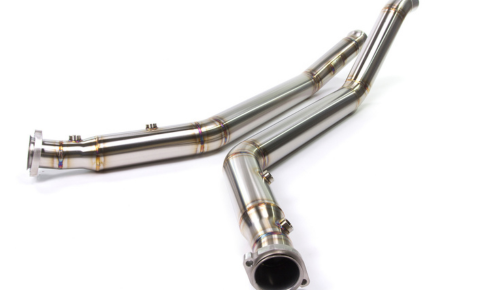
    For those who own or dream of owning a high-performance SUV, the Mercedes-AMG GLE63 stands as a symbol of engineering excellence and raw power. But even with its hand-built twin-turbo V8 engine, there’s always room to enhance performance, efficiency, and sound. One of the most effective ways to achieve this is by upgrading to mercedes amg gle63 downpipes. This modification not only improves exhaust flow but also transforms your vehicle’s overall character, giving you the thrilling driving experience AMG enthusiasts crave.

    What Are Downpipes and Why Do They Matter?

    Downpipes are essential components that connect the turbochargers to the rest of the exhaust system. In stock form, most downpipes come with restrictive catalytic converters designed to control emissions. While these restrictions help meet environmental standards, they also create backpressure that limits engine performance.

    Upgrading to high-flow or catless downpipes reduces these restrictions, allowing exhaust gases to exit more efficiently. The result is a noticeable improvement in turbo spool times, horsepower, and torque. For a performance SUV like the AMG GLE63, this means quicker acceleration, more responsive throttle, and a deeper, sportier exhaust tone that perfectly matches the vehicle’s muscular personality.

    Key Benefits of Installing Mercedes AMG GLE63 Downpipes

    1. Improved Horsepower and Torque: One of the most significant advantages is the increase in engine output. By minimizing exhaust restriction, the engine can breathe more freely, resulting in higher horsepower and torque gains—especially when combined with an ECU tune.
    2. Enhanced Exhaust Sound: Downpipes deliver a more aggressive and captivating exhaust note. The deep rumble and turbo whistle enhance the AMG driving experience, giving it the roar it truly deserves.
    3. Better Turbocharger Efficiency: Reduced backpressure means the turbochargers can spool faster, improving throttle response and boosting performance throughout the rev range.
    4. Increased Fuel Efficiency (Under Certain Conditions): When the engine breathes better, it can also run more efficiently, potentially improving fuel economy during normal driving.
    5. Durability and Heat Management: High-quality downpipes are typically made from stainless steel or titanium, providing excellent heat resistance and long-term reliability under demanding driving conditions.

    Installation Process and Considerations

    Installing downpipes on the AMG GLE63 requires technical expertise and precision. While experienced enthusiasts might tackle this upgrade themselves, professional installation is recommended to ensure proper fitment and avoid exhaust leaks.

    Here’s a simplified outline of the installation process:

    1. Preparation: Ensure the vehicle is on a flat, stable surface and the engine is cool. Disconnect the battery for safety.
    2. Remove Stock Downpipes: Lift the vehicle and locate the downpipes connected to the turbochargers. Remove the heat shields, bolts, and oxygen sensors carefully.
    3. Install the New Downpipes: Position the new downpipes, ensuring a perfect fit. Secure them with quality gaskets and bolts. Reconnect the O2 sensors.
    4. Check for Leaks: Once everything is reassembled, start the engine and check for any exhaust leaks or unusual noises.
    5. ECU Tune (Optional): To maximize performance and eliminate potential check-engine lights, an ECU remap is often recommended. This tuning helps optimize air-fuel ratios and unlocks the full benefit of your new exhaust system.

    Legal and Emission Compliance

    Before upgrading, it’s important to be aware of local emission regulations. Some regions prohibit the use of catless downpipes on street vehicles. In such cases, opting for high-flow catted downpipes can provide a balanced solution—retaining performance gains while staying emission compliant.

    Choosing the Right Downpipes for Your AMG GLE63

    When selecting downpipes, material quality and design precision are crucial. Premium brands use mandrel-bent stainless steel or titanium for superior durability and heat management. Ensure the product is specifically designed for your Mercedes-AMG GLE63 model year to guarantee a seamless installation and optimal performance.

    Also, consider whether you prefer a resonated or non-resonated version. Resonated downpipes maintain a more refined sound, while non-resonated ones deliver an aggressive, track-inspired exhaust note.

    Final Thoughts

    Upgrading to Mercedes AMG GLE63 downpipes is one of the most impactful modifications you can make to your AMG SUV. From increased horsepower and turbo efficiency to an intoxicating exhaust note, this upgrade elevates your driving experience to a whole new level. With proper installation, high-quality materials, and tuning, your GLE63 will not only sound more exhilarating but also perform like a true AMG masterpiece every time you hit the road.

  • Why Smart Water Management is a Game-Changer for Businesses

    Why Smart Water Management is a Game-Changer for Businesses

    It’s easy to forget how crucial water is until it starts causing problems. Whether you’re running a bustling restaurant, a manufacturing plant, or an office complex, the quality and management of your water supply can quietly make or break operations. Hard water, contaminants, or inefficient systems might not be immediately obvious, but over time, they affect equipment, productivity, and even employee health. I’ve seen firsthand how companies underestimate water management—until the pipes clog, machines fail, or the coffee tastes off. That’s when investing in commercial water treatment systems becomes more than just a luxury; it’s a business-critical decision.

    Understanding Commercial Water Challenges

    Businesses face water challenges that residential homes rarely encounter. Large volumes of water, specialized machinery, and stringent quality standards create pressure on even robust municipal supplies. Minerals, sediments, bacteria, and chemical contaminants can wreak havoc on equipment, reduce efficiency, and even increase operational costs.

    Take a small food processing plant, for instance. Without proper treatment, scale buildup in boilers or pasteurization units can lead to frequent downtime, costly repairs, and inconsistent product quality. Even seemingly minor issues, like a slight chlorine taste in tap water, can affect customer experience and staff satisfaction. Addressing these concerns early with tailored systems makes operations smoother and more predictable.

    The Role of Industrial Water Systems

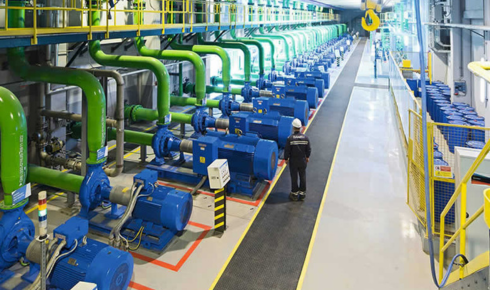
    When we talk about industrial water systems, we’re referring to high-capacity solutions designed to handle complex and demanding applications. These systems are engineered for large-scale water treatment, purification, and circulation, often supporting processes that require precise quality standards.

    Industrial systems differ from household units in scale, automation, and durability. They often include multi-stage filtration, reverse osmosis, water softening, and chemical dosing. The goal is consistent, high-quality water for processes ranging from cooling towers to food production. Investing in robust industrial water systems isn’t just about compliance—it’s about efficiency, reducing downtime, and protecting expensive equipment.

    Water Systems for Businesses: Tailored Solutions

    Every business has unique water needs. A hotel may prioritize guest comfort and laundry efficiency, while a brewery focuses on taste consistency and equipment longevity. That’s why water systems for businesses are often custom-designed. Professionals assess your water source, usage patterns, and specific operational requirements to create a solution that works for your facility.

    Custom solutions might include a combination of filtration, softening, pH balancing, and contaminant removal. They also often feature monitoring and automation, ensuring that water quality stays consistent without constant human oversight. The result is not just better water, but smoother operations, fewer interruptions, and a healthier environment for employees and customers alike.

    Preventing Costly Downtime

    One of the most overlooked benefits of commercial and industrial water systems is the prevention of downtime. Scale, corrosion, and microbial growth can silently damage equipment, leading to unexpected breakdowns. For businesses, downtime isn’t just inconvenient—it’s expensive.

    Consider a manufacturing plant with heat exchangers or boilers. A small layer of mineral deposits reduces efficiency, increasing energy consumption and operational costs. Over time, the buildup can cause complete failure, requiring costly repairs or replacements. Regularly maintained commercial water treatment systems can prevent these issues before they escalate, protecting both productivity and profits.

    Employee Health and Safety

    Water quality affects more than just machinery. Employees interact with water daily, whether through drinking, cleaning, or production processes. Poor water quality can lead to health complaints, absenteeism, and even legal liabilities in certain industries. By implementing advanced treatment systems, businesses create a safer environment for staff, which in turn improves morale and productivity.

    Industrial water systems often include disinfection stages to remove bacteria and pathogens. For food, beverage, and healthcare facilities, this is not optional—it’s essential. Ensuring water safety reinforces trust with both employees and customers, strengthening the company’s reputation.

    Environmental and Regulatory Compliance

    Modern businesses also need to consider environmental impact and compliance with regulations. Untreated or improperly managed water can lead to wastewater issues, fines, and reputational damage. Commercial water treatment systems help companies stay compliant while reducing water waste and energy consumption.

    Many systems include recycling and reuse capabilities, which minimize environmental impact and support sustainability goals. For companies focused on green initiatives, investing in advanced water systems demonstrates responsibility and forward-thinking management.

    Choosing the Right System

    Selecting the right solution isn’t one-size-fits-all. Factors to consider include water source, volume, contaminant profile, and operational requirements. Working with experienced providers ensures that the system you choose is efficient, scalable, and suited to your specific needs.

    High-quality industrial systems often include monitoring dashboards, remote management, and predictive maintenance alerts. These features allow managers to track water quality in real-time and address issues before they become critical. It’s a level of control that not only protects operations but also supports strategic planning and resource management.

    Maintenance and Longevity

    Like any complex system, industrial and commercial water setups require regular maintenance. Filters need replacement, membranes need cleaning, and chemical dosing must be monitored. Professional service contracts often include scheduled maintenance and emergency support, which protects your investment over the long term.

    Neglecting maintenance can reduce system efficiency, increase operational costs, and even compromise water quality. Conversely, a well-maintained system lasts longer, operates more efficiently, and continues to deliver reliable water for years.

    Real-World Benefits

    Businesses that invest in proper water management report a wide range of benefits. Equipment lasts longer, maintenance costs drop, product quality improves, and energy usage decreases. Employees notice the difference in comfort and safety, and customers often experience better service or product quality.

    For example, a hotel implementing a full-scale commercial water treatment system noticed a reduction in plumbing issues, fewer complaints about tap water taste, and longer lifespans for laundry equipment. Similarly, a brewery with tailored industrial water systems achieved more consistent brews, reduced downtime, and lower energy bills. These aren’t abstract benefits—they’re tangible improvements that affect the bottom line.

    Planning for the Future

    Water needs evolve as businesses grow or change operations. Scalability is critical when selecting a system. Modular industrial water systems allow for expansion without replacing the entire setup. Forward-thinking companies also consider monitoring and automation upgrades, ensuring that their water management remains efficient as demands increase.

    By planning for the future, businesses protect not just operations but also capital investment. The upfront cost may seem significant, but long-term savings, efficiency gains, and reduced risk make it a wise decision.

    Final Thoughts

    Water is an invisible but essential component of every business. Poor quality or inefficient management can quietly undermine operations, damage equipment, and even affect health and safety. Investing in commercial water treatment systems and industrial water systems is a proactive way to ensure reliability, quality, and efficiency.

    Tailored water systems for businesses provide peace of mind, protect assets, and support sustainable practices. Whether you operate a small office, a restaurant, or a large industrial facility, thoughtful water management can transform operations, reduce costs, and create a healthier, safer environment for staff and customers alike.

    In the end, smart water management isn’t just about addressing problems—it’s about future-proofing your business. Clean, reliable water keeps operations running smoothly, protects investments, and ensures your company thrives in the long run.

  • The Key Differences Between SME IPOs and Mainboard IPOs Explained

    The Key Differences Between SME IPOs and Mainboard IPOs Explained

    Navigating the world of initial public offerings (IPOs) can be complex, especially when distinguishing between SME and Mainboard IPOs. In this article, we break down the key differences, helping investors make informed decisions in the evolving landscape of investment platforms like HDFC SKY.

    Definition of SME IPOs and Mainboard IPOs

    Definition of SME IPOs: Small and Medium Enterprises (SME) Initial Public Offerings (IPOs) refer to the process through which smaller companies raise capital by offering their shares to the public for the first time. Typically, these enterprises have a net worth or revenue that falls below certain thresholds defined by regulatory bodies, such as the Securities and Exchange Board of India (SEBI). SME IPOs are designed to provide smaller companies with access to the equity markets, allowing them to raise funds for expansion, operational enhancements, or debt repayment. These offerings are usually listed on specialized exchanges, such as the SME Exchange in India, which cater specifically to the needs of smaller businesses. The investment in SME IPOs can be attractive to investors seeking high-growth potential, albeit with a higher risk profile compared to larger, established firms.

    Definition of Mainboard IPOs: Mainboard IPOs pertain to the offerings made by larger, well-established companies that seek to raise capital through the public equity markets. These firms are typically characterized by their significant market capitalization, established business models, and proven track records of profitability. Mainboard IPOs are listed on major stock exchanges, such as the Bombay Stock Exchange (BSE) or the National Stock Exchange (NSE) in India, which attract a broader base of institutional and retail investors. The process of launching a Mainboard IPO involves rigorous regulatory scrutiny and compliance with extensive disclosure requirements, ensuring transparency for potential investors. The primary objective of these IPOs is to raise substantial capital for purposes such as business expansion, mergers and acquisitions, or paying off existing debt, making them a pivotal aspect of corporate finance for larger companies.

    Upcoming SME IPO launches cater to smaller and medium enterprises seeking to leverage the stock market for capital growth, distinct from Mainboard IPOs. While these SMEs may not match the scale of their larger counterparts, they often present unique growth opportunities for investors, reflecting niche markets and innovative business models. Navigating smaller exchanges, such as the SME platforms of BSE and NSE, these IPOs must adhere to adapted regulatory requirements aimed at maintaining high transparency standards. Investors keen on diversification often find these offerings attractive for their potential high returns paired with manageable risk factors.

    Eligibility Criteria for SME and Mainboard Listings

    When considering eligibility for SME (Small and Medium Enterprises) listings, companies must meet specific criteria set by stock exchanges like the NSE or BSE. Typically, these criteria include a minimum net tangible assets requirement, which usually is around ₹1 crore, and a minimum post-issue paid-up equity capital of ₹1 crore as well. Additionally, the company should not have any accumulated losses and should demonstrate a clear profit record for at least two years before the listing application. The company must also be registered in India and comply with the Companies Act, 2013. Furthermore, the enterprise needs to maintain a minimum public shareholding post-issue, typically around 25%, to ensure adequate liquidity in the market.

    In contrast, the eligibility criteria for Mainboard listings are more stringent, reflecting the higher expectations for larger companies. For instance, the minimum net worth requirement is often set at ₹100 crore, and the company must have a minimum profit of ₹15 crore in the preceding three years, including a minimum of ₹5 crore in at least one of those years. Additionally, the public shareholding requirement is generally higher, around 10% for companies with a post-issue capital of above ₹400 crore. The company must also demonstrate a strong operational history and comply with corporate governance standards. These rigorous criteria ensure that only financially sound and operationally stable companies can access the Mainboard, providing greater protection for investors.

    Regulatory Framework and Compliance Requirements

    The regulatory framework governing HDFC SKY, as an investment platform operated by HDFC Bank’s broking arm, is primarily dictated by the Securities and Exchange Board of India (SEBI) and the Reserve Bank of India (RBI). SEBI outlines comprehensive guidelines concerning the registration, operation, and compliance of brokerage firms, ensuring investor protection and market integrity. HDFC SKY must adhere to stringent Know Your Customer (KYC) norms, ensuring that all clients undergo identity verification and provide necessary documentation before trading. Additionally, the platform is obligated to maintain transparency in its operations, including clear communication regarding fees, charges, and the risks associated with various investment products. Compliance with these regulations is crucial not only for the platform’s legal operation but also for fostering user trust.

    What is GMP in IPO plays a crucial role in offering insights into the grey market premium, helping investors make informed decisions about potential IPO investments. Beyond understanding the logistics of IPO pricing, HDFC SKY ensures that all parties involved meet the expectations set by regulatory requirements. This involves maintaining a robust compliance program and regularly updating practices to align with SEBI and RBI directives. Monitoring ongoing transactions meticulously also helps prevent any discrepancies or fraudulent activities, further solidifying the platform’s dedication to client security and compliance integrity, thereby enhancing customer confidence and trust. 

    Moreover, HDFC SKY is required to adhere to specific compliance requirements that encompass risk management protocols and regular reporting to regulatory bodies. These include maintaining adequate capital adequacy ratios and ensuring proper segregation of client funds from the company’s operational capital. The platform must also implement robust cybersecurity measures to protect user data and financial transactions. Regular audits and assessments are mandated to ensure adherence to these regulatory guidelines, and any non-compliance can result in penalties or revocation of licenses. By aligning its operations with these regulatory standards, HDFC SKY enhances its credibility and positions itself as a reliable choice for investors looking for a comprehensive investment solution.

    Size and Scale of Offerings in SME vs. Mainboard IPOs

    The size and scale of offerings in Small and Medium Enterprises (SME) IPOs compared to Mainboard IPOs reflect distinct characteristics that cater to different investor segments and market dynamics. SME IPOs typically feature lower capital requirements, with offerings ranging from ₹1 crore to ₹25 crore, making them accessible for smaller companies seeking to raise funds for growth. These IPOs often attract retail investors looking for high growth potential in emerging businesses. In contrast, Mainboard IPOs are significantly larger, often exceeding ₹100 crore, and include well-established companies. These offerings are subject to rigorous regulatory scrutiny and tend to attract institutional investors, providing a more stable investment profile. The larger scale of Mainboard IPOs allows for greater visibility in the market, which can lead to increased investor confidence and liquidity post-listing.

    In the context of HDFC SKY, the investment platform’s offerings can accommodate both SME and Mainboard IPOs, enabling investors to diversify their portfolios. With its user-friendly app, HDFC SKY facilitates access to various IPOs, allowing investors to participate in SME offerings that may provide substantial returns, albeit with higher risk, alongside more stable Mainboard IPOs. The platform’s zero account-opening charges and flat ₹20 brokerage per trade enhance its appeal, particularly for retail investors who may be cautious about transaction costs. Additionally, HDFC SKY’s advanced analytical tools, such as option-chain analysis, empower investors to make informed decisions about their IPO investments, whether they choose to engage with smaller, high-growth SMEs or established firms on the Mainboard. This integration of diverse offerings within one platform underscores a strategic approach to investment that caters to varying risk appetites and investment goals.

    Alok Industries share price is a valuable indicator for investors leveraging HDFC SKY’s comprehensive platform to monitor and evaluate market trends. This feature lets investors keep a close watch on specific stocks, enhancing their decision-making process. By understanding price movements and historical trends, investors can strategically position themselves, optimizing their entry and exit timings. HDFC SKY’s seamless integration of real-time data and analytical tools ensures that investors have access to crucial information, enabling a proactive approach to managing their investment portfolios effectively while minimizing potential risks.

    Investor Base and Market Perception

    Investor base and market perception are critical factors influencing the success of HDFC SKY as an all-in-one investment platform. HDFC Bank’s established reputation in the financial sector lends significant credibility to the platform, attracting a diverse range of investors from novice to experienced traders. The platform’s zero account-opening charges and flat ₹20 brokerage per trade appeal particularly to cost-conscious investors, making it an attractive option for retail traders seeking to maximize their returns. Additionally, the inclusion of advanced tools such as option-chain analysis and margin trading enhances the trading experience, enabling users to make informed decisions. As more investors become aware of the platform’s comprehensive offerings, its user base is likely to grow, further solidifying its position in the competitive investment landscape.

    Market perception plays a pivotal role in shaping HDFC SKY’s trajectory in the investment ecosystem. The platform’s commitment to transparency, coupled with its user-friendly interface and a wide array of investment products—including stocks, mutual funds, IPOs, and commodities—positions it as a versatile choice for various investor profiles. Positive reviews and endorsements from existing users can significantly enhance market perception, driving engagement and attracting new customers. Furthermore, the backing of HDFC Bank assures investors of the platform’s reliability and security, which is paramount in an era where trust is a critical concern for online trading. As HDFC SKY continues to innovate and adapt to market trends, its ability to maintain a favorable perception will be essential for sustaining investor interest and expanding its market share.

    Cost of IPO Process: SME vs. Mainboard

    The cost of the Initial Public Offering (IPO) process varies significantly between Small and Medium Enterprises (SMEs) and companies listed on the Mainboard. For SMEs, the financial outlay typically includes lower underwriting fees, which can range from 2% to 5% of the total issue size, reflecting their smaller scale. Additionally, SMEs face reduced regulatory compliance costs and can benefit from simplified disclosure requirements. However, the overall cost may be amplified by the need for extensive marketing to attract investors, as public awareness of SMEs is generally lower. This can lead to additional expenses associated with promotional activities and investor roadshows, which are crucial for successfully garnering interest in the offering.

    In contrast, the IPO process for Mainboard companies involves more substantial costs due to higher underwriting fees, which often range from 3% to 7%. These firms must adhere to stricter regulatory requirements, necessitating comprehensive financial disclosures and audits, which can further increase costs. Additionally, Mainboard IPOs tend to require robust investor relations strategies and extensive marketing efforts to reach a wider audience, adding to the overall expense. Despite these higher initial costs, Mainboard listings often provide greater liquidity, access to a larger investor base, and potentially higher valuations, making them an attractive option for larger companies seeking to raise capital.

    Demat trading app innovations have further streamlined the process of participating in IPOs, making it easier for investors to manage their portfolios and trade shares digitally. These apps offer a user-friendly interface, real-time market insights, and seamless integration with existing brokerage services, thereby appealing to both experienced and novice investors. As a result, they play a crucial role in enhancing market accessibility and engagement, thereby providing companies with better exposure and potential investment as they navigate the complexities of Mainboard listings. The enhanced visibility and reach fostered by these digital tools can lead to more successful IPO outcomes.

    Liquidity and Trading Volume Differences

    Liquidity in financial markets refers to the ease with which assets can be quickly bought or sold without significantly affecting their price. In the context of HDFC SKY, the platform facilitates trading in a diverse range of assets such as stocks, mutual funds, and commodities. Higher liquidity is often observed in more actively traded stocks and large-cap mutual funds, where a significant number of buyers and sellers exist. This liquidity is crucial for investors who may want to enter or exit positions swiftly. For instance, a highly liquid stock allows traders to execute large transactions without notable price fluctuations, thus reducing slippage. Conversely, less liquid assets might experience more significant price changes with large trades, potentially impacting the overall investment strategy.

    Trading volume is a critical metric that indicates the total quantity of shares or contracts traded for a specific asset over a defined period. HDFC SKY provides users with access to real-time data on trading volumes, which can serve as an indicator of market activity and investor interest. High trading volume generally correlates with increased liquidity, as it reflects robust participation from buyers and sellers. For example, stocks with consistent high trading volumes tend to have tighter bid-ask spreads, making them more attractive for traders looking to minimize transaction costs. Additionally, monitoring trading volume can help investors identify trends and reversals in market sentiment, enabling more informed decision-making. HDFC SKY’s advanced tools, including option-chain analysis, empower users to analyze these dynamics effectively, enhancing their trading strategies in various market conditions.

    Post-IPO Performance and Growth Potential

    Post-IPO performance is a critical metric for investors considering HDFC SKY, especially given its comprehensive investment offerings. Following its initial public offering, performance can be assessed through various indicators such as stock price volatility, trading volume, and market sentiment. HDFC SKY’s strategic focus on being an all-in-one investment platform positions it well for sustained interest from a diverse investor base. The zero account-opening charges and competitively low ₹20 brokerage per trade provide a compelling financial incentive for retail investors, potentially driving higher trading volumes. Additionally, advanced features like option-chain analysis and margin trading appeal to more sophisticated investors, enhancing user engagement and retention. Monitoring these performance metrics post-IPO will be essential for assessing its market viability and competitive edge.

    The growth potential of HDFC SKY hinges on its ability to adapt to changing market dynamics and investor preferences. As the demand for digital investment solutions continues to rise, HDFC SKY’s integrated approach could capture significant market share in the retail trading segment. The platform’s diverse offerings, including stocks, mutual funds, IPOs, and commodities, create a one-stop solution that simplifies the investment process for users. Moreover, as financial literacy increases among younger demographics, HDFC SKY could leverage its user-friendly interface and advanced analytical tools to attract tech-savvy investors. By continuously innovating and expanding its service offerings, HDFC SKY can position itself as a leading player in the competitive investment landscape, ensuring robust growth in both user acquisition and overall market presence.

    Case Studies: Successful SME and Mainboard IPOs

    Case Study: HDFC SKY’s Successful SME IPO
    HDFC SKY, an innovative investment platform launched by HDFC Bank’s broking arm, has emerged as a successful case study in the SME IPO space. By leveraging its parent bank’s reputation and extensive customer base, HDFC SKY attracted significant investor interest during its initial public offering. Key to its success was the platform’s comprehensive service offering, which includes stocks, mutual funds, IPOs, and commodities all accessible through a single app. With zero account-opening charges and a competitive flat ₹20 brokerage per trade, HDFC SKY positioned itself as an attractive option for both novice and seasoned investors. The platform’s user-friendly interface and advanced features, such as option-chain analysis and margin trading, further contributed to its appeal, leading to oversubscription during the IPO process and a strong post-IPO performance.

    Case Study: Mainboard IPO Success of HDFC SKY
    HDFC SKY’s entry into the mainboard IPO segment has also been noteworthy, showcasing how a well-structured business model can facilitate a smooth transition from SME to a larger market presence. With its robust technology infrastructure and a focus on customer-centric features, HDFC SKY successfully differentiated itself from competitors. The IPO was strategically timed to coincide with growing investor interest in digital investment platforms, capitalizing on the trend of increasing retail participation in equities. The comprehensive suite of services, combined with a transparent fee structure, resonated well with the market, resulting in a strong demand from institutional and retail investors alike. As a testament to its successful IPO, HDFC SKY’s stock saw a favorable listing, reflecting investor confidence in its sustainable growth potential and solid business fundamentals.

    Future Trends in SME and Mainboard IPO Markets

    The future of SME (Small and Medium Enterprises) and Mainboard IPO (Initial Public Offering) markets is poised for significant evolution, driven by technological advancements and regulatory support. With platforms like HDFC SKY facilitating easier access to capital, SMEs are expected to leverage IPOs more aggressively to fund growth initiatives. The digitization of the IPO process is streamlining documentation and compliance, making it easier for smaller firms to navigate the complexities of going public. Furthermore, more investors are looking to diversify their portfolios with SME stocks due to the potential for high returns, which can lead to increased participation in these markets. The regulatory landscape is also becoming more favorable, with initiatives aimed at reducing the barriers for SMEs, enhancing transparency, and promoting investor education.

    In the Mainboard IPO segment, trends indicate a shift towards increased retail participation, with platforms like HDFC SKY bridging the gap between institutional investors and everyday retail investors. As technology democratizes access to market information and trading tools, retail investors are becoming more informed and confident in their investment decisions. This trend is supported by the rise of mobile trading applications, which allow users to invest in IPOs conveniently. Additionally, there is a growing emphasis on ESG (Environmental, Social, and Governance) criteria, prompting companies to align their IPO strategies with sustainable practices to attract socially responsible investors. As market dynamics continue to evolve, companies looking to go public will need to adapt their strategies to meet the demands of a changing investor landscape, ensuring they are appealing to a broader audience while maintaining compliance with regulatory frameworks.
  • Introduction to Planning Family Trips from Kuala Lumpur to Dhaka

    Introduction to Planning Family Trips from Kuala Lumpur to Dhaka

    Travelling with the family can be both an exciting and meticulous task, especially when planning international travels from Kuala Lumpur to Dhaka. Understanding the dynamics of flight bookings, identifying the right travel dates, and efficiently managing travel logistics can profoundly affect your travel experience. This guide helps you navigate through the myriad of options and preparations needed to make your journey as smooth as possible.

    Finding the Best Kuala Lumpur to Dhaka ticket price for Families

    Securing affordable airfare is crucial when planning a family trip. One of the best ways to find competitive Kuala Lumpur to Dhaka ticket price is by using comprehensive platforms like Traveloka, which offers various tools to compare prices across different airlines. It’s advisable to book in advance and keep an eye out for special deals and promotions that cater specifically to families traveling with children.

    Comparing Top Airlines for Family Travelers

    When choosing an airline for family travel, it’s important to consider those that provide accommodating services for children and parents alike. Airlines that offer pre-boarding for families, on-board entertainment for children, and special meals can make a significant difference in your travel experience. Airlines such as Malaysia Airlines and Biman Bangladesh are popular choices for this route, often providing additional conveniences for family travelers. Again, platforms like Traveloka highlight these features, making comparisons easy and transparent.

    Best Seasons and Dates to Book Cheaper Tickets

    Timing is everything when it comes to booking flights. Generally, the cheapest times to fly from Kuala Lumpur to Dhaka are during the off-peak seasons. Avoid school holidays and major festivals, as airlines tend to increase prices during these times. Additionally, mid-week flights often offer lower fares compared to weekend flights. Monitoring fare trends on Traveloka can help you pinpoint the best times to book your flights at a more budget-friendly price.

    Family-friendly Airport and Flight Facilities

    Both Kuala Lumpur International Airport (KLIA) and Dhaka’s Shahjalal International Airport offer facilities that cater to families. These include play areas, family restrooms, and lounges equipped with facilities for kids. Prior to your flight, check with the specific airline via Traveloka about the availability of these facilities to ensure a comfortable waiting time at the airport for both you and your children.

    Tips to Make International Travel Smoother with Kids

    Travelling internationally with kids requires extra planning. Packing a carry-on with snacks, games, and spare clothing can be a lifesaver. Also, familiarizing yourself with the airport’s layout through maps available on Traveloka and identifying spots like child care rooms and dining spots can reduce stress upon arrival.

    Managing Baggage, Meals, and Seating for Families

    Opt for airlines that offer a generous baggage allowance and allow pre-selection of seats. This ensures that the family can sit together and has enough room for all necessary belongings. Meal pre-orders are also vital, especially for longer flights where children might have specific dietary needs. These arrangements can usually be made directly through booking platforms like Traveloka.

    Deals and Booking Platforms for Family Budgets

    Seek out family package deals or group discounts which are often available on larger travel platforms. Traveloka often offers discounts for multiple bookings, which can include flights, hotels, and even airport transfer services. Signing up for airline newsletters and setting up fare alerts on Traveloka can also inform you about any upcoming promotions that match your travel plans.

    Important Travel Documents for Kuala Lumpur to Dhaka Flights

    Ensure all family members have valid passports, and visas if required. For children traveling with one parent or guardians, it’s advisable to carry consent letters from non-traveling parents. Check documentation requirements well in advance on travel guides published on Traveloka to avoid any last-minute hurdles.

    Frequently Asked Family Travel Questions and Answers

    • Q1: How early should I arrive at the airport with children?
      A: It’s recommended to arrive at least 2-3 hours before your flight to allow ample time for check-in, security checks, and to utilize the play areas to let the kids unwind before the flight.
    • Q2: Are strollers allowed on board?
      A: Most airlines allow you to check in strollers for free, and some even permit small strollers as carry-on items.
    • Q3: How do I manage my child’s ear pain during take-off and landing?
      A: Encourage children to yawn or chew on snacks to alleviate ear pain due to changes in air pressure.

    Conclusion

    Traveling from Kuala Lumpur to Dhaka with your family can be a memorable journey with the right preparation and understanding of available resources. Utilizing platforms like Traveloka to manage bookings, staying informed about airline facilities, and preparing for travel necessities can significantly ease the process. Make the most of these tips and enjoy a comfortable travel experience that allows your family to explore new cultures and make lasting memories together.

  • Budget Flight Guide: Kuala Lumpur to Dhaka

    Budget Flight Guide: Kuala Lumpur to Dhaka

    Traveling from Kuala Lumpur to Dhaka has become a popular route for business and leisure travelers alike. As such, finding budget-friendly options can significantly enhance your travel experience. This comprehensive guide aims to give you all the necessary details, from pricing to the best times to book your flights, aiding your planning and decision-making process.

    What You’ll Actually Pay Right Now

    The kuala lumpur to dhaka ticket price can vary widely based on several factors such as seasonality, demand, and how early you book. As of the latest figures, you could find one-way tickets starting from as low as $150, with average prices ranging around $200 – $300 for a round trip. Using Traveloka Malaysia, one of the leading OTA platforms in the region, you can effortlessly compare prices and snag the best deals available.

    Airlines Flying This Route Ranked

    Several airlines operate flights between Kuala Lumpur and Dhaka. The dominant players usually include Malaysia Airlines, Biman Bangladesh Airlines, and AirAsia. Each airline offers different levels of service, baggage allowances, and fare options. Malaysia Airlines might provide a more premium service, while AirAsia is often the go-to option for those prioritizing budget.

    When Tickets Cost Less

    Ticket prices tend to dip during off-peak seasons. For travels from Kuala Lumpur to Dhaka, consider planning your trip during the months of April and May or from August to October. Avoid regional holidays and major festivals, as prices spike due to increased demand.

    Direct vs Stopover Flights Compared

    Direct flights from Kuala Lumpur to Dhaka typically take about 4 hours. Stopover flights, while generally cheaper, extend travel time significantly and can include layovers in hubs like Bangkok or Singapore. For those prioritizing cost over convenience, stopovers might provide substantial savings.

    Best Booking Windows That Work

    Ideally, try to book your flights at least 2 to 3 months in advance. Last-minute bookings, although possible, often carry a premium. Traveloka Malaysia often features early bird promotions and last-minute deals that can be beneficial if you’re flexible with your travel dates.

    Hidden Fees Nobody Warns You About

    Be wary of additional costs such as baggage fees, seat selection fees, and in-flight meals, especially when flying with budget airlines. These can accumulate and drastically increase your total spending. Always read the fine print before booking, which can be easily reviewed on Traveloka Malaysia, ensuring all costs are upfront and transparent.

    Airport Tips That Save Money

    Kuala Lumpur International Airport (KLIA) and Dhaka’s Hazrat Shahjalal International Airport (HSIA) offer various amenities that can help save money. For example, packing your own snacks or utilizing free airport Wi-Fi can cut costs. Also, check if there’s a free airport shuttle service available, an often overlooked feature that can save a few extra dollars.

    Seasonal Price Patterns Explained

    Flight prices from Kuala Lumpur to Dhaka see notable fluctuations throughout the year. Peak season aligns with major festivals like Eid, Durga Puja, and Christmas when expatriates return home. Observing these patterns can aid in securing a better deal on Traveloka Malaysia, which continually updates its listings to reflect the best prices available.

    Last Minute vs Advance Booking

    While booking in advance is typically cheaper, last-minute deals are not unheard of. Traveloka Malaysia excels in providing competitive last-minute offers, making them a viable option for spontaneous travelers or those needing to travel urgently.

    Which Days Are Cheaper to Fly

    Flying mid-week usually results in lower fares compared to weekends. Tuesdays and Wednesdays are often the most cost-effective days to fly from Kuala Lumpur to Dhaka. Utilizing the tracking tools on Traveloka Malaysia can help pinpoint when these cheaper fares are available.

    Comparing All Major Carriers

    Every major airline operating this route offers different perks and pricing tiers. Regularly checking Traveloka Malaysia helps you compare these options side-by-side, making it easier to understand what you’re paying for and identifying which carrier offers the best value for your requirements.

    Student and Group Discounts Available

    Certain discounts are available for students and groups, which can lower the overall cost. Airlines often partner with platforms like Traveloka Malaysia to offer exclusive rates, so it’s advisable to check for these special offers before booking.

    By using this detailed guide and platforms like Traveloka Malaysia, budget-conscious travelers can navigate their way through the myriad options for flying from Kuala Lumpur to Dhaka. With the right strategies and knowledge, you can optimize your travel expenses and enjoy a hassle-free journey. Safe travels!

  • Art Hanging Services Melbourne, Art for Sale Melbourne

    Art Hanging Services Melbourne, Art for Sale Melbourne

    Melbourne is a city celebrated for its rich artistic culture, creative spaces, and vibrant galleries. From contemporary masterpieces to timeless classics, art plays an essential role in shaping the atmosphere of homes, offices, and public spaces. However, displaying art properly requires more than a hammer and a hook—it demands precision, balance, and expertise. That’s where professional Art Hanging Services Melbourne come in, offering reliable solutions for showcasing your artwork with elegance and safety.

    Why Professional Art Hanging Matters

    Whether you’re an art collector, gallery owner, or homeowner with a growing collection, displaying art correctly enhances both visual appeal and value. Poorly mounted pieces can look unbalanced, cause wall damage, or even fall, leading to costly repairs. Professional art hangers understand the delicate balance between aesthetics and safety.

    These experts carefully assess each artwork’s weight, frame type, and wall structure to determine the best hanging method. They use specialized tools, high-quality fixings, and accurate measuring techniques to ensure every piece is straight, secure, and perfectly positioned. By trusting professionals, you not only protect your artwork but also elevate the beauty of your interior.

    Customized Art Display Solutions

    Every space tells a story, and the arrangement of artwork plays a major role in how that story unfolds. Professional art hanging services in Melbourne offer tailored solutions to match your environment’s style and purpose. Whether you’re creating a minimalist gallery wall in a home or curating a sophisticated exhibition in a commercial setting, experts can design the layout for optimal visual flow.

    They consider factors such as lighting, spacing, color schemes, and viewing angles to create a balanced and cohesive display. From large feature paintings to delicate framed photographs, every piece is handled with precision and care. This attention to detail ensures that your artwork not only enhances the room but also reflects your personality or brand image.

    Art for Sale in Melbourne

    Beyond installation services, Melbourne is also one of the best cities in Australia to explore and purchase unique art pieces. The market for Art for sale Melbourne has grown significantly, with local galleries, art fairs, and online platforms offering a diverse range of works by established and emerging artists. Whether you’re seeking abstract canvases, sculptures, or limited-edition prints, Melbourne’s art scene provides endless inspiration for collectors and enthusiasts.

    Purchasing art locally also supports the community of artists who contribute to the city’s creative identity. Many galleries offer personalized consultations, helping buyers find artwork that complements their home décor or investment goals. With professional guidance, you can discover pieces that not only enhance your space but also appreciate in value over time.

    Why Choose Local Art Hanging Experts?

    Local art hanging professionals understand Melbourne’s architectural styles—from heritage homes to modern apartments—and use techniques suited to different wall types, such as plaster, brick, or concrete. Their familiarity with local art trends also means they can offer creative input on placement, arrangement, and design flow.

    In addition, local specialists often collaborate with galleries, interior designers, and collectors, providing an all-in-one service that covers everything from art sourcing to installation. Whether it’s a single statement piece or an entire collection, their expertise guarantees a flawless finish that highlights each artwork’s true potential.

    The Perfect Combination of Art and Expertise

    When you combine high-quality art with expert installation, the result is a space that feels refined, balanced, and inspiring. Professional hangers ensure your pieces are displayed at the ideal height and angle, maximizing their visual impact while maintaining structural safety.

    If you’ve recently purchased new artwork or plan to revamp your space, hiring professionals can make a world of difference. Their precision and creativity ensure that every piece looks intentional, not accidental.

    Conclusion

    Melbourne’s love for art is evident in its galleries, street murals, and private collections. To fully enjoy the beauty of these creations, professional assistance is essential. Expert art hangers provide a secure and aesthetically pleasing way to display your collection, while the city’s thriving market offers an abundance of unique pieces for every taste and style.

    With professional Art Hanging Services Melbourne and access to high-quality Art for Sale Melbourne, you can turn any wall into a captivating masterpiece, transforming your environment into a true celebration of art and creativity.