
There’s this thing that happens with buildings that nobody really talks about — they age, quietly, in ways you can’t always see. Paint fades, sure, that’s obvious. But the wiring behind the walls? The panel in the utility room? Those things wear down too, just without any visual cue to remind you. And that’s exactly why so many people get blindsided by problems that, honestly, had been building for years.
I’ve noticed a pattern in how people treat their properties. New builds get all the attention — the excitement, the walkthroughs, the “everything’s perfect” glow. But a few years in, that same enthusiasm fades, and the systems keeping the place running start getting ignored. Not on purpose. It’s just easy to forget about what you can’t see.
The Slow Fade Nobody Notices
Here’s the honest truth about most electrical installations — even the well-done ones don’t stay perfect forever. Materials expand and contract with temperature changes. Connections that were snug when installed can loosen ever so slightly over the years. None of this happens overnight, which is sort of the problem. It’s death by a thousand tiny cuts rather than one dramatic failure, and that makes it easy to ignore until it isn’t.
I remember hearing about a small office building where the owner kept brushing off a mildly flickering hallway light for almost a year. Just an annoyance, he figured. Turned out to be a warning sign of a loose neutral connection, the kind of thing that, left alone, could’ve caused real damage. He got lucky. Not everyone does.
Why “Set It and Forget It” Doesn’t Work Here
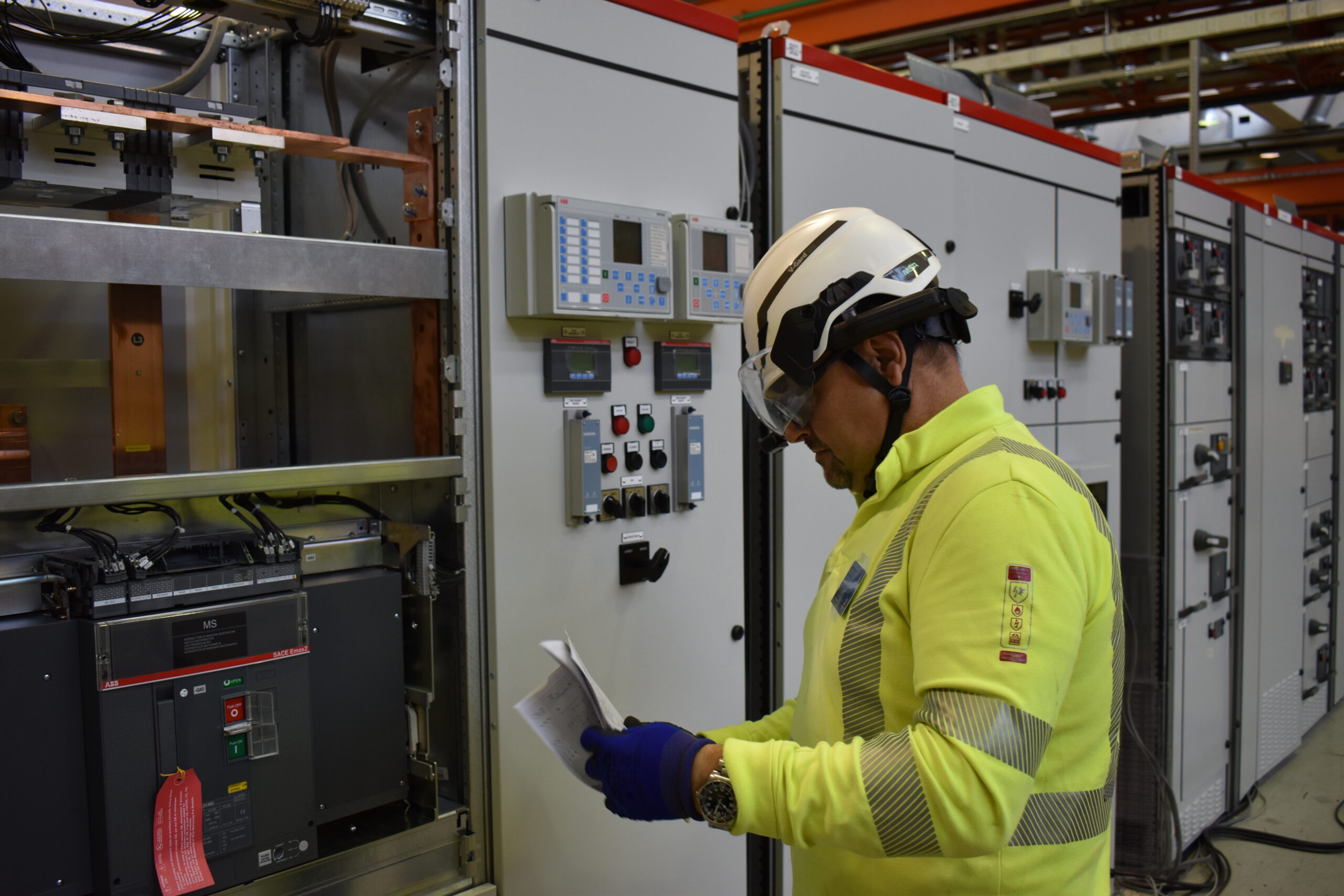
This is where having actual maintenance programs in place makes such a difference, and I don’t mean that in some generic, brochure-speak way. I mean genuinely scheduled, recurring check-ins where someone qualified looks at the bones of your system before anything goes wrong. It’s less exciting than a renovation, sure. Nobody posts before-and-after photos of a breaker panel inspection. But it’s the kind of unglamorous work that quietly prevents the disasters everyone dreads.
What gets me is how often this gets treated as optional, like it’s a nice-to-have rather than a real necessity. But think about it this way — you wouldn’t skip years of dental checkups and expect your teeth to just be fine. Buildings work the same way, just with higher stakes if something actually fails.
What “Fine” Actually Looks Like
People often assume their system is fine simply because nothing’s gone wrong yet. But “nothing’s gone wrong” and “everything’s actually okay” aren’t the same thing, not even close. A system in truly excellent condition isn’t just one that hasn’t failed — it’s one that’s been checked, tested, and confirmed to be handling its load properly, with connections tight and components free from wear that could cause trouble down the line.
That distinction matters more than people realize. You can go years without an obvious problem while your system quietly degrades in the background, and the first sign of trouble might be the last thing you want to deal with — a tripped breaker during a dinner party, or worse, something involving smoke.
A Slightly Different Way to Think About It
I think part of the resistance to all this comes from how invisible good electrical work is. When it’s done right, you genuinely never think about it. There’s no daily reminder, no visual payoff, nothing to admire. It just… works, silently, in the background, day after day. And weirdly, that invisibility is exactly why it’s easy to neglect.
But here’s the thing — the buildings that hold up best over decades aren’t the ones that got lucky. They’re the ones where someone made a habit of checking in, catching the small stuff before it became the big stuff. It’s not glamorous. It’s not something you’ll brag about at a dinner party. But it’s the difference between a property that ages gracefully and one that surprises its owner with an expensive, inconvenient failure at the worst possible time.
So maybe the real takeaway here isn’t some dramatic call to action. It’s smaller than that. It’s just a nudge to stop treating your electrical system like it’ll take care of itself. Because it won’t, not indefinitely anyway. A little attention now, spread out over the years, tends to save you from a whole lot of stress later. And honestly, that’s a trade most of us would take without thinking twice.