
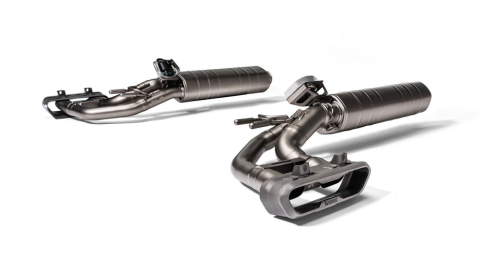
Modern performance SUVs are no longer just luxury family vehicles. Machines like the Lamborghini Urus and the Mercedes G63 AMG W463A combine supercar-level speed with everyday practicality, and owners are constantly looking for ways to unlock even more power and sound. One of the most talked-about upgrades in the aftermarket scene today is the installation of performance downpipes.
For enthusiasts who want sharper throttle response, a louder exhaust note, and increased turbo efficiency, upgrading the factory exhaust system can completely change the driving experience. That’s exactly why lamborghini urus downpipes have become such a popular modification among high-performance SUV owners.
What Are Downpipes and Why Do They Matter?
A downpipe is part of the exhaust system connected directly to the turbocharger. Factory downpipes are often restrictive because manufacturers must meet strict emissions and noise regulations. While this keeps vehicles road legal in many regions, it can also limit airflow and overall engine performance.
Performance downpipes are designed to improve exhaust flow by reducing back pressure. This allows turbochargers to spool more efficiently, which can lead to noticeable gains in horsepower and torque. Drivers also often notice a more aggressive exhaust tone and faster throttle response.
In turbocharged vehicles like the Urus and G63 AMG, the difference can feel surprisingly dramatic, especially when paired with ECU tuning.
Performance Benefits for the Lamborghini Urus
The Lamborghini Urus already delivers incredible factory performance, but many owners want even more excitement from the twin-turbo V8 engine. Upgraded downpipes can help improve airflow efficiency while enhancing the signature exhaust sound that performance enthusiasts love.
One of the biggest reasons people install aftermarket downpipes on the Urus is the deeper, more exotic tone they create. The stock exhaust setup is refined and controlled, while performance downpipes bring out a much more aggressive personality.
Drivers also report improved turbo response at lower RPM ranges, making acceleration feel more immediate. When combined with supporting modifications like intake upgrades or ECU remapping, the gains become even more noticeable.
For enthusiasts who enjoy spirited driving or track events, this type of upgrade can transform the SUV from quick to truly thrilling.
Understanding Catted vs Catless Downpipes
When shopping for aftermarket exhaust upgrades, owners usually choose between catted and catless systems. Both options offer advantages depending on driving goals and local regulations.
Catted downpipes include high-flow catalytic converters designed to improve airflow while still helping reduce emissions. These are generally more street-friendly and produce a refined performance sound.
Catless downpipes remove catalytic converters entirely, allowing maximum exhaust flow. This setup often delivers louder exhaust notes and slightly better performance gains, though it may not comply with emissions laws in some areas.
That’s why many enthusiasts carefully consider how they use their vehicle before deciding between the two options.
Why G63 AMG Owners Upgrade Their Exhaust Systems
The G63 AMG W463A has developed a reputation as one of the most powerful luxury off-road SUVs ever produced. Its aggressive styling and thunderous V8 soundtrack already stand out on the road, but aftermarket modifications take things even further.
Many owners install mercedes g63 amg w463a catted and catless downpipes to enhance both sound and engine efficiency. The factory setup prioritises comfort and emissions compliance, but aftermarket systems focus more on raw performance and driver engagement.
A catless setup can produce an extremely loud and aggressive exhaust tone, which appeals to drivers who want a more race-inspired experience. High-flow catted systems, meanwhile, provide a balance between enhanced sound and practical daily usability.
The choice often depends on whether the vehicle is mainly used for weekend driving, car meets, long-distance touring, or performance-focused builds.
Things to Consider Before Installation
Before upgrading downpipes, vehicle owners should understand that these modifications may affect emissions compliance, warranty coverage, and local road legality. In some countries or states, certain exhaust modifications may not be road legal.
Professional installation is also highly recommended because turbocharged exhaust systems involve complex fittings, sensors, and heat management components. Poor installation can lead to exhaust leaks or engine warning lights.
Many enthusiasts also combine downpipes with ECU tuning for the best overall results. Without tuning, some vehicles may not fully optimise the airflow improvements from upgraded components.
Final Thoughts
Performance SUVs have changed the automotive world, and vehicles like the Lamborghini Urus and Mercedes G63 AMG W463A continue to dominate the luxury performance segment. Exhaust upgrades remain one of the most effective ways to improve sound, responsiveness, and driving excitement without dramatically changing the vehicle’s everyday usability.
Whether someone prefers the exotic roar of the Urus or the muscular growl of the G63 AMG, quality downpipes can unlock a more engaging driving experience while giving these already impressive machines an even stronger presence on the road.