
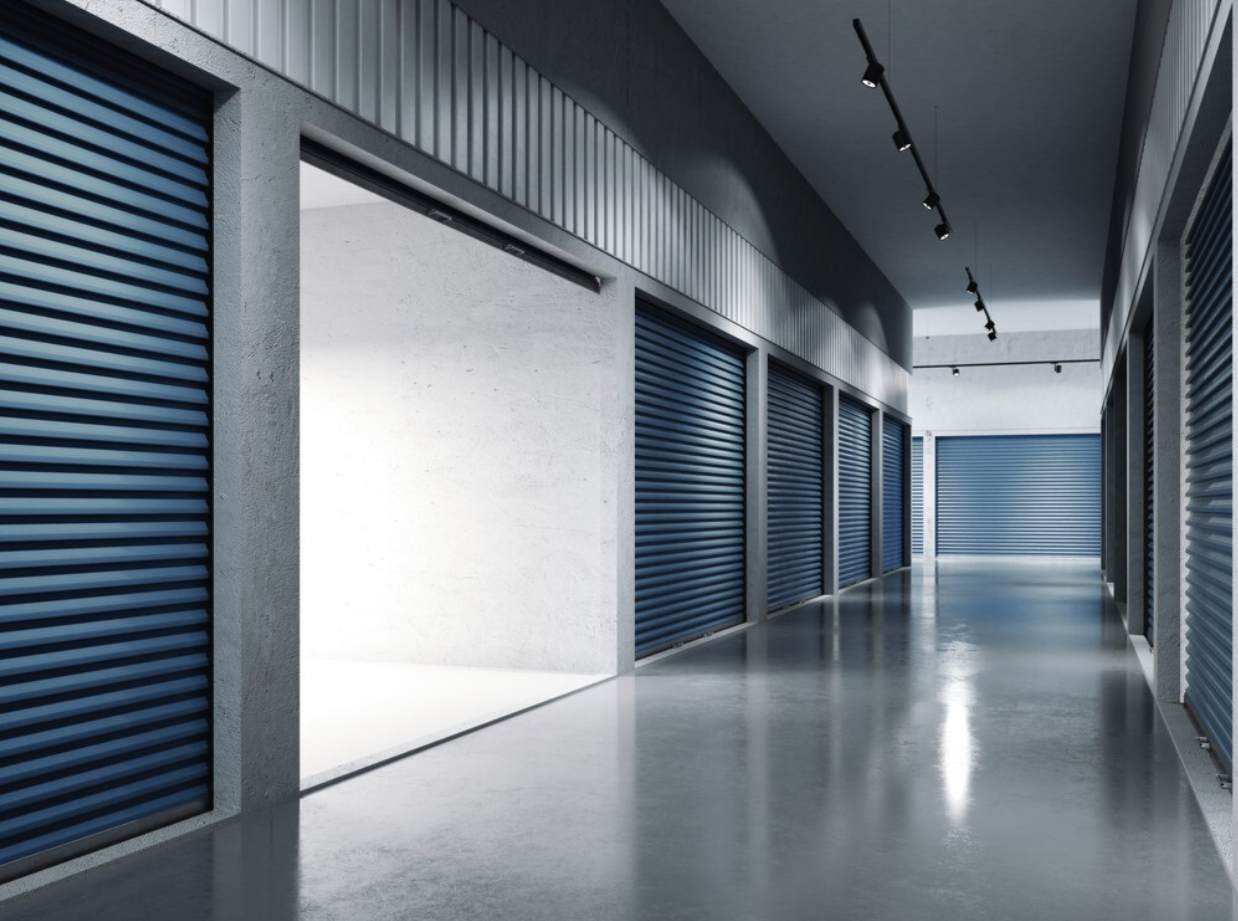
Artwork holds meaning far beyond its materials, which is why packing it the right way matters long before it reaches a climate controlled storage unit. Protecting delicate surfaces, frames, and sculpted details takes thoughtful preparation, especially for long-term placement in storage units near me. With the right packing habits, artwork stays safe, dry, and stable no matter how long it rests inside the unit.
Use Foam Corners to Protect Painting Edges
Foam corners shield the most vulnerable part of a framed piece: the edges that take the brunt of bumps during transport and handling. These lightweight protectors fit snugly over each corner, preventing compression marks or accidental dents. For paintings with ornate frames or textured edges, foam corners maintain the structure without pressing against delicate finishes. Edges also tend to collect impact pressure. By using high-density foam corners, the piece can sit upright inside the unit without the frame touching walls or neighboring items. This small layer of protection dramatically reduces the risk of chipping or splitting while the artwork sits in climate controlled storage.
Pack Sculptures with Cushioning on All Sides
Sculptures require all-around cushioning because their shapes rarely allow for even weight distribution. Wrapping each piece with soft layers—such as felt, foam sheeting, or bubble cushioning—keeps pressure from settling on one fragile point. The key is creating uniform padding so no sharp edge, handle, or extended feature presses against the crate.
Support beneath the sculpture matters just as much. Many sculptures settle during storage, so packing materials need to absorb vibration and movement. Placing the artwork in a contoured cradle of cushioning prevents sliding while preserving the original form of the piece inside storage units near me.
Label Art Crates with Orientation and Fragility Notes
Clear labeling prevents improper handling from the moment artwork leaves the studio or home. Orientation arrows, “Do Not Lay Flat” notes, and specific fragility comments help keep the artwork upright and stable throughout transport. These labels guide anyone involved in the move, reducing the chance of accidental flipping or stacking.
Detailed labeling also helps during the retrieval process. When stored among other items inside climate controlled storage, crates with visible information are easier to identify without unnecessary shifting. This simple practice protects both the artwork and surrounding stored belongings.
Store Rolled Canvases in Sturdy Tubes with Caps
Rolled canvases remain safe only if they’re stored in tubes rigid enough to prevent bending. Sturdy tubes with locking caps block dust, moisture, and accidental pressure while maintaining the natural curve of the canvas. Tubes designed for archival storage also prevent inks and pigments from sticking to the inner surface.
Even rolled pieces benefit from careful positioning. Vertical storage inside climate controlled units reduces the risk of flattening or warping over time. With sealed caps and proper placement, rolled canvases stay protected until they are ready to be stretched and displayed again.
Avoid Plastic Sheeting Directly on Canvas Surfaces
Plastic sheeting traps moisture, which can lead to clouding, sticking, or mold growth on canvas surfaces. Paintings need breathable layers such as glassine or acid-free paper that shield the art without sealing humidity against it. Breathable barriers also reduce static, which can pull pigments or delicate edges.
Climate controlled storage already reduces humidity swings, but airflow remains just as important. Allowing space between the canvas surface and exterior wrapping helps materials settle, especially during temperature adjustments. This prevents unwanted chemical reactions and protects paint textures.
Place Moisture Absorbers Around Artwork Packages
Moisture absorbers add an extra layer of defense around artwork packages. Even in storage units near me with controlled humidity, trace moisture can drift in through normal traffic or seasonal changes. Silica packets or specialized humidity absorbers help maintain consistent dryness around canvas, wood frames, and paper mediums.
Placement matters too. Absorbers should sit near—but not touching—the artwork packaging so airflow carries moisture toward them. Regularly replacing or recharging these absorbers ensures that the storage environment stays stable, especially during long-term placement.
Keep Artwork Elevated off the Unit Floor on Pallets
Elevation protects artwork from unexpected spills, condensation, or temporary flooding near the unit floor. Wooden or plastic pallets provide a stable platform that raises crates, tubes, and framed pieces several inches above ground level. This small adjustment dramatically improves long-term protection.
Elevation also improves airflow around the artwork. Storing items directly on concrete or flooring traps cool air and creates pockets of moisture. Raising the pieces supports even circulation throughout a climate controlled storage unit, giving artwork a dry, steady environment.
Space Pieces to Allow Airflow and Prevent Rubbing
Artwork should never rest pressed tightly against another piece. Adequate spacing ensures airflow moves freely around each crate or package, reducing the likelihood of trapped moisture and mold formation. Proper spacing also prevents friction that could lead to scratches, frame damage, or punctured wrapping.
Using shelving or vertical dividers helps maintain these gaps. Even a small space makes a major difference in how well artwork ages during storage. With the right layout, climate controlled storage becomes a protective environment rather than a risk.
Professionally managed storage spaces offer controlled environments that complement these packing methods. Storage Partner helps customers protect valuable artwork with secure climate controlled units, flexible layout options, and support designed to keep delicate pieces safe throughout their stay.