
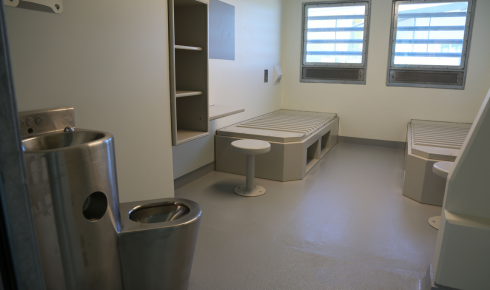
Growth in inmate populations often pushes facilities to find fast, efficient ways to expand without disrupting daily operations. Modular jails offer a path that blends modern construction methods with reliable security performance. Their adaptability has made them a practical choice for agencies under pressure to increase capacity without taking on years-long building projects.
Standardized Steel Units Allow for Vertical Stacking in Tight Urban Lots
Standardized steel modules are engineered to maintain consistent strength across multiple levels, making vertical stacking possible on restricted sites. This approach allows existing facilities in crowded city centers to add beds without acquiring new land or displacing surrounding structures. With modules designed to align seamlessly, additional tiers can be installed while maintaining safety and stability standards expected in correctional environments. Vertical expansion also helps jurisdictions avoid relocating operations during construction. Because modules arrive as nearly complete units, cranes can position them quickly, reducing on-site disturbance. Cornerstone detention equipment contractors coordinate these installations to ensure structural needs, load transfers, and secure anchoring meet detention-grade requirements.
Modular Designs Let Facilities Add Wings Without Stopping Daily Operations
Adding capacity traditionally disrupts daily facility routines. Modular systems solve this by allowing new wings to be built offsite, then installed with minimal intrusion. This reduces the time inmates and staff spend near active construction zones, improving safety during the expansion phase.
Continuous facility operations remain intact because installation is fast and organized. As new modular jails sections arrive, contractors can connect them to existing buildings with secure corridors and controlled-access points. This keeps movement inside the facility consistent and eliminates the need to alter housing assignments or create temporary holding areas.
Pre-installed Plumbing and Electrical Gear Speed up Final Site Hookups
A major appeal of modular construction is its internal readiness. Units arrive with plumbing lines, conduit runs, lighting fixtures, and mechanical systems already assembled. This cuts down on installation time and lowers the risk of delays caused by weather or material shortages.
Final hookups become more about connection than construction. On-site teams only need to integrate each module into the facility’s existing infrastructure, a process that is far quicker than building entire systems from scratch. Cornerstone security detention equipment contractor teams frequently assist with integrating specialized fixtures, detention-grade hardware, and secure wiring paths to maintain compliance and performance.
Lower Per-bed Costs Help Agencies Stretch Limited Construction Budgets
Modular designs often deliver lower per-bed costs than conventional construction because they reduce labor hours, streamline fabrication, and limit on-site waste. Agencies facing tight budgets can expand capacity without sacrificing security materials or long-term durability. This approach helps institutions plan multi-phase growth without exceeding financial constraints.
Budget predictability also improves since most fabrication happens in controlled factory environments. Fewer unknowns mean fewer surprise expenses, allowing administrators to allocate funds with greater confidence. Agencies that source detention hardware and Cornerstone detention center doors often incorporate these savings into broader facility upgrades.
Factory-built Precision Ensures Every New Cell Meets Strict Safety Codes
A controlled factory environment allows modules to be built with consistent accuracy. Each unit goes through rigorous inspections before leaving the production facility, ensuring they meet detention safety codes and relevant building standards. This eliminates variability often seen in traditional jobsite construction.
Precision fabrication also improves long-term durability. Welds, seams, and structural reinforcements receive uniform quality assurance, strengthening each module’s ability to withstand continuous use. Cornerstone prison supply manufacturers often contribute specialized components that reinforce security levels and extend equipment lifespan.
Lightweight Steel Frames Reduce the Need for Massive, Slow-curing Foundations
Traditional concrete-heavy construction requires extensive excavation and long curing periods that can slow expansion for weeks. Lightweight steel-framed modules reduce that burden by needing smaller, quicker-to-build foundations. Simpler footings cut weeks off schedules and reduce equipment demands on the jobsite.
Less structural mass lowers project costs and shortens overall timelines. Environmental disruptions also decrease since foundations require fewer heavy trucks and shorter staging periods. This makes modular jails particularly useful for rural counties or urban sites where ground conditions limit heavy foundation work.
Flexible Floor Plans Adapt Quickly to Changing Minimum or Maximum Security
Correctional needs can shift as inmate profiles, housing classifications, and treatment programs evolve. Modular layouts allow facilities to adjust quickly, whether adding minimum-security dormitories or expanding maximum-security single cells. Reconfigurable hallway systems, partition choices, and security-grade door placements help administrators tailor layouts to new operational requirements.
Adaptability extends the lifespan of the expansion. A module initially used for general housing may later be re-purposed for medical isolation, intake processing, or program space. Coordinating with Cornerstone detention equipment contractors ensures that any security modifications match classification requirements and comply with regulatory standards.
Phased Delivery Options Allow Capacity to Grow As Local Populations Rise
Modular construction supports gradual growth instead of requiring one large expansion all at once. Facilities can order initial units, install them, evaluate capacity shifts, and then request additional phases as populations increase. This phased approach reduces financial strain and allows administrators to adapt plans as real-time needs change.
Careful staging also lets agencies forecast workforce requirements, security upgrades, and operational adjustments before each phase begins. For facilities looking to adopt secure modular solutions with reliable detention products, Cornerstone provides support and equipment that reinforce safety while meeting capacity demands efficiently.