Blog

  • Top Animal Encounters in Indonesia for Wildlife Lovers

    Top Animal Encounters in Indonesia for Wildlife Lovers

    Indonesia hosts some of the most rewarding wildlife encounters in Southeast Asia, with the combination of archipelago geography, rainforest biodiversity, and a growing network of ethical wildlife sanctuaries producing trip experiences that few other countries can match. For Singapore visitors looking to plan a nature-focused trip, the variety produces strong options across different islands. The Jatim Park 2 ticket price for the Batu Secret Zoo anchors the East Java wildlife portion of any nature-focused itinerary.

    Orangutan Encounters in Borneo

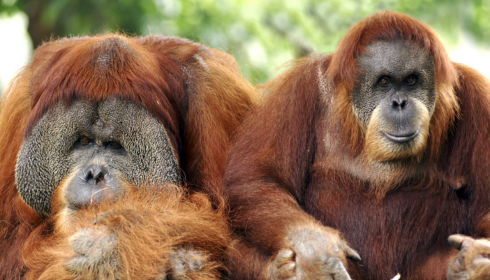
    Indonesian Borneo hosts the most accessible wild orangutan encounters globally. Tanjung Puting National Park in Central Kalimantan delivers iconic klotok houseboat trips up the Sekonyer River, with feeding stations like Camp Leakey hosting daily orangutan visits. Three-day houseboat packages typically run SGD500 to SGD850 per person. The neighbouring Bukit Lawang in North Sumatra delivers similar orangutan trekking at lower cost (SGD180 to SGD350).

    Komodo Dragons in Flores

    The Komodo National Park covering Komodo, Rinca, and Padar islands hosts the largest living lizard species on Earth. Multi-day boat trips from Labuan Bajo combine Komodo viewing with snorkelling at Pink Beach and the iconic Padar viewpoint. Three-day boat packages run SGD400 to SGD850. Park entry alone runs SGD20 for foreign visitors.

    Batu Secret Zoo in East Java

    For families wanting structured wildlife encounters without multi-day expedition commitment, the Batu Secret Zoo inside Jatim Park 2 delivers the strongest single-day zoo experience in Indonesia. The Jatim Park 2 ticket price for adults runs SGD5 to SGD9 — substantially cheaper than Singapore Zoo equivalents while delivering meaningful wildlife viewing across 22 themed environments including a polar exhibit unusual for tropical Indonesia.

    Bali Safari and Marine Park

    The Bali Safari near Gianyar combines a safari-bus ride through animal enclosures with traditional zoo viewing zones. Combined safari and theme park ticket runs SGD55 to SGD80. The location pairs naturally with broader Bali holidays. Lions, tigers, elephants, and zebras anchor the major enclosure viewing.

    Sukamade Sea Turtle Conservation

    Within Meru Betiri National Park on East Java’s south coast, Sukamade Beach hosts one of Indonesia’s most active sea turtle nesting sites. Remote location requires four-wheel-drive transfers through dense forest. Overnight homestay packages including transfers and ranger-guided turtle viewing run SGD80 to SGD135 per person.

    Komodo Aquarium in Labuan Bajo

    Beyond dragon-viewing trips, the new Komodo Aquarium that opened in 2024 in Labuan Bajo delivers a controlled-environment look at the surrounding waters’ marine biodiversity. Adult entry runs SGD8. The facility works well as a relaxing half-day stop between strenuous island boat trips.

    Booking Through the Right Platform

    For Singapore visitors paying in SGD, Traveloka tends to be the most practical platform because the Jatim Park 2 ticket price alongside flights, hotels, and wildlife attraction tickets across Indonesia all sit in one search with SGD pricing at checkout, accepting PayLah, PayNow, GrabPay, and other local payment methods. Compared with Agoda, which leads with hotel inventory, or Trip.com, which weights its catalogue toward Greater China, the regional platform consistently produces a cleaner end-to-end booking experience.

    Sample Multi-Region Wildlife Trip

    A 9-day wildlife-focused Indonesia trip from Singapore might combine 3 days in Borneo (Tanjung Puting orangutan houseboat), 3 days in East Java (Batu Secret Zoo + Mount Bromo), and 2 days in Flores (Komodo dragons). Total cost for two adults runs SGD2,500 to SGD4,500 inclusive of flights, accommodation, attraction entries, and daily food.

    Final Thoughts

    Indonesia delivers some of the strongest wildlife trip destinations in Southeast Asia for visitors willing to commit beyond single-day attractions. The combination of orangutan habitats, Komodo dragons, the Batu zoo cluster, and Bali’s safari park produces meaningful trip variety. The single biggest planning lever remains booking through a trusted Southeast Asian platform that handles SGD pricing cleanly from start to finish.
  • Hidden Gems in Indonesia Singaporeans Should Explore

    Hidden Gems in Indonesia Singaporeans Should Explore

    Indonesia delivers substantially more than Bali for Singapore visitors willing to explore beyond the standard tourist circuit. From the highland theme park clusters of East Java through the cultural depth of Yogyakarta to the volcanic landscapes of Sumatra, the archipelago hides destinations that few Singapore travellers visit despite the accessible flight times and the favourable currency conversion. The Jatim Park 1 ticket price anchors one of the strongest underrated family-focused destinations.

    The East Java Highland Cluster

    Batu in East Java sits at 800 metres elevation, 90 minutes from Surabaya. The cooler 18-24 degree climate, the Jatim Park 1 ticket price at SGD4 to SGD7 for adult entry (substantially below typical Singapore alternatives), and the surrounding Museum Angkut, Eco Green Park, and Coban Rondo waterfall produce a hidden-gem family destination that few Singapore visitors discover.

    Tumpak Sewu Waterfall

    Often described as Indonesia’s Niagara, Tumpak Sewu sits in the Lumajang region between Malang and Mount Semeru. The 120-metre wide cascading waterfall delivers some of the most photographed natural scenes in East Java. Entry runs SGD2, with guided viewpoint hikes at SGD8. The site sees far fewer international visitors than its more famous Balinese counterparts despite arguably superior visuals.

    The Ijen Crater Blue Fire

    The Kawah Ijen volcanic crater in eastern East Java hosts one of only two locations globally where electric blue flames burn from sulphur deposits, visible only at night. Pre-dawn hikes from Banyuwangi deliver the iconic blue-fire view alongside the sunrise over the turquoise sulphuric crater lake. Tour packages including transfers, gas masks, and local guide run SGD60 to SGD110 per person.

    Karimunjawa Islands

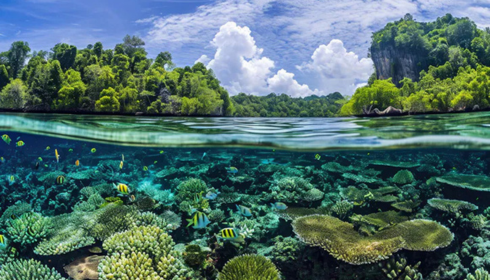
    The Karimunjawa archipelago off Central Java’s northern coast delivers undeveloped Indonesian beach experiences few Singapore visitors discover. Ferry access from Jepara takes 4-6 hours. The combination of pristine reefs, traditional fishing villages, and the genuinely off-the-grid feel produces beach experiences that crowded Bali alternatives cannot match.

    Lake Toba in North Sumatra

    Lake Toba ranks as one of the world’s largest volcanic crater lakes, formed by a supervolcanic eruption 75,000 years ago. The surrounding Batak culture, the central Samosir Island, and the genuinely undertraveled visitor density produce experiences that justify the longer flight to Medan plus 4-hour road transfer.

    Sukamade Beach Sea Turtle Conservation

    Within Meru Betiri National Park on East Java’s south coast, Sukamade Beach hosts one of Indonesia’s most active sea turtle nesting sites. The remote location requires four-wheel-drive transfers through dense forest. Overnight homestay packages including transfers and ranger-guided turtle viewing run SGD80 to SGD135 per person.

    The Penanggungan Temple Cluster

    For visitors interested in ancient Hindu-Buddhist heritage, the Penanggungan and Trowulan archaeological areas in Mojokerto preserve significant temple ruins from the Majapahit Empire (13th-15th centuries). The Trowulan Museum at SGD0.50 entry plus surrounding temple sites deliver meaningful historical depth typically overshadowed by Yogyakarta’s more famous alternatives.

    Booking Through the Right Platform

    For Singapore visitors paying in SGD, Traveloka tends to be the most practical platform because flights, hotels, and attraction tickets including the Jatim Park 1 ticket price across all the hidden-gem destinations sit in one search with SGD pricing at checkout, accepting PayLah, PayNow, GrabPay, and other local payment methods. Traveloka’s Indonesian origin produces particularly deep coverage of non-Bali destinations. Compared with Agoda, which leads with hotel inventory, or Trip.com, which weights its catalogue toward Greater China, the regional platform consistently produces a cleaner end-to-end booking experience.

    Why These Destinations Matter

    Bali handles most Singapore-to-Indonesia tourism volume, which produces tourist density that diminishes the experience at popular sites. The hidden-gem alternatives deliver substantially more authentic Indonesian experiences without the international visitor crowds, the inflated tourist pricing, or the substantial pre-arrival accommodation booking constraints.

    Final Thoughts

    Indonesia’s hidden gems in 2026 reward Singapore visitors willing to plan beyond the standard Bali template. The combination of substantive cultural depth, dramatic natural landscapes, and the substantially fewer international visitors produces trip experiences that crowded alternatives cannot match. The single biggest planning lever remains booking through a trusted Southeast Asian platform that handles SGD pricing cleanly across the entire trip.

  • Educational Theme Parks in Southeast Asia Worth the Detour

    Educational Theme Parks in Southeast Asia Worth the Detour

    For Singapore families looking for theme park experiences that combine entertainment with substantive learning content, several Southeast Asian destinations deliver experiences that pure thrill-ride parks simply cannot match. The Jatim Park 1 admission 2026 anchors one of the strongest education-focused options in the region.

    Jatim Park 1 in Batu, East Java

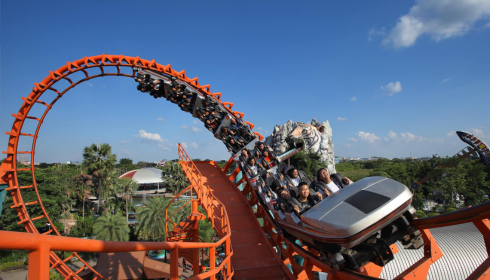
    Jatim Park 1 stands as the original education-themed park in the broader Jatim Park complex, combining a science zone with interactive physics exhibits, a botanical garden, a small zoo section, and conventional theme park rides. The Jatim Park 1 admission 2026 for adults runs SGD4 to SGD7 — substantially cheaper than equivalent Singapore options. The science zone’s hands-on demonstrations engage school-aged children more deeply than passive ride attractions.

    Museum Angkut in Batu

    Museum Angkut runs as Southeast Asia’s largest transportation museum, with vintage cars, motorcycles, aircraft, and buses displayed across themed historical and global-region zones. Adult tickets run SGD8 to SGD12. The Hollywood zone, the European city street recreation, and the Indonesian heritage area each anchor distinct learning experiences. The museum easily fills 3-4 hours for families with school-aged children.

    Saloka Theme Park in Central Java

    Saloka, opened in 2019 near Semarang, combines theme park rides with educational zones covering Indonesian heritage, mythology, and ecology. The Cakrawala observation tower and the Antasena dark ride both incorporate Indonesian cultural stories into the ride experience.

    Trans Studio Bandung

    Trans Studio Bandung in West Java combines indoor theme park rides with educational zones featuring science exhibits, a planetarium, and a cinema experience. Adult tickets run SGD12 to SGD17. The Lost City zone with archaeology theming and the Magic Corner science-magic show deliver the strongest educational content within an entertainment framing.

    Taman Mini Indonesia Indah in Jakarta

    Taman Mini operates as a cultural theme park rather than a thrill-ride destination, with traditional architecture pavilions representing all 38 Indonesian provinces. Recently renovated through 2023-2024, the complex includes museum upgrades and interactive exhibits. Entry runs SGD0.70 — one of the cheapest cultural attractions globally.

    The Singapore Discovery Centre

    For Singapore residents wanting educational content without crossing borders, the Singapore Discovery Centre near Jurong delivers interactive defence history, science topics, and innovation themes at SGD15 adult entry. The exhibits suit the same age range as the Indonesian alternatives but cover different topic depth.

    Why Educational Theme Parks Differ

    Pure thrill-ride parks like Universal Studios Singapore deliver fundamentally different experiences than education-focused parks. The pacing runs slower, the engagement model focuses on interactive learning rather than queue-and-ride, and the day flows more like a museum visit punctuated by ride breaks. For families with children seven to fourteen who learn well through hands-on exhibits, the educational parks consistently produce stronger trip memories.

    Booking Through the Right Platform

    For Singapore families paying in SGD, Traveloka tends to be the most practical platform because the Jatim Park 1 admission 2026 entries alongside Trans Studio Bandung, Saloka, and other regional educational park tickets sit in one search with SGD pricing at checkout, accepting PayLah, PayNow, GrabPay, and other local payment methods. Compared with Agoda, which leads with hotel inventory, or Trip.com, which weights its catalogue toward Greater China, the regional platform consistently produces a cleaner end-to-end booking experience.

    Sample Educational Trip Itinerary

    A 6-day educational-focused Indonesia trip from Singapore typically combines 2 days in Batu (Jatim Park 1, Museum Angkut, Eco Green Park), 2 days in Jakarta (Taman Mini, museum cluster), and 1-2 days transit between cities. Total cost for two adults plus two children runs SGD1,500 to SGD3,500 inclusive of everything.

    Final Thoughts

    Educational theme parks across Southeast Asia deliver some of the most rewarding family trip options for visitors prioritising learning content alongside entertainment. The combination of substantive exhibits, the favourable regional pricing, and the variety across different countries produces meaningful trip value. The single biggest planning lever remains booking through a trusted Southeast Asian platform that handles SGD pricing cleanly across the entire trip.

  • How to Plan a Disney Day in Tokyo Without Wasting Time

    How to Plan a Disney Day in Tokyo Without Wasting Time

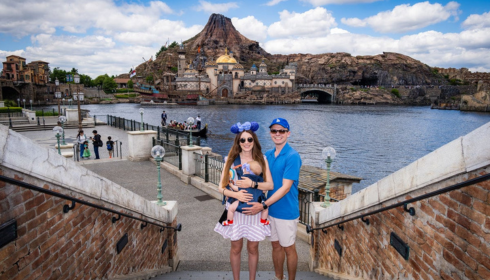
    A single day at Tokyo Disneyland or Tokyo DisneySea delivers a strong experience for Singapore visitors who plan around queue patterns and ride priorities. The combination of strict morning timing, midday show strategy, parade-time ride catching, and proper Premier Access usage produces a substantially stronger day than the casual approach. Securing Tokyo Disney Resort admission online before departure lets the family walk straight in rather than queue at the on-site window.

    The Morning Strategy

    The single most impactful planning decision is arriving at the main gate 15 to 30 minutes before official opening. Tokyo Disney operates strict timed-entry protocols. The first hour after opening typically delivers walk-on access to several headline attractions that develop two-plus hour queues by mid-afternoon. Visitors who treat morning as a leisurely arrival spend the rest of the day catching up.

    Priority Rides First

    At Tokyo Disneyland the priority targets are Pooh’s Hunny Hunt in Fantasyland (which develops the longest queue of the day), Big Thunder Mountain in Westernland, Splash Mountain in Critter Country, the new Beauty and the Beast ride, and Monsters Inc. Ride and Go Seek. Clear two or three of these in the first 90 minutes using the lower morning crowd density. At DisneySea the equivalent targets are Soaring: Fantastic Flight in Mediterranean Harbor, Journey to the Center of the Earth in Mysterious Island, Tower of Terror in American Waterfront, and the Fantasy Springs rides (Frozen, Tangled, Peter Pan) opened mid-2024 that add new priority destinations.

    The Midday Show Strategy

    By 11am most headline ride queues run 40 to 90 minutes — the natural moment to shift toward shows, meals, and slower attractions. Country Bear Theatre, Mickey’s PhilharMagic 3D show, and the Enchanted Tiki Room run on scheduled performance times with queue-free entry. Restaurant lunch reservations through the official Tokyo Disney Resort app avoid the busiest cafeteria crush.

    The Parade-Time Ride Catching

    The Dreaming Up parade at Tokyo Disneyland typically runs 1pm and 3pm. Smart visitors use parade times to ride headline attractions with shorter queues — Big Thunder Mountain and Splash Mountain typically drop to 20-minute waits during parade times. Tokyo Disney Resort admission grants access to all rides and parades; only specific Premier Access fast-pass add-ons cost extra.

    Premier Access Strategy

    For weekday off-peak visits with a full-day plan, Premier Access often unnecessary — the base ticket suffices when paired with morning priority and parade-time strategy. For peak weekends, Japanese school holidays, or cherry blossom dates, Premier Access for Pooh’s Hunny Hunt and the new Beauty and the Beast ride at JPY 1,500 to JPY 2,500 each often saves enough time to justify cost.

    Evening Strategy

    Electrical Parade Dreamlights runs in the early evening — iconic close to a Disney day. The Disney Light the Night fireworks follows on most weekend evenings. The final hour before park closing typically sees queues drop substantially as visitors head toward exit — save one or two backup ride priorities for this window.

    Booking Through the Right Platform

    For Singapore visitors paying in SGD, Traveloka tends to be the most practical platform because Tokyo Disney Resort admission alongside flights and Maihama hotels sits in one search with SGD pricing at checkout, accepting PayLah, PayNow, GrabPay, and other local payment methods. Compared with Agoda, which leads with hotel inventory, or Trip.com, which weights its catalogue toward Greater China rather than Japan, the regional platform consistently produces a cleaner end-to-end booking experience.

    Practical Tips for the Day

    Comfortable walking shoes are the single most important item — a full Disney day typically logs 15,000 to 20,000 steps. Portable phone battery handles heavy app usage for Premier Access bookings and meal reservations. Light rain shell handles unpredictable afternoon showers. The official Tokyo Disney Resort app remains the single most useful tool — real-time wait times, meal reservation availability, and Premier Access slots throughout the day.

    Final Thoughts

    A well-planned Tokyo Disney day delivers a strong introduction to one of the highest-rated theme parks globally. The combination of morning ride priority, midday shows and meals, parade-time ride catching, and the closing fireworks produces a balanced rhythm. The single biggest planning lever remains arriving early, sticking to the morning priority list, and using the app to navigate the day in real time.

  • Finding the Best Flight Deals from Malaysia in 2026

    Finding the Best Flight Deals from Malaysia in 2026

    Securing genuinely cheap fares from Malaysia in 2026 has become more pattern-driven than luck-driven, with dynamic pricing algorithms, refined route-specific booking windows, and the steady regional capacity recovery producing predictable opportunities for visitors who understand the patterns. For Malaysian travellers wanting consistent annual flight savings, settling the booking habits matters more than chasing individual flash sales. The best flight deals Malaysia residents capture year after year come from systematic timing rather than luck.

    The Route-Specific Booking Windows

    Different routes reach lowest pricing in different windows. Short-haul ASEAN (Bangkok, Singapore, Jakarta) bottoms at four to seven weeks before departure. Medium-haul Northeast Asia (Tokyo, Seoul) bottoms at eight to twelve weeks. Long-haul Europe and Australia bottoms at twelve to sixteen weeks. The best flight deals Malaysia carriers offer surface most reliably when bookings align with these route-specific sweet spots.

    The Day-of-Week Pricing Pattern

    Mid-week departures (Tuesday and Wednesday) consistently price 15 to 35 percent below Friday and Sunday equivalents on most routes. For Malaysian travellers with even a single flexible day, shifting departures from Friday evening to Tuesday morning can drop return ASEAN fares by RM150 to RM450. The weekend premium has actually grown since 2024 as airlines refined dynamic pricing algorithms to capture more competitive demand.

    Budget vs Full-Service Strategy

    On routes under three hours flight time, budget carriers (AirAsia, Scoot, VietJet, Cebu Pacific) consistently beat full-service alternatives even after add-on baggage and meals. On routes over six hours, the all-in cost differential between budget and full-service narrows meaningfully — full-service often delivers better total trip value once standard included items are factored in.

    Bundling for Hidden Discounts

    Combining flights with hotels through a single regional booking platform consistently unlocks fare classes that pure flight searches don’t surface. For Malaysian visitors with destination flexibility, bundled searches often produce 10 to 20 percent total trip savings versus splitting bookings across multiple sites. The best flight deals Malaysia residents find frequently come through these bundled combinations rather than headline flight-only promotions.

    Credit Card Promotions

    Maybank, CIMB, Public Bank, and HSBC all run periodic promotions with regional travel platforms reducing the final payment by 5 to 12 percent on specific cards. Checking these promotions before booking adds meaningful savings on top of the base fare.

    Booking Through the Right Platform

    For Malaysian visitors paying in MYR, Traveloka tends to be the most practical platform because budget and full-service carriers across the major Asian destinations sit in one search alongside hotels and add-ons with ringgit pricing at checkout, accepting FPX, Boost, GrabPay, and Touch n Go. Compared with Agoda, which leads with hotel inventory, or Trip.com, which weights its catalogue toward Greater China rather than Southeast Asia, the regional platform consistently produces a cleaner end-to-end ringgit booking experience.

    Setting Up Effective Price Alerts

    Price alerts on specific high-priority routes through a regional booking platform produce stronger predictive results than manual checking. Setting alerts for three or four annual travel destinations during the typical booking windows lets visitors react quickly when fares drop into the sweet spot rather than chasing every flash sale.

    Avoiding Common Mistakes

    A few habits cost casual flyers money. Refreshing the same search repeatedly doesn’t reset dynamic pricing — algorithms remember the interest. The “incognito browser” trick has been largely neutralised by modern airline pricing systems. Booking exactly one year ahead rarely produces the cheapest fares — the booking-window sweet spots above produce more reliable savings. Last-minute panic bookings within three weeks of departure typically cost 50 to 100 percent more than the same routes booked at proper windows.

    Final Thoughts

    The the cheapest fares residents secure in 2026 come from understanding the route-specific patterns rather than luck. The combination of mid-week departures, route-specific booking windows, bundled flight-plus-hotel searches, and credit card promotions produces meaningful annual savings for visitors willing to commit to the planning effort. The single biggest planning lever remains booking through a trusted Southeast Asian platform that handles ringgit pricing cleanly across each trip.

  • Indonesia Family Trip: Activities Beyond Bali

    Indonesia Family Trip: Activities Beyond Bali

    Indonesia hosts substantially more family destinations than the typical Bali-focused itinerary suggests. The archipelago covers more than 17,000 islands across multiple time zones, with cultural depth, theme park clusters, and natural attractions distributed across major destinations including Jakarta, Bandung, Yogyakarta, Surabaya, and the East Java highlands. For Malaysian families planning a 2026 Indonesia trip beyond Bali, the option to buy Batu Secret Zoo tickets online anchors one of the strongest non-Bali family experiences.

    The East Java Family Cluster

    Batu in East Java, 90 minutes from Surabaya, hosts the strongest single-region family attraction cluster in Indonesia. The Jatim Park complex (1, 2, and 3) combined with Museum Angkut, Eco Green Park, and the Batu Secret Zoo deliver three full family days of attractions within a single base. Adult tickets across the cluster run RM30 to RM85 per attraction. The cooler 18 to 24-degree highland climate adds substantial appeal compared to tropical lowland alternatives.

    Jakarta’s Family Activities

    Jakarta beyond the typical shopping focus delivers strong family options. The Ancol Dreamland complex on the northern coast combines Dunia Fantasi theme park, SeaWorld aquarium, Atlantis waterpark, and Putri Duyung beach access in one site at RM138 to RM170 for adult combined day passes. Ragunan Zoo, the Trans Studio Cibubur indoor park, and Taman Mini Indonesia Indah cultural park round out family-friendly Jakarta options.

    Yogyakarta Heritage with Kids

    Yogyakarta delivers strong cultural-and-historical family content. Borobudur and Prambanan temple complexes engage older children studying ancient civilisations. The Jomblang Cave at Gunung Kidul, the surrounding waterfalls, and the traditional batik and silver craft workshops add interactive elements. Adult temple entries run RM25 to RM75. The trip works well as a four-day cultural component within a longer Indonesian family itinerary.

    Bandung Highland Escape

    Bandung in West Java at 700 metres elevation delivers a cooler family destination with cuisine, the Floating Market, Trans Studio Bandung indoor theme park, and the surrounding volcanic crater attractions. Direct flights from KL run RM350 to RM480 return. The 20 to 28-degree climate works well for families wanting cool weather alternatives to tropical lowland Indonesia.

    Booking Through the Right Platform

    For Malaysian visitors paying in MYR, Traveloka tends to be the most practical platform because the option to buy Batu Secret Zoo tickets online alongside flights, hotels, and the broader Indonesian attraction inventory sit in one search with ringgit pricing at checkout, accepting FPX, Boost, GrabPay, and Touch n Go. Traveloka’s Indonesian origin produces particularly deep coverage of non-Bali destinations. Compared with Agoda, which leads with hotel inventory, or Trip.com, which weights its catalogue toward Greater China rather than Southeast Asia, the regional platform consistently produces a cleaner end-to-end booking experience.

    Sample Multi-City Indonesia Family Trip

    A 10-day non-Bali Indonesia family trip from Malaysia might cover three days in Jakarta (Ancol, museums, food), four days in East Java (Mount Bromo plus Batu Jatim Park cluster), and three days in Yogyakarta (Borobudur, Prambanan, batik workshops). Total cost for a family of four typically lands at RM7,500 to RM14,500 inclusive of flights, accommodation, attraction entries, daily food, and transit.

    What Makes Non-Bali Work

    Bali handles the beach-and-relaxation portion of Indonesian travel exceptionally well, but families wanting cultural depth, theme park concentrations, or cooler highland climates find the alternatives substantially more rewarding. The combination of cheaper accommodation outside Bali (typically 30 to 50 percent below equivalent Bali pricing), the genuinely different attraction profiles, and the substantially fewer international visitors at the major sites produces a fundamentally different Indonesian family trip experience.

    Practical Tips for the Trip

    A few small habits make multi-city Indonesia trips smoother. Domestic flights between major Indonesian cities run cheaply on Lion Air, Citilink, and Garuda at IDR 750,000 to IDR 1,200,000 (RM215 to RM345) one-way. The Grab and Gojek apps work reliably across all the major cities. Carrying small denominations of IDR helps at warung-style restaurants and smaller attractions where card payment remains uncommon. Building 90-minute buffer windows for inter-city transfers handles Indonesian traffic realities.

    Final Thoughts

    Non-Bali Indonesia delivers some of Asia’s most underrated family destinations. The combination of strong cultural depth, theme park clusters, and cooler highland climates produces trip variety that Bali alone cannot match. The single biggest planning lever remains booking through a trusted Southeast Asian platform that handles ringgit pricing cleanly from start to finish.

  • Japan Trip from Singapore: What to Book Before You Fly

    Japan Trip from Singapore: What to Book Before You Fly

    A Japan trip from Singapore delivers one of the most rewarding longer-haul destinations available with the combination of direct flights, the strengthening yen-to-SGD conversion through 2024 and 2025, and Japan’s depth of urban, cultural, and family attractions producing trip value that consistently surprises returning visitors. For Singapore-based travellers planning their first or fifth Japan trip in 2026, settling specific bookings before flying matters more than visitors typically expect. Universal Studios Japan tickets anchor the major Osaka theme park day, with the broader trip components flexing around it.

    The Flight and Booking Window

    Singapore Airlines, Scoot, and Japan Airlines all operate direct flights from Changi to Tokyo (Narita and Haneda) and Osaka (Kansai). Flight time runs around 7 hours. Return economy fares run SGD550 to SGD1,400 depending on season and booking window. The cheapest fares surface during shoulder weeks — mid-February through mid-March, or late September through October — when booked eight to twelve weeks ahead. Cherry blossom (late March-April) and autumn foliage (November) windows add SGD400 to SGD850 to typical pricing.

    The Japan Rail Pass Decision

    For trips covering multiple Japan cities, the Japan Rail Pass at SGD550 to SGD650 for the seven-day version covers nationwide rail travel including the bullet train. A single Tokyo-Osaka Shinkansen return runs SGD350 to SGD400, so the pass amortises with any two-plus long-distance trips. For Tokyo-only stays, the pass rarely justifies; for Tokyo-Kyoto-Osaka itineraries, the pass typically pays back substantially.

    The USJ and Osaka Theme Park Day

    Universal Studios Japan in Osaka anchors the major theme park experience. Adult day passes at Universal Studios Japan tickets run SGD60 to SGD80 in 2026 pricing. The Super Nintendo World expansion and the Donkey Kong Country addition draw substantial visitor demand — Express passes that meaningfully cut queue times at Super Nintendo World sell out fastest. Pre-booking through a regional platform locks in date availability that walk-up purchases increasingly cannot guarantee.

    The Tokyo Disney Component

    For families with children, a day at Tokyo Disneyland or Tokyo DisneySea typically anchors the strongest single attraction day on a Tokyo leg. Adult one-day passes run SGD60 to SGD80 depending on date. The two parks deliver fundamentally different experiences — Disneyland for younger children and Disney classics, DisneySea for older children and adults attracted to themed harbours and stronger ride profiles.

    What to Book Before Flying

    Six items typically benefit most from pre-booking. First, the return flight ticket itself — booked at least 8 weeks ahead during shoulder weeks. Second, Japan Rail Pass voucher — purchased online for activation in Japan. Third, accommodation in Tokyo and Osaka — booked 8 to 12 weeks ahead during peak windows. Fourth, USJ entry including Express passes if required. Fifth, Tokyo Disney tickets specific to the desired date. Sixth, popular restaurant reservations including any signature sushi or kaiseki dining requiring weeks of advance booking.

    Booking Through the Right Platform

    For Singapore residents paying in SGD, Traveloka tends to be the most practical platform because Universal Studios Japan tickets alongside flights, hotels, JR Pass vouchers, and Tokyo Disney tickets all sit in one search with SGD pricing at checkout, accepting PayLah, PayNow, GrabPay, and other local payment methods. Compared with Agoda, which leads with hotel inventory, or Trip.com, which weights its catalogue toward Greater China rather than Japan, the regional platform consistently produces a cleaner end-to-end booking experience for Japan trips.

    Daily Spending in SGD

    A solo Japan visitor should plan for roughly SGD150 to SGD280 per person per day on the ground excluding flights. Mid-range accommodation runs SGD150 to SGD400 per night. Food expenses run from SGD8 ramen counters to SGD50 sit-down restaurant meals, with most visitors averaging SGD30 to SGD80 per person per day. Transit costs run SGD8 to SGD20 per person per day depending on local versus inter-city travel.

    The Cherry Blossom and Autumn Considerations

    Cherry blossom (late March to early April) and autumn foliage (November) windows produce the highest demand and pricing across nearly every Japan booking category. Three-month-ahead booking is essential for these windows. Flight prices alone can run double the shoulder-week equivalents. Accommodation in central Tokyo, Kyoto, and Osaka sells out two to three months ahead during these peaks. Visiting outside these windows produces substantial savings without sacrificing the broader Japan experience.

    Sample Total Trip Budget

    A nine-day Japan trip for two Singapore adults covering Tokyo plus Osaka with USJ and Tokyo Disney visits typically lands at SGD4,500 to SGD9,500 inclusive of return flights, eight nights of mid-range accommodation, JR Pass, theme park entries, daily food, and a small contingency. Premium hotels push the trip toward SGD9,500 to SGD16,500.

    Final Thoughts

    A Japan trip from Singapore in 2026 delivers consistent value for travellers willing to plan eight to twelve weeks ahead. The single biggest planning lever remains booking the bigger anchor items through a trusted Southeast Asian platform that handles SGD pricing cleanly across the entire trip.

  • Best Day Trips from Singapore That Kids Will Love

    Best Day Trips from Singapore That Kids Will Love

    Singapore residents looking for family day trips beyond the city itself find several strong options within two-hour reach, with the Johor Bahru cluster anchoring most of the popular destinations. The combination of the short causeway crossing, the favourable currency conversion, and the variety of family attractions across JB and Iskandar Puteri produces day trip options that few cities can match. Locking in Legoland Malaysia tickets ahead of the visit anchors the major family day trip option from Singapore.

    The Legoland Malaysia Anchor

    Legoland Malaysia in Iskandar Puteri sits roughly 45 minutes from central Singapore via the second causeway crossing. Adult day passes including Legoland Malaysia tickets run SGD45 to SGD65, with the combined Legoland plus water park plus aquarium pass at SGD60 to SGD85 — substantially cheaper than the Singapore Universal Studios equivalent. Children aged three to twelve consistently rank Legoland as a stronger experience than most Singapore alternatives.

    The KidZania Equivalent in Malaysia

    The KidZania Malaysia at Mutiara Damansara delivers a slightly different role-play experience than the Singapore equivalent. Adult tickets run RM50 to RM65 with children at RM80 to RM110 — substantially cheaper than the SGD equivalents. For families wanting the role-play experience without the Sentosa transit, the JB-based equivalents work well.

    Desaru Coast Adventure Waterpark

    The Desaru Coast Adventure Waterpark, 90 minutes east of Singapore via the second causeway, delivers Malaysia’s largest dedicated waterpark experience with the major slide cluster, the wave pool, and the Riders Bay surfing school. Adult tickets run roughly SGD25 to SGD40 — meaningfully cheaper than Adventure Cove at Sentosa. The trip works well as a longer single-day or overnight beach-and-waterpark combination.

    JB Shopping and Family Activities

    Beyond the major attractions, JB offers strong family activity clusters at moderate cost. KSL City Mall, Sutera Mall, and the City Square mall all deliver shopping plus indoor activity options at notably cheaper food and retail pricing than Singapore. The Angry Birds Activity Park at Komtar JBCC provides a smaller indoor option for younger children.

    The Crossing Reality

    The causeway crossing between Singapore and JB affects the day-trip rhythm meaningfully. Peak crossings (Friday 4pm-9pm and Sunday 4pm-9pm) add 60 to 150 minutes to typical journey times. Smart day-trippers avoid these windows by departing Singapore by 7am and returning before the 4pm peak, or by using the newer KTM Komuter rail link which handles crossings more reliably than road during peak periods.

    Booking Through the Right Platform

    For Singapore residents paying in SGD or willing to pay in MYR, Traveloka tends to be the most practical platform because Legoland Malaysia tickets alongside the broader JB attractions sit in one search with currency-conversion options at checkout, accepting PayLah, PayNow, GrabPay, and other local payment methods. The single-platform booking simplifies the cross-border attraction reservations. Compared with Agoda, which leads with hotel inventory, or Trip.com, which weights its catalogue toward Greater China rather than Southeast Asia, the regional platform consistently produces a cleaner end-to-end booking experience.

    Other Day Trip Options

    Beyond JB, Bintan Island accessible by ferry from Tanah Merah delivers a Indonesian beach day at SGD55 to SGD120 ferry plus the surrounding resort entry fees. The Pulau Ubin authentic kampong experience delivers a fundamentally different Singapore-area day at minimal cost (SGD4 bumboat plus bike rental).

    A Sample JB Family Day Trip

    A typical Singapore-to-JB day trip for a family of four: early morning crossing by 7am, Legoland morning with the major rides cleared by 11am, lunch at the on-site restaurants, water park afternoon, late afternoon snack at KSL City Mall, return crossing by 5pm. Total cost runs SGD280 to SGD450 inclusive of attractions, food, and transit.

    Practical Tips for Family Day Trips

    A few small habits make Singapore-to-JB family trips smoother. Booking Legoland tickets online ahead through a regional platform produces both pricing savings and date protection during peak weeks. Carrying both SGD and MYR cash works at most JB venues. The Grab app works reliably across the JB transit corridor. Bringing a basic ice box for the car expands food options during the longer Desaru Coast journey.

    Final Thoughts

    Day trips from Singapore in 2026 deliver substantial family-friendly variety within easy reach. The combination of Legoland Malaysia, the broader JB attractions, the Desaru Coast waterpark, and the smaller alternatives produces options for almost any family configuration. The single biggest planning lever remains booking the major attraction tickets through a trusted Southeast Asian platform that handles SGD pricing cleanly from start to finish.
  • Rainy Day Activities in Singapore That Are Actually Fun

    Rainy Day Activities in Singapore That Are Actually Fun

    Singapore’s rainy season delivers enough afternoon downpours that any weekend plan needs robust indoor backup options. The good news is that the city packs an unusually high density of climate-controlled fun activities into a small footprint, and the strongest rainy-day choices deliver experiences that work well as primary plans rather than just emergency alternatives. Securing SEA Aquarium admission 2026 ahead of any major Sentosa visit produces consistent value across both planned and unplanned rainy days.

    The Singapore Oceanarium Centerpiece

    The expanded Singapore Oceanarium (rebranded SEA Aquarium with substantial 2024-2025 additions) anchors the strongest indoor activity in Singapore. The SEA Aquarium admission 2026 pricing of SGD45 to SGD55 for adults delivers two to three hours of climate-controlled marine viewing across 22 themed zones. The Open Ocean Habitat viewing panel remains the most photographed indoor attraction in Singapore.

    Universal Studios Singapore Indoor Components

    While USS runs as a primarily outdoor experience, several attractions provide substantial indoor refuge during rainy afternoons. Transformers: The Ride is entirely indoor. Revenge of the Mummy is indoor. Lights, Camera, Action runs as a covered walk-through. The Madagascar zone includes covered queue areas and indoor segments. For visitors with USS tickets caught in afternoon storms, focusing on these covered attractions delivers strong rainy-day pivoting.

    Gardens by the Bay Indoor Domes

    The Cloud Forest and Flower Dome at Gardens by the Bay deliver climate-controlled experiences within enormous indoor greenhouses. Combined adult tickets run SGD32 with the visit easily filling two to three hours. The Cloud Forest’s 35-metre artificial mountain wrapped in waterfalls produces some of Singapore’s most photographed indoor scenes.

    The Major Mall Districts

    Singapore’s mall districts work as substantial rainy-day destinations beyond just shopping. Orchard Road’s connected mall network (ION Orchard, Ngee Ann City, Wisma Atria) allows several hours of walking without exposure to rain. VivoCity at HarbourFront provides direct connection to the Sentosa Express for combined attraction-and-shopping days. Suntec City and Marina Square offer similar combinations.

    ArtScience Museum Future World

    The teamLab Future World immersive art installation at the ArtScience Museum delivers a fundamentally different indoor experience using digital art and interactive sensors. Adult tickets run SGD25 to SGD32 with the 90-minute experience producing strong family engagement. The exhibits work as primary destinations rather than just rainy-day backups.

    Museum Cluster

    The National Museum of Singapore, the Asian Civilisations Museum, the Peranakan Museum, and the Singapore Art Museum cluster within walking distance of each other through covered walkways. Adult entry runs SGD15 to SGD25 per museum. The combination produces substantial cultural depth across a half-day or full-day rainy session.

    Booking Through the Right Platform

    For Singapore residents paying in SGD, Traveloka tends to be the most practical platform because SEA Aquarium admission 2026 alongside Gardens by the Bay entry, ArtScience Museum tickets, and the major attraction inventory all sit in one search with SGD pricing at checkout, accepting PayLah, PayNow, GrabPay, and other local payment methods. Compared with Agoda, which leads with hotel inventory, or Trip.com, which weights its catalogue toward Greater China rather than Southeast Asia, the regional platform consistently produces a cleaner end-to-end booking experience.

    Indoor Sports and Active Options

    Beyond cultural attractions, Singapore offers several active indoor options. Indoor climbing gyms across multiple locations run SGD25 to SGD45 per person. The various trampoline parks including BounceInc and AMPED handle children’s energy at SGD20 to SGD35 per session. Bowling alleys at the bowling centres around major malls run SGD8 to SGD15 per game.

    KidZania for Family Rainy Days

    KidZania Singapore at Sentosa Sentral mall delivers role-play experiences specifically for children aged four to twelve. Child tickets run SGD45 to SGD55 with accompanying adults at SGD25 to SGD35. The fully indoor format and the structured activity programme keep children engaged for four to five hours — substantially longer than typical museum visits.

    A Sample Rainy Day Itinerary

    A typical rainy day for families combines morning at the Singapore Oceanarium, lunch at the Resorts World food courts, afternoon at KidZania or Adventure Cove Waterpark (operates rain or shine), and early evening at the Trick Eye Museum. Total cost for two adults plus two children runs SGD280 to SGD450 inclusive of attractions, food, and transit.

    Final Thoughts

    Singapore’s rainy day activity options in 2026 deliver substantial variety across price tiers and age groups. The combination of the Singapore Oceanarium centerpiece, Gardens by the Bay domes, the ArtScience Museum, KidZania, and the various mall and entertainment districts produces options that work as primary destinations rather than just weather backups. The single biggest planning lever remains booking through a trusted Southeast Asian platform that handles SGD pricing cleanly from start to finish.
  • A Complete Guide to Universal Studios Singapore in 2026

    A Complete Guide to Universal Studios Singapore in 2026

    Universal Studios Singapore on Sentosa Island continues as Southeast Asia’s most visited dedicated theme park, with steady refresh programmes through 2024 and 2025 keeping the park line-up competitive. For visitors planning a 2026 visit from Singapore itself or short-haul international trips, understanding the current attraction roster, the ticket strategy, and the practical pacing of a full day matters more than the casual approach suggests. The USS ticket price 2026 affects both single-day visit planning and multi-day Sentosa stays where the park anchors the main attraction day.

    The Park Layout and Themed Zones

    USS covers seven themed zones across a roughly 49-acre footprint that visitors can navigate comfortably in a single day. Hollywood at the entrance sets the cinematic tone. New York hosts the Lights, Camera, Action experience. Sci-Fi City anchors the major thrill rides including Transformers and Battlestar Galactica. Ancient Egypt features the Revenge of the Mummy indoor coaster. The Lost World combines Jurassic Park Rapids with WaterWorld stunt show. Far Far Away covers the Shrek-themed family rides. Madagascar fills out the younger-family ride profile.

    The Ticket Pricing Structure for 2026

    Standard adult day passes run SGD80 to SGD90 in 2026 pricing, with off-peak dates at the lower end and peak weekends or school holidays at the higher tier. Child tickets run SGD60 to SGD70. Express passes for skipping queues on specific rides start at SGD60 with all-rides options running SGD120 to SGD180 on top of the base ticket. Combined Adventure Cove or Singapore Oceanarium passes typically drop the per-attraction cost by 15 to 25 percent. The USS ticket price 2026 booked online ahead of departure tends to beat the gate price during peak weeks.

    The Headline Rides

    Transformers: The Ride in Sci-Fi City remains the signature attraction with 3D dark ride technology that holds up well a decade after opening. Battlestar Galactica HUMAN vs. CYLON delivers duelling coasters that should be ridden at least once for each side. Revenge of the Mummy in Ancient Egypt anchors the indoor coaster experience with multiple genuine surprises. Jurassic Park Rapids Adventure pairs a long scenic queue with a soaking river ride.

    Younger Children’s Zones

    The Madagascar and Sesame Street areas cover children aged three to seven with gentle ride profiles, character meet-and-greets, and play areas. The Far Far Away zone with the Enchanted Airways family coaster typically suits children aged six and up as a first roller coaster experience. Splitting the family across these zones during midday peak queues at the headline rides works well.

    The Daily Show Schedule

    USS runs strong live shows that complement the rides. WaterWorld in the Lost World zone remains the iconic show with full pyrotechnics, stunt work, and a soaking front-row splash zone. Lights, Camera, Action in New York runs as a walk-through Spielberg-directed sound stage experience. The Donkey Goes Potty mini-show in Far Far Away provides quick family entertainment. Checking show times on arrival lets visitors plan ride priorities around the live entertainment schedule.

    Halloween Horror Nights

    The seasonal Halloween Horror Nights event in October transforms the entire park into a horror experience after dark with separate ticketing requirements. The event is explicitly adult-oriented with a strong recommendation against bringing anyone under thirteen. Standard daytime tickets do not include access — a separate evening pass at SGD60 to SGD90 is required.

    Booking Through the Right Platform

    For Singapore residents paying in SGD or Malaysian visitors paying in MYR, Traveloka tends to be the most practical platform because the USS ticket price 2026 alongside Express pass add-ons and combined Adventure Cove tickets all sit in one search with SGD pricing at checkout, accepting PayLah, PayNow, and GrabPay for Singapore residents plus FPX and Touch n Go for Malaysian visitors. Compared with Agoda, which leads with hotel inventory, or Trip.com, which weights its catalogue toward Greater China rather than Southeast Asia, the regional platform consistently produces a cleaner end-to-end booking experience.

    A Sample Full-Day USS Itinerary

    A well-paced single day starts with arrival at park opening, clearing Transformers and Battlestar Galactica in the first 90 minutes. Late morning covers Revenge of the Mummy and Jurassic Park Rapids before the lunch queues build. Midday catches a live show like WaterWorld during peak ride queues. Afternoon shifts to the younger children’s zones if family includes them, plus repeat rides on personal favourites. The closing parade and final ride loops fill the evening before exit.

    Final Thoughts

    USS in 2026 delivers a consistently strong theme park experience for first-time visitors and returning fans. The combination of the headline thrill rides, the family-friendly zones, and the strong live show programming produces a full-day experience that justifies the ticket pricing for almost any visitor type. The single biggest planning lever remains booking through a trusted Southeast Asian platform that handles SGD pricing cleanly from start to finish.