Blog

  • Top 5 Reasons Why Working Capital Management Matters for SMEs

    Top 5 Reasons Why Working Capital Management Matters for SMEs

    Small and mid-sized businesses often face delays in payments, irregular sales, or rising purchase costs. These problems make it hard to manage daily operations smoothly. Even with strong sales, if money is stuck in receivables or inventory, it may block payments to vendors, staff, and lenders. It is a common issue that puts pressure on business owners. Working capital management keeps the cash cycle balanced while supporting daily needs.

    The financial services also give business owners a clear view of how money flows in and out. Companies like Capstone Corporate Advisors support this process through clear advice and practical planning.

    Keeps Cash Flow Under Control

    Cash flow is a serious concern for most SMEs. If clients delay payments, or expenses pile up, there’s a shortage in hand. This shortage can hold back even basic operations.

    Working capital management helps businesses track receivables and payables on time. The financial services build a better match between incoming and outgoing cash.

    Reduces Payment Delays to Vendors

    When cash is tight, vendors are the first to face delayed payments. It affects the business’s credit terms and supply timelines. It may even harm the relationship.

    With clear working capital planning, businesses avoid late payments. Vendors value prompt payers. They may give longer credit or priority delivery. Such benefits come only when finances are managed with consistency.

    Avoids Emergency Borrowing

    Sudden cash shortages often force owners to borrow in a hurry. Emergency loans come with high costs. They add pressure on future payments and limit business choices.

    Good working capital management lowers this risk. It ensures enough buffer for short-term needs. It gives space to plan borrowing in a better way, if needed. Trusted financial services like those from Capstone Corporate Advisors can help assess how much cash buffer is safe for the business.

    Helps Plan Inventory Better

    Stock stuck in storage blocks money. If it doesn’t move fast, it may lose value or get damaged. Too much stock is as risky as too little. With smart planning, businesses can:

    • Buy stock as per real demand
    • Avoid expiry or spoilage
    • Keep less cash locked in stock
    • Improve space and cost use

    Balanced inventory is a key part of working capital. It protects money from being stuck in unused goods.

    Improves Credit and Borrowing Terms

    Lenders assess how businesses manage money before approving loans. If records indicate delayed payments or poor cash flow, the loan process becomes more challenging.

    A business with regular working capital reviews appears more stable. Banks see it as low-risk. It gets better interest rates, quicker processing, and higher credit limits.

    Running a small or mid-sized business often means dealing with cash flow problems. Late payments, stuck stock, and rising costs add stress. These are common pain points that hurt growth. Good working capital management solves them with clear steps. It makes the business ready for payments, plans, and profits without panic.

    SMEs can develop stronger cash habits by utilising smart tools and taking advice from Capstone Corporate Advisors. They won’t need to borrow for basics or delay growth. Instead, they can focus on making better decisions with financial solutions that are available.

  • Key Facts About Structural Concrete Repairs for Safe and Strong Buildings

    Key Facts About Structural Concrete Repairs for Safe and Strong Buildings

    Concrete is strong but doesn’t last forever. After some time, you begin to notice cracks, broken corners, or rust stains on buildings, driveways, or bridges. These issues arise from water damage, rust, harsh weather, and aging. That’s when you need concrete repair work; it fixes the damage and helps keep your building safe and strong.

    If you find any cracks, broken corners, or rust on your concrete, consider having it repaired rather than waiting. Sometimes, minor problems can proliferate and become costly.


    In this blog, you will know what concrete repair means, when it’s needed, and what to do if it happens.

    What is structural concrete repair?

    Structural concrete repair is the process of repairing damaged concrete to ensure its structural strength and durability. This process includes sealing cracks, patching broken concrete, or treating rusted steel inside. The aim is to ensure the concrete stays solid and lasts longer.

    Signs You Need Repairs

    • Cracks in walls, floors, or beams
    • Chipped or flaking concrete
    • Rusted steel bars showing
    • Uneven or sunken areas
    • Damp spots or water leaks

    If you see any of these, call an expert.

    Structural Concrete Repair Methods

    The intensity of concrete repair works depends on the severity of the damage. These are standard methods.

    • Concrete Cancer Treatment: Rusted steel inside concrete causes cracks. Fix by removing the damage and treating the steel.
    • Carbon Fibre Strengthening: Add carbon fibre strips to strengthen weak parts.
    • Crack Injection with Epoxy: Fill cracks with a strong adhesive (epoxy) to seal and repair them.
    • Structural Steel Strengthening: Add extra steel to support weak concrete areas.
    • Corrosion Treatment: Prevent steel from rusting with special coatings or protective measures.
    • Dry Packing: Thick mix fills small holes.
    • Surface Coating: A layer that protects the surface.
    • Each repair is different, so experts check the damage first.
    • Test Repairs
    • After fixing, test to make sure the concrete is strong again.
    • Rebound Hammer: Hits the surface to check hardness.
    • Structural Analysis: Verify building safety using advanced tools such as RAM Concept and RAPT.
    • Renovation & Retrofitting: Ways to Fix and Strengthen Old Buildings.
    • Penetration Test: Pushes a pin into concrete
    • Ultrasonic Test:  Sends sound to find cracks
    • Pullout Test: Pulls on a rod to test strength
    • Drilled Core:  Takes a sample and crushes it to test
    • Cylinders: Test small samples poured with the slab
    • Wireless Sensors: Sensors track concrete strength with an app

    Don’t Use Cheap Materials

    Using good-quality repair materials is essential for lasting results. They should match the original concrete, effectively handle moisture, and be suitable for the local weather conditions. Materials like polymer mortars and anti-rust coatings work best.

    Got cracks? Get expert help now

    If you spot cracks or damage, don’t wait around. Call someone who knows what they are doing; this isn’t a weekend DIY project. Concrete Engineering Solutions fixes all types of concrete damage using the right tools, expert skills, and strong materials. They follow Australian safety rules and provide repairs in the right way, ensuring they last a long time.

    Does your property need repair? Get it checked now. It is better to be safe than in trouble later. Contact Concrete Engineering Solutions today and get it done right the first time.

  • The Perfect Play Space: Why Moms Love a Great Baby Play Mat

    The Perfect Play Space: Why Moms Love a Great Baby Play Mat

    Creating a safe and stimulating environment for your baby is one of the most rewarding parts of early motherhood. As your little one begins to explore the world around them, a dedicated space that supports movement, comfort, and learning becomes essential. That’s where a thoughtfully designed baby play mat makes all the difference.

    Support Development Through Play

    From tummy time to rolling, sitting, and crawling, babies reach many milestones during their early months. A baby play mat provides a cushioned surface that supports these physical developments while keeping your child safe and engaged. Unlike rugs or blankets, these mats are designed specifically with infants in mind, giving them a soft, non-slip surface where they can move freely and securely.

    The added benefit is sensory stimulation. Whether it’s a colorful palette, unique textures, or soft patterns, the right mat encourages your child to interact with their surroundings. It becomes a space where gross motor skills flourish and curiosity is sparked.

    Why a Foam Playmat for Infants Is a Must-Have

    One of the standout features parents look for is comfort and durability, which is where a foam playmat for infants shines. These mats are crafted with thick, padded layers that help absorb small bumps and support the baby’s body throughout various stages of play.

    The cushioning makes it easier for babies to stay on their tummies longer, which helps build upper body strength and promotes healthy posture. At the same time, the foam material offers easy maintenance for moms. Spills, spit-ups, or drool can be wiped away quickly, keeping the mat fresh and hygienic.

    Plus, unlike many hard-surfaced or carpeted areas, a foam playmat for infants is gentle on both your baby’s skin and your floors, making it an ideal daily companion in your nursery or living room.

    Convenience of a Foldable Play Mat

    Space matters, especially for moms trying to balance baby gear with everyday living. A foldable play mat adds a layer of convenience that busy households appreciate. When it’s playtime, you can easily spread it out in any room. When you’re done, it folds up quickly for storage behind a couch, in a closet, or even in the trunk of your car for travel.

    This portability is key for families on the go. Whether you’re visiting grandma’s house or heading out for a weekend, having a foldable play mat ensures your baby always has a clean and familiar space to play. It also allows for quick setup during those unpredictable moments when your little one needs entertainment and comfort in an instant.

    Designed With Moms in Mind

    American moms are seeking products that blend thoughtful design with real-life practicality. A quality baby play mat, especially one that doubles as a foam playmat for infants and functions as a foldable play mat, ticks all the right boxes. It supports your baby’s growth, protects your home, and fits into your lifestyle with ease.

    For today’s parents, creating a soft, playful world right at home starts with a mat that’s made to meet every need.

  • How scrap recycling companies in India are creating jobs and empowering communities

    How scrap recycling companies in India are creating jobs and empowering communities

    Did you know that the metal scrap lying around could be powering not just the circular economy, but livelihoods too? As India charts its path towards a greener and more sustainable future, scrap recycling companies in India are emerging as game-changers.

    Beyond managing waste, they are generating employment, uplifting communities and turning informal scrap trading into a thriving, structured industry. From local waste collectors to small entrepreneurs, the ripple effect of organized metal recycling is creating real economic impact across the country.

    Formalising the Informal Sector

    The traditional scrap business in India has long relied on informal workers: rag pickers, small collectors, and middlemen – with little to no access to safety, job security, or fair wages. However, the rise of organized metal recycling companies in India is changing that narrative. These companies are formalizing the sector by offering proper employment contracts, training programs, and safety measures to workers across the value chain, from waste collection and segregation to processing and quality control.

    By integrating these informal workers into the formal economy, scrap recycling companies are enabling access to stable incomes, better working conditions, and social benefits. This transition not only improves livelihoods but also helps in streamlining material recovery and enhancing the overall efficiency of the metal recycling process.

    Job Creation Across the Value Chain

    From manual sorting and dismantling to operating heavy machinery and handling logistics, the scrap recycling company workforce spans a wide spectrum of skills and roles. The recycling business in India provides both direct and indirect employment across multiple levels. For example, in the lead and copper recycling segments, jobs are created in areas such as collection, sorting, transportation, smelting, and administration. Moreover, the launch of every new recycling plant in India stimulates employment opportunities within surrounding regions.

    Companies like Jain Metal Group contribute to sustainable employment by creating opportunities across the recycling value chain, supporting local economies and enabling community development through their large-scale operations.

    Encouraging Entrepreneurship

    Beyond employment, the organized scrap recycling industry also nurtures micro-entrepreneurship. With Extended Producer Responsibility (EPR) frameworks being implemented in India, new business models are emerging to support waste collection, reverse logistics, and materials aggregation. These models provide opportunities for small businesses and self-help groups to participate actively in the recycling value chain.

    In fact, local entrepreneurs are now setting up neighbourhood-level scrap collection centres, partnering with larger recycling companies in India to ensure compliance and quality. This approach boosts local incomes while enhancing the reach and impact of formal recycling systems.

    As the world shifts towards circularity, scrap recycling companies in India are leading a silent revolution – one that merges environmental responsibility with economic empowerment. By formalising the sector, generating employment, and encouraging entrepreneurship in waste collection and segregation, these companies are not just managing waste, they are reshaping futures.

  • 5 Ideas For Your Next Home Improvement Project

    5 Ideas For Your Next Home Improvement Project

    Making changes to your home can be a great way to make it more comfortable and enjoyable. Whether you want to improve how your home looks or add more space, there are many ideas to think about. Home improvement projects can also increase the value of your property.

    The best part is that you can choose a project that fits your budget and needs. If you’re looking for fresh ideas, here are five helpful home improvement options to consider. 

    Update Your Kitchen for a Fresh Look

    The kitchen is one of the most important rooms in any home. It’s where families spend a lot of time cooking, eating, and talking. That’s why updating your kitchen is often a smart choice. You don’t always have to do a full renovation.

    Even small changes like new cabinets, better lighting, or modern appliances can make a big difference. A fresh coat of paint or new countertops can also help your kitchen feel new again. 

    Consider a Custom Deck Construction

    Adding a deck is a great way to enjoy your outdoor space more. A Custom Deck Construction lets you build something that fits your backyard and your lifestyle. You can design it to match your home’s style and choose the right materials for your needs.

    Whether you want a large area for hosting friends or a small spot to relax, a custom deck can make it happen. Decks also add extra living space without the cost of building a full room. 

    Think About a Room Addition

    Sometimes, a home just needs more space. A room addition can help solve that problem without having to move to a bigger house. You can add a bedroom, a larger family room, or even a home office. This is especially useful if your family is growing or if you need space to work from home.

    Adding a room gives you the chance to create exactly what you need. You can choose the layout, the size, and how it connects to the rest of the house. A well-designed room addition can improve your comfort and also increase the value of your home. 

    Refresh Your Bathroom

    Bathrooms may be small, but they have a big impact. Updating your bathroom can make it feel cleaner, brighter, and more modern. You can replace old fixtures, add new tiles, or upgrade to a walk-in shower. Good lighting and mirrors can also make the space look larger.

    Many people like to create a spa-like feel in their bathroom. Adding a soaking tub or heated floors can turn your bathroom into a peaceful retreat. 

    Improve Your Curb Appeal

    The outside of your home is the first thing people see. Improving your curb appeal makes your home more inviting. You can paint your front door, plant new flowers, or fix up the driveway. Even small changes like new lighting or house numbers help your home stand out.

    Taking care of your yard and keeping everything tidy gives a good impression. It also makes coming home feel better every day. 

    Conclusion

    Home improvement projects don’t have to be big or expensive to make a difference. Whether you add a custom deck, build a new room, or just update one area, each change can improve how your home feels and functions.

    Choose a project that fits your needs and enjoy the results. With the right planning, your home will feel more comfortable, beautiful, and valuable.

  • Comparing Additive Manufacturing and Traditional Machining: What’s Best for Your Project?

    Comparing Additive Manufacturing and Traditional Machining: What’s Best for Your Project?

    In the rapidly evolving world of manufacturing, businesses and engineers are constantly faced with the decision of choosing the most efficient, cost-effective, and suitable method for their production needs. Two primary techniques dominate this space: additive manufacturing and traditional machining. Both have their merits and limitations, and understanding their differences is crucial for making informed decisions. Whether you’re developing a consumer product, an aerospace component, or a prototype for a medical device, the right manufacturing choice can determine the project’s success. At the core of this decision lies a key question: what’s best for your project?

    Additive manufacturing, often referred to as 3D printing, is a process that builds objects layer by layer from digital designs. Unlike subtractive manufacturing methods—which remove material from a solid block—additive techniques start from nothing and build up. This approach brings a host of advantages, particularly when dealing with complex geometries, lightweight structures, and personalized 3D modeling. The freedom to design intricate internal channels, organic shapes, or one-off parts without the constraints of traditional tooling makes additive manufacturing incredibly appealing for industries that value innovation and customization. However, it’s not a one-size-fits-all solution. Build volume limitations, slower production speeds for large quantities, and surface finish quality can be drawbacks, depending on your goals.

    On the other hand, traditional machining—such as CNC milling, turning, and drilling—has been the backbone of industrial production for decades. These subtractive processes are highly reliable, capable of producing parts with tight tolerances, smooth finishes, and robust mechanical properties. Machining is often the go-to method for high-volume production runs, especially when part consistency and speed are critical. The initial setup costs can be high, particularly for complex parts that require multiple tooling stages, but the per-unit cost becomes more efficient over time. Moreover, traditional machining is often better suited for metals and certain high-strength materials, where additive processes may struggle in terms of cost or performance.

    Evaluating Use Cases: When to Choose Which?

    The decision to use additive manufacturing or traditional machining depends heavily on the specific requirements of your project. For low-volume production, prototyping, or highly customized parts, additive manufacturing is often the preferred route. It allows designers to iterate quickly, test new concepts, and reduce lead times dramatically. This is particularly useful in industries like healthcare, where personalized 3D modeling is used to create patient-specific implants, dental devices, and surgical guides. In such cases, the ability to produce a unique object tailored to an individual’s anatomy is not just beneficial—it’s essential. Additive manufacturing also shines in aerospace and automotive sectors for producing lightweight parts that reduce fuel consumption without sacrificing strength.

    However, if your project demands hundreds or thousands of identical parts, traditional machining often comes out ahead. The repeatability, precision, and efficiency of subtractive manufacturing processes make them ideal for mass production. CNC machines can run continuously with minimal supervision, and their compatibility with a wide range of materials—from aluminum and steel to advanced polymers—means you’re less likely to encounter material-related limitations. Additionally, for applications requiring extremely tight tolerances or mirror-like surface finishes, machining usually outperforms 3D printing, especially without extensive post-processing.

    Another critical factor is design complexity. Additive manufacturing allows for far more intricate designs that are difficult or impossible to achieve using subtractive methods. Lattice structures, internal voids, and organic forms can be built with relative ease using 3D printing technologies. In traditional machining, creating such features would require multi-axis systems, extensive setup, and additional costs. That’s where additive’s ability to integrate directly with personalized 3D modeling becomes invaluable. Designers can transition from CAD to prototype seamlessly, reducing the gap between digital concept and physical realization. However, the more complex the design, the longer the print time and the greater the chance for error—so those factors need to be managed carefully.

    Cost, Speed, and Material Considerations

    Cost is always a major factor when choosing between manufacturing methods. Additive manufacturing tends to have lower startup costs because it doesn’t require specialized tooling or molds. This makes it ideal for prototyping and short runs. However, material costs for 3D printing can be significantly higher, especially for metals and high-performance polymers. Additionally, the time required to print a single part can be much longer than machining, especially for larger or denser objects. In contrast, traditional machining may incur high setup and tooling costs but offers lower per-unit costs for medium to high-volume production.

    Speed is another area where context matters. For a single part or prototype, additive manufacturing may offer faster turnaround—particularly if the part is printed in-house. But once the scale increases, machining becomes more efficient. For example, CNC machining can produce multiple identical parts in a matter of hours, whereas additive manufacturing might require days to achieve the same volume. This disparity becomes more pronounced when parts need post-processing—something that’s often necessary for both methods but typically more intensive for 3D printed components.

    Material availability and properties also play a pivotal role. Traditional machining supports a broader range of materials, especially metals with high mechanical properties like titanium, stainless steel, and tool-grade alloys. While metal 3D printing exists, it is often costlier and less accessible. Additive manufacturing excels with advanced polymers, composites, and lightweight alloys, but may not match the strength or thermal properties offered by machined parts. If your project demands high-performance under stress, heat, or load, machining might be your safer bet.

    Frequently Asked Questions (FAQ)

    What is the main difference between additive manufacturing and traditional machining?Additive manufacturing builds parts layer by layer from a digital file, while traditional machining removes material from a solid block to create the desired shape. Additive is ideal for complex, customized parts, while machining excels in high-volume, high-precision production.

    Is additive manufacturing better for prototypes?Yes, additive manufacturing is often better suited for prototyping because of its speed, flexibility, and lower setup costs. It allows designers to iterate quickly and experiment with personalized 3D modeling to test different versions before committing to final production.

    Can both methods be used together in one project?Absolutely. Many modern manufacturing workflows combine both methods. For instance, you might use additive manufacturing for prototyping and then switch to machining for final production. Hybrid manufacturing approaches can offer the best of both worlds.

    Which is more cost-effective: 3D printing or machining?It depends on the project scale. For low-volume or one-off parts, 3D printing is usually more cost-effective due to minimal setup costs. For large-scale production, traditional machining becomes more economical thanks to lower per-unit costs.

    Are there limitations in materials for additive manufacturing?Yes, additive manufacturing offers a growing but still limited selection of materials compared to machining. While polymers and some metals are widely available, traditional machining supports a broader range of industrial-grade metals and materials.

    When is personalized 3D modeling most beneficial?Personalized 3D modeling is most beneficial in applications requiring custom-fit or anatomically tailored designs—such as medical implants, wearable devices, or ergonomic tools. It pairs especially well with additive manufacturing due to its design flexibility.

  • Cherry Pickers vs Scaffolding: Pros & Cons with Uphire Experts

    Cherry Pickers vs Scaffolding: Pros & Cons with Uphire Experts

    Discover the advantages and drawbacks of cherry pickers and scaffolding in construction projects with insights from uphire experts. Compare the benefits of each equipment type, considering safety, efficiency, and cost-effectiveness to help you make informed decisions for your next project.

    Overview of Cherry Pickers and Scaffolding

    Cherry pickers, also known as aerial work platforms, are versatile machines used for accessing elevated areas safely. These machines can be mounted on trucks or trailers and are equipped with a hydraulic lifting system that allows operators to reach heights of up to 100 feet or more. Cherry pickers are commonly used in construction, maintenance, and repair work to access areas that are difficult to reach using ladders or scaffolding. They provide a stable platform for workers to perform their tasks efficiently and safely. Cherry pickers come in various sizes and configurations to suit different job requirements, and they are equipped with safety features such as guardrails, harness attachment points, and emergency descent systems to ensure the well-being of operators.

    Scaffolding is a temporary structure made of steel or aluminum tubes and boards that provide a platform for workers to access elevated areas during construction or maintenance tasks. Scaffolding is erected around the perimeter of a building or structure to provide support and a safe working platform for workers. It is commonly used in construction, painting, and renovation projects to access areas that are out of reach from the ground. Scaffolding is versatile and can be customized to fit different shapes and sizes of buildings. Safety is a top priority when using scaffolding, and measures such as guardrails, toe boards, and regular inspections are essential to prevent accidents and ensure the well-being of workers.

    Uphire provides essential scaffolding solutions, ensuring that safety and efficiency are upheld in elevated construction tasks. Their commitment extends to offering advanced equipment and comprehensive services, making them a trusted partner for industry projects across Sydney, Newcastle, and Brisbane.

    Safety Considerations: Cherry Pickers vs Scaffolding

    When comparing cherry pickers to scaffolding in terms of safety considerations, several factors must be taken into account. Cherry pickers, also known as aerial work platforms, offer the advantage of mobility and flexibility in reaching heights. However, they come with inherent risks such as tipping over, electrical hazards, and potential malfunctions. Operators must undergo proper training and certification to ensure safe operation of cherry pickers. In addition, strict adherence to safety protocols, regular equipment inspections, and proper maintenance are crucial to prevent accidents and injuries.

    On the other hand, scaffolding provides a stable platform for workers to access elevated areas, offering a larger working area compared to cherry pickers. However, scaffolding must be erected and secured properly to prevent collapses and falls. Regular inspections, proper installation, and adherence to weight limits are essential for maintaining the safety of scaffolding structures. Additionally, workers must be trained on how to use scaffolding safely, including wearing appropriate personal protective equipment and following safety guidelines to prevent accidents. Ultimately, whether using cherry pickers or scaffolding, prioritizing safety measures and ensuring proper training and maintenance are vital to protect workers from potential hazards.

    Flexibility and Maneuverability Comparison

    Flexibility and maneuverability are two crucial factors when comparing different products or systems. Flexibility refers to the ability of a product or system to be adapted or modified to suit different needs or environments. A flexible product can be easily adjusted or reconfigured to accommodate changing requirements, making it versatile and adaptable. This can be especially important in dynamic industries where market trends and consumer demands evolve rapidly. On the other hand, maneuverability focuses on the ease with which a product or system can be moved, navigated, or controlled. A highly maneuverable product is agile and responsive, allowing for smooth and efficient operation in various conditions. Maneuverability is particularly vital in fields such as transportation, robotics, and military applications, where quick and precise movements are essential.

    When comparing the flexibility and maneuverability of different products or systems, it is essential to consider the specific requirements and constraints of the intended use case. A product that offers high flexibility but lacks maneuverability may struggle to perform effectively in situations that demand quick and precise movements. Conversely, a highly maneuverable product that lacks flexibility may not be able to adapt to changing circumstances or user preferences. Finding the right balance between flexibility and maneuverability is key to optimizing performance and ensuring the overall success of a product or system. Ultimately, the ideal solution will depend on the unique needs and priorities of the end user, as well as the prevailing market conditions and competitive landscape.

    Cost Analysis: Cherry Pickers vs Scaffolding

    Cost analysis comparing cherry pickers and scaffolding involves evaluating various factors to determine the most cost-effective option for a specific project. Cherry pickers are typically more expensive upfront, as they require a significant investment to purchase or rent. However, cherry pickers offer the advantage of increased efficiency and productivity, allowing workers to access heights quickly and easily. This can result in reduced labor costs and faster completion times, ultimately saving money in the long run. Additionally, cherry pickers are versatile and can be used in a variety of settings, making them a practical choice for projects with multiple height requirements.

    On the other hand, scaffolding may have a lower initial cost compared to cherry pickers, as it can be rented at a lower price point. However, scaffolding may require more labor and time to set up and dismantle, leading to increased labor costs and longer project durations. Scaffolding also has limitations in terms of height and accessibility, which can impact productivity and efficiency on the job site. Despite the lower upfront cost, scaffolding may end up being more expensive in the long term when considering factors such as labor, time, and potential delays. Ultimately, the choice between cherry pickers and scaffolding should be based on a thorough cost analysis that takes into account the specific needs and requirements of the project.

    Cherry pickers offer advantages like enhanced mobility and reach, making them suitable for diverse project needs. Uphire’s extensive range ensures tailored solutions, prioritizing safety and efficiency. Choosing cherry pickers could mitigate potential delays, aligning with project timelines and enhancing overall productivity on-site.

    Efficiency and Productivity Comparison

    Efficiency and productivity are two essential components of a successful business operation. Efficiency refers to the ability to accomplish a task with minimal waste of resources, including time, money, and energy. It involves streamlining processes, eliminating bottlenecks, and optimizing workflows to achieve maximum output with minimum input. A company that operates efficiently can produce more goods or services using the same resources as a less efficient competitor, giving it a competitive edge in the market. Efficiency is often measured by metrics such as production output per unit of input, cycle time, and resource utilization. By continuously improving efficiency through automation, process reengineering, and employee training, organizations can lower costs, increase profitability, and enhance customer satisfaction.

    Productivity, on the other hand, is a measure of how effectively resources are used to generate output. It is the ratio of output to input and reflects the overall performance of a business in converting resources into goods or services. Productivity can be measured at the individual, team, department, or organizational level and is influenced by factors such as technology, skills, motivation, and management practices. Improving productivity involves enhancing employee engagement, providing the necessary tools and resources, and fostering a culture of continuous improvement. By increasing productivity, businesses can achieve higher levels of output, meet customer demands more effectively, and achieve sustainable growth. Efficiency and productivity are closely related concepts that go hand in hand in driving operational excellence and business success.

    Environmental Impact of Cherry Pickers and Scaffolding

    Cherry pickers and scaffolding play a crucial role in the construction industry, but they also have environmental impacts that need to be considered. Cherry pickers, which are often powered by diesel engines, emit harmful pollutants such as nitrogen oxides and particulate matter into the air. These emissions contribute to air pollution and can have negative health effects on both construction workers and nearby communities. In addition, the fuel consumption of cherry pickers adds to carbon dioxide emissions, contributing to climate change. To mitigate these environmental impacts, companies can consider using electric-powered cherry pickers or implementing regular maintenance to ensure optimal engine performance and reduce emissions.

    Scaffolding, on the other hand, has a different set of environmental impacts. The production of steel or aluminum scaffolding materials requires significant energy and resources, contributing to carbon emissions and resource depletion. Furthermore, the transportation of scaffolding to and from construction sites adds to the carbon footprint of construction projects. Disposal of scaffolding at the end of its life cycle also poses challenges, as improper disposal can lead to waste ending up in landfills. To address these environmental impacts, companies can opt for sustainable materials for scaffolding, such as bamboo or recycled steel, and prioritize reusing or recycling scaffolding components to reduce waste. Additionally, implementing efficient logistics and transportation practices can help minimize the carbon footprint associated with scaffolding usage.

    Maintenance and Upkeep Requirements

    Maintenance and upkeep requirements are essential aspects of ensuring the longevity and optimal functioning of any asset or system. Regular maintenance activities, such as inspections, lubrication, cleaning, and replacement of worn-out parts, are crucial for preventing breakdowns and costly repairs. By adhering to a scheduled maintenance plan, organizations can identify potential issues early on, address them promptly, and extend the lifespan of their equipment. Additionally, proper maintenance can also lead to improved performance, energy efficiency, and overall safety of the equipment, reducing the risk of accidents or failures.

    In addition to routine maintenance tasks, periodic upkeep requirements play a significant role in preserving the value and functionality of assets over time. Upkeep activities may include calibration, software updates, modifications to meet regulatory standards, and implementing new technologies to enhance performance. By staying proactive and investing in preventive maintenance and timely upgrades, organizations can minimize downtime, optimize operational efficiency, and stay competitive in a rapidly evolving market. Ultimately, maintenance and upkeep requirements are critical components of asset management strategies that contribute to sustained productivity, cost savings, and customer satisfaction.

    Accessibility and Height Reach Comparison

    Accessibility and height reach comparison is a critical aspect in designing spaces that cater to individuals of varying abilities and heights. When considering accessibility, it is essential to ensure that all features and amenities within a space are easily reachable and usable by individuals with disabilities. This may involve designing lower counters, installing ramps instead of stairs, and providing tactile indicators for those with visual impairments. By prioritizing accessibility, designers can create inclusive environments that empower individuals with disabilities to navigate and interact with their surroundings independently and comfortably.

    On the other hand, height reach comparison focuses on accommodating individuals of different heights within a space. This involves determining the optimal height for features such as shelves, cabinets, light switches, and door handles to ensure that they are accessible and functional for users of varying statures. By considering height reach in design, architects and interior designers can create spaces that are ergonomic and user-friendly for everyone, regardless of their height. This attention to detail enhances the usability and comfort of a space for all occupants, promoting inclusivity and accommodating diverse user needs.

    Regulations and Licensing for Cherry Pickers and Scaffolding

    Regulations and licensing play a crucial role in ensuring the safety and compliance of cherry pickers and scaffolding in construction and other industries. Cherry pickers, also known as aerial work platforms, are subject to specific regulations that govern their design, operation, and maintenance. These regulations often include requirements for regular inspections, proper training for operators, and safety features such as guardrails and emergency stop mechanisms. Licensing for cherry picker operators may be required in some jurisdictions to ensure that individuals using this equipment have received appropriate training and understand how to operate it safely.

    Similarly, scaffolding is subject to stringent regulations to protect workers and prevent accidents on construction sites. Regulations for scaffolding typically cover aspects such as structural integrity, weight capacity, stability, and proper assembly and dismantling procedures. Licensing for scaffolding may be required for individuals involved in erecting, modifying, or dismantling scaffolding to ensure they have the necessary skills and knowledge to do so safely. By enforcing regulations and licensing requirements for cherry pickers and scaffolding, authorities can help reduce the risk of accidents, injuries, and fatalities in the workplace, ultimately promoting a safer working environment for all involved.

    Case Studies: Real-world Applications and Success Stories

    Case studies provide valuable insights into the real-world applications of theories and concepts. By delving into specific examples, case studies offer a detailed examination of how these principles are put into practice and the outcomes that result. One of the key benefits of case studies is their ability to bridge the gap between theory and application, giving readers a tangible understanding of how theoretical knowledge can be utilized in practical scenarios. Real-world success stories showcased in case studies serve as inspiration and motivation for individuals and organizations seeking to achieve similar outcomes. These success stories not only validate the effectiveness of certain strategies or approaches but also provide valuable lessons and best practices that can be adapted and implemented in other contexts.

    Moreover, case studies offer a unique opportunity for in-depth analysis and reflection on the factors that contribute to success or failure in various situations. By examining the challenges faced, decisions made, and strategies employed in real-world scenarios, individuals can gain a deeper understanding of the complexities and nuances involved in decision-making and problem-solving. Case studies also help to highlight the importance of adaptability, creativity, and critical thinking in navigating uncertain and dynamic environments. Overall, the exploration of real-world applications and success stories through case studies enhances learning and facilitates knowledge transfer by providing concrete examples and practical insights that can inform decision-making and drive positive outcomes.

  • International Automotive Component Trade and Performance Excellence: The Global Journey of High-Performance Engines

    International Automotive Component Trade and Performance Excellence: The Global Journey of High-Performance Engines

    The international trade of automotive components has evolved into a sophisticated global network that connects manufacturers, suppliers, and enthusiasts across continents. This complex system enables the distribution of high-performance engine components from their countries of origin to markets worldwide, creating opportunities for automotive projects that would have been impossible just decades ago.

    Historical Development of Automotive Component Trade

    The globalization of automotive component trade began in earnest during the post-World War II economic boom when countries sought to rebuild their economies through manufacturing and export. Japan emerged as a major player in this global marketplace, developing a reputation for producing high-quality automotive components that met stringent international standards.

    Early international automotive trade focused primarily on complete vehicles and major assemblies. However, as global communication and transportation infrastructure improved, the trade expanded to include individual components and specialized parts. This expansion created new opportunities for enthusiasts and professionals seeking specific components for performance applications.

    The development of international quality standards and certification programs facilitated the growth of global automotive component trade. Standards organizations established protocols for evaluating component quality, safety, and performance characteristics, creating confidence among international buyers and sellers.

    Import and Export Dynamics

    The international movement of automotive components involves complex logistics and regulatory considerations. Import and export procedures vary significantly between countries, requiring specialized knowledge of customs regulations, documentation requirements, and quality certifications.

    Professional import specialists have developed expertise in navigating these complex requirements, creating streamlined processes for moving automotive components across international borders. These specialists understand the unique characteristics of different types of automotive components and can ensure proper handling and documentation throughout the import process.

    Quality control measures are implemented at multiple stages of the international trade process. Components undergo inspection at their point of origin, during transit, and upon arrival at their destination. This multi-stage approach ensures that components maintain their quality characteristics throughout the international shipping process.

    The economic dynamics of international automotive component trade are influenced by factors such as currency exchange rates, shipping costs, and regulatory changes. Successful international traders develop strategies for managing these variables to maintain competitive pricing while ensuring reliable supply chains.

    Specialized Component Categories

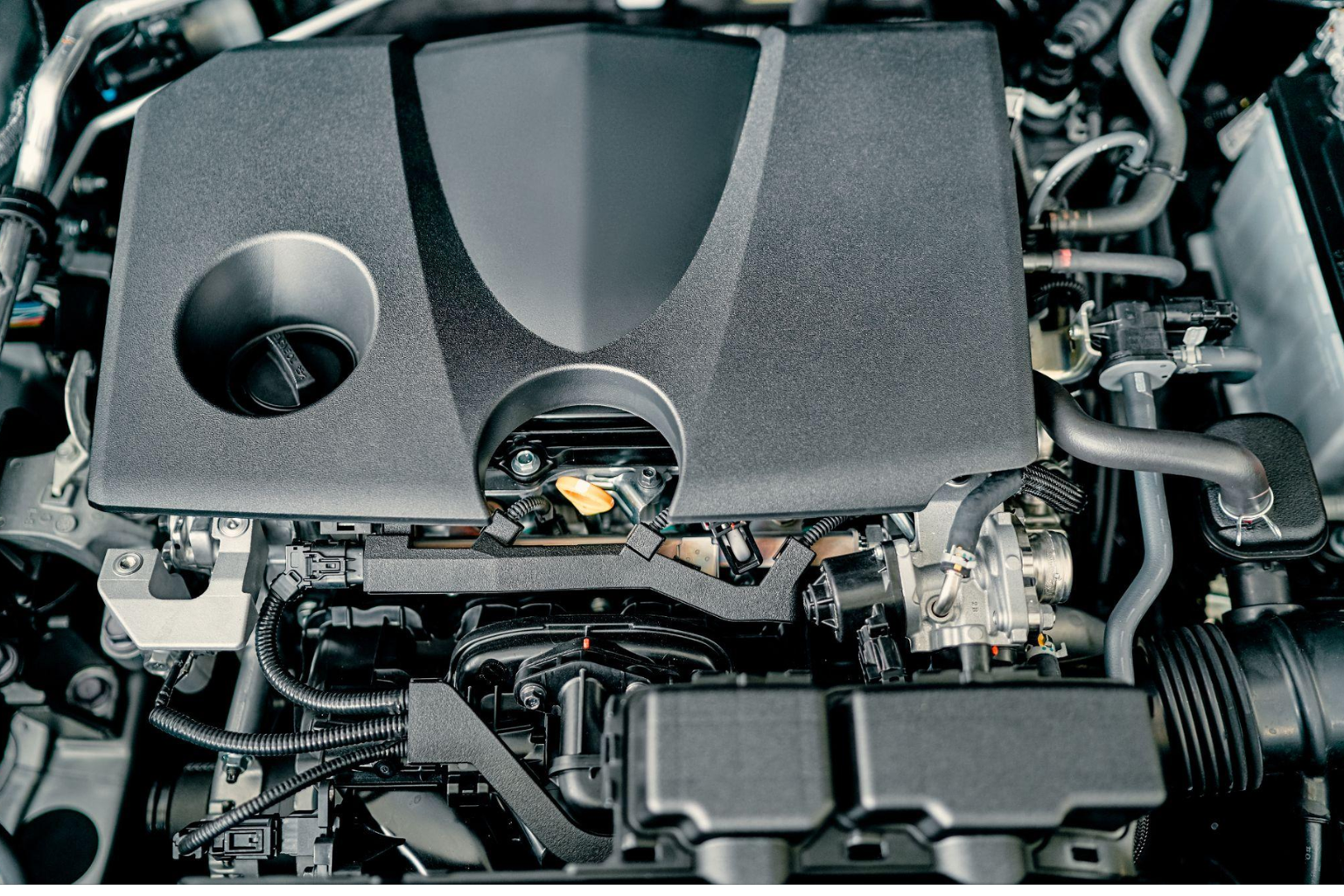
    Certain categories of automotive components have achieved particular recognition in international trade due to their exceptional performance characteristics and manufacturing quality. Japanese engines, in particular, have developed a global reputation for reliability, efficiency, and performance that makes them highly sought after in international markets.

    High-performance engine components from Japan represent some of the most sophisticated automotive engineering available. These components are manufactured using advanced materials and precision manufacturing processes that result in exceptional durability and performance characteristics. The reputation of these components has made them valuable commodities in international trade.

    The demand for authentic Japanese engine components has led to the development of specialized supply chains that focus specifically on these products. Imported JDM Mitsubishi engines represent a significant segment of this specialized trade, with enthusiasts worldwide seeking these components for their performance and reliability characteristics.

    Quality Verification and Authentication

    The international trade of automotive components requires sophisticated quality verification systems to ensure authenticity and condition. Counterfeit components pose significant risks to both performance and safety, making authentication a critical aspect of international commerce.

    Professional verification services employ trained technicians who can identify authentic components and assess their condition using standardized evaluation criteria. These services utilize advanced inspection techniques and documentation systems to provide customers with confidence in their purchases.

    Traceability systems track components from their point of manufacture through the international supply chain to their final destination. These systems provide detailed documentation of each component’s history, including manufacturing information, inspection results, and handling procedures.

    Technological Advances in International Trade

    Modern technology has revolutionized international automotive component trade by improving communication, tracking, and logistics capabilities. Digital platforms enable real-time communication between buyers and sellers across different time zones and languages, facilitating efficient transactions.

    Advanced tracking systems provide visibility into shipment status throughout the international transportation process. These systems utilize GPS technology, RFID tags, and digital documentation to provide real-time updates on shipment location and condition.

    Automated customs clearance systems streamline the import and export process by providing electronic documentation and processing capabilities. These systems reduce processing times and minimize the risk of delays that could impact delivery schedules.

    Economic Impact and Market Development

    The international trade of automotive components has significant economic implications for both exporting and importing countries. Exporting countries benefit from increased manufacturing demand and foreign currency earnings, while importing countries gain access to specialized components that enhance their automotive industries.

    Market development activities include trade shows, industry publications, and professional networking events that connect international buyers and sellers. These activities facilitate knowledge sharing and relationship building that support the growth of international trade.

    The economic impact extends beyond direct trade transactions to include related services such as shipping, insurance, customs processing, and quality verification. These supporting industries create additional economic value and employment opportunities in both exporting and importing countries.

    Future Trends and Developments

    The future of international automotive component trade will be shaped by several emerging trends and technologies. Electronic commerce platforms are making international trade more accessible to smaller businesses and individual enthusiasts, democratizing access to specialized components.

    Environmental considerations are becoming increasingly important in international trade, with emphasis on sustainable packaging, efficient transportation, and reduced carbon footprints. These considerations are driving innovation in logistics and supply chain management.

    Regulatory harmonization efforts are working to standardize international trade procedures and reduce barriers to cross-border commerce. These efforts will make international trade more efficient and accessible while maintaining quality and safety standards.

    The continued evolution of international automotive component trade promises to create new opportunities for accessing high-performance components while maintaining the quality and authenticity that enthusiasts demand. This evolution will support the growth of automotive performance and restoration projects worldwide.

  • 5 Tips for Choosing the Right Industrial Laundry Equipment Supplier

    5 Tips for Choosing the Right Industrial Laundry Equipment Supplier

    When you run a business that needs industrial laundry equipment, choosing the right supplier is a very important step. The machines you buy must be reliable, strong, and easy to maintain. But finding the best supplier is not always easy.

    There are many companies out there, and not all of them offer good service or quality products. Picking the wrong one can lead to delays, extra costs, and poor customer support. To help you avoid problems, this article will share five useful tips to choose the right industrial laundry equipment supplier. 

    Look for Experience and Reputation

    It’s always smart to choose a supplier with many years of experience in the laundry equipment industry. Experienced suppliers usually understand your business needs better. They know which machines work best for different types of laundry services.

    You should also check their reputation. Try reading customer reviews or asking other businesses if they’ve worked with that supplier. A good reputation means many people have trusted the company. 

    Check the Range of Equipment Offered

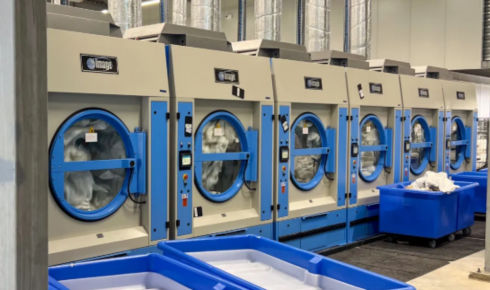
    A good industrial laundry equipment supplier should offer a wide range of equipment. This can include washing machines, dryers, presses, folders, and other laundry tools. When a supplier has many types and models, you can pick the ones that fit your needs best.

    Some businesses need heavy-duty machines, while others want energy-saving models. Having more choices helps you find the right mix of machines. It also shows that the supplier works with multiple manufacturers and understands different kinds of laundry operations. 

    Understand the Level of Customer Support

    Customer support is just as important as the machines themselves. After you buy equipment, you may need help with installation, training, repairs, or spare parts. A good supplier will not leave you after the sale.

    They will support you through the entire process and be there when you need them. You should ask how fast they respond to service requests. Also, check if they offer emergency help in case a machine breaks down suddenly. 

    Consider Pricing and Payment Options

    While price should not be the only factor, it still matters. You want to get the best value for your money. Compare prices from different suppliers and see what each one includes in their offer. Some may provide free delivery, setup, or training.

    Others might offer long-term warranties. Also, check if the supplier has flexible payment options. Some businesses prefer leasing instead of buying machines right away. A supplier who understands your budget and gives flexible plans can be a better partner. 

    Look for After-Sales Services and Training

    Once you receive your machines, you will need to learn how to use and maintain them. The best suppliers offer proper training for your staff. This helps prevent mistakes and keeps your machines running longer. Also, a supplier that provides after-sales services like regular maintenance visits or updates on new features shows they care about your long-term success.

    These services help you avoid machine breakdowns and improve the overall quality of your laundry work. 

    Conclusion

    Choosing the right industrial laundry equipment supplier is a big decision. You must find someone who not only sells good machines but also stands by you after the sale. A strong supplier will offer you reliable equipment, excellent service, fair prices, and helpful training.

    When you follow these five tips, you will feel more confident about your choice. In the end, a good supplier can help your business grow and keep your laundry operations running smoothly.

  • Elevate Your Storage Game: A Complete Guide to Auxx Lift and Its Innovative Products

    Elevate Your Storage Game: A Complete Guide to Auxx Lift and Its Innovative Products

    Let’s face it—garage and attic space never seem to be enough. Between holiday decorations, sports gear, tools, and bins of who-knows-what, your home’s storage can go from organized to overwhelming real fast. That’s where Auxx Lift comes in. Known for its sleek design, heavy-duty performance, and smart automation features, Auxx Lift products are changing the game when it comes to overhead storage.

    Whether you’re a weekend DIY warrior or simply someone tired of tripping over clutter, installing an Auxx Lift system can transform the way you use your vertical space. But what exactly is it? And why are homeowners everywhere investing in this system? Let’s break it down.


    What Is Auxx Lift?

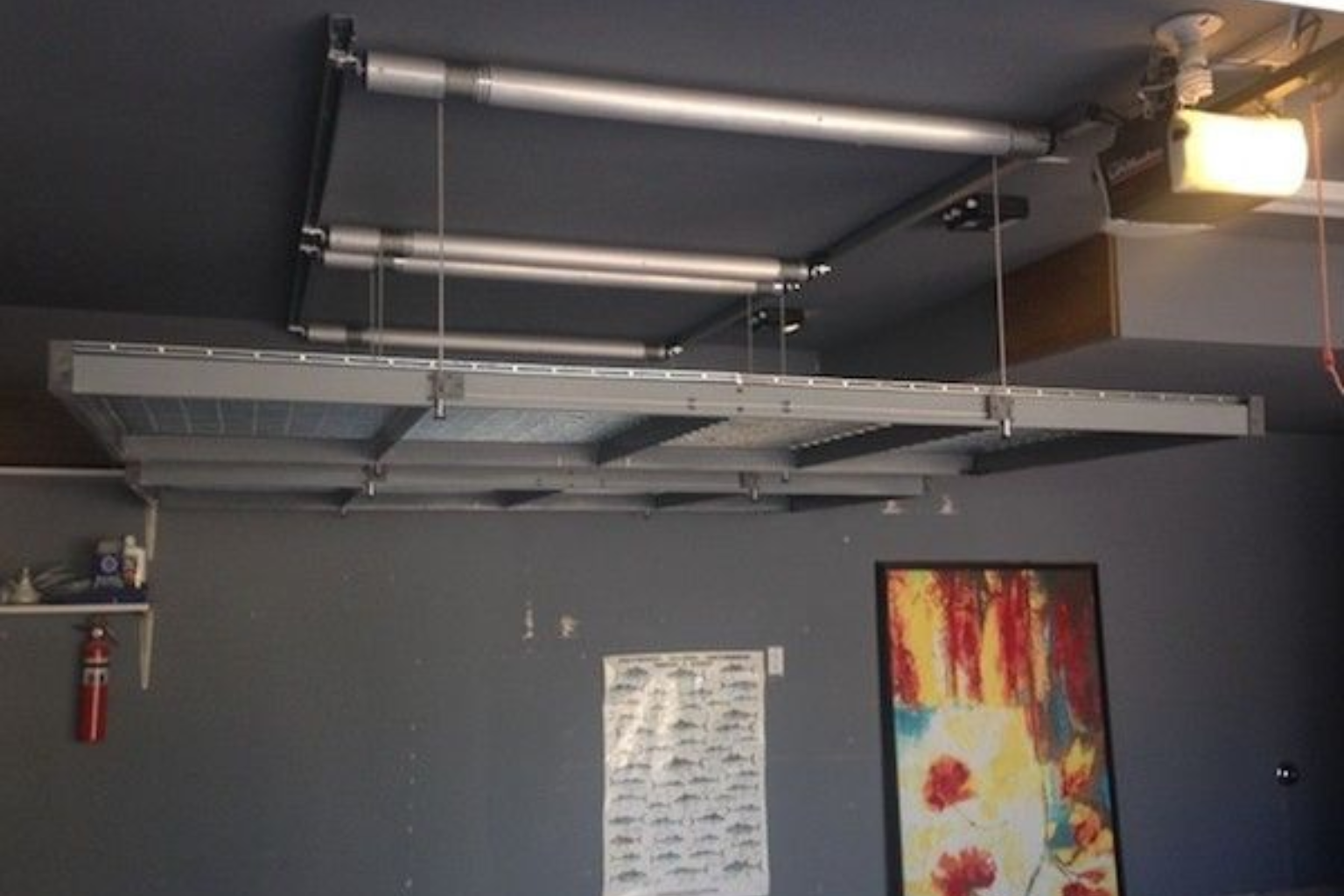
    AuxxLift is a ceiling-mounted, motorized storage system designed to help you hoist and store heavy items out of the way. The idea is simple: rather than cluttering your garage floor or building expensive storage shelves, you use the ceiling space you already have. The result? A cleaner, more organized, and more functional garage or storage room.

    Auxx Lift systems are engineered in the USA and built with high-grade materials to ensure durability, safety, and ease of use. Whether you’re lifting 400 pounds or 600, there’s a model designed to meet your exact needs.


    The Different Types of Auxx Lifts

    Auxx Lift offers two core models that suit a wide range of home storage needs:

    1. Auxx Lift 1400

    Perfect for homeowners with moderate storage demands, the 1400 model offers:

    • A weight capacity of 400 lbs
    • Platform size options ranging from 3×6 to 4×8 feet
    • Compatibility with ceilings up to 13 feet high
    • Wireless remote control and auto-stop functionality

    2. Auxx Lift 1600

    Need to store heavier items or work with taller ceilings? The 1600 model may be your best bet:

    • Supports up to 600 lbs
    • Compatible with ceilings up to 20 feet
    • Includes advanced motor technology for even, level lifting
    • Ideal for larger garages, commercial spaces, or users with bulkier items

    Both models are plug-and-play systems, meaning they require no hardwiring, and most homeowners can complete the installation themselves with basic tools.


    Why Choose Auxx-Lift?

    There are a lot of overhead lift systems on the market, but what makes auxx-lift stand out?

    • Smart Technology: Auxx Lifts are equipped with motorized lifts controlled via wireless remotes. Some even offer app integration.
    • Safety Features: From auto-stop sensors to programmable lift heights, these systems are built to prevent accidents.
    • High-Quality Construction: Engineered in California, each unit is crafted from powder-coated steel, durable cables, and precision motors.
    • Flexible Sizes: With several platform size and load capacity options, you’re not stuck with a one-size-fits-all setup.
    • Customer Service: Auxx Lift has built a solid reputation for responsive, knowledgeable customer support.

    Installation Tips and Considerations

    While many users opt to install their auxxlift systems themselves, you’ll want to keep a few things in mind:

    • Ceiling height matters: Measure your garage or attic space before choosing a lift model.
    • Structural support: You’ll need solid joists or beams to mount the lift securely.
    • Clearance: Ensure you have enough vertical clearance so the platform doesn’t interfere with vehicles or other stored items.

    If DIY projects aren’t your thing, hiring a handyman or contractor with experience in ceiling-mounted systems is always an option.


    Common Use Cases

    Auxx Lift products aren’t just for garages. Here are a few clever ways people are using them:

    • Seasonal decorations: Keep bulky holiday items off the ground until you need them.
    • Tool storage: Safely store large toolboxes or power equipment out of the way.
    • Sports gear: Bikes, kayaks, skis—lift them all!
    • Business inventory: Some small business owners use Auxx Lift in commercial units for extra inventory storage.

    The system’s versatility is one of its strongest selling points. If it fits and it’s within the weight limit, Auxx Lift can handle it.


    Final Thoughts: Should You Invest in an Auxx Lift?

    If your garage feels like a game of storage Tetris, it’s time to consider lifting your gear—literally. Auxx Lift products offer a smart, durable, and aesthetically pleasing solution to a common problem. And let’s be honest, there’s something incredibly satisfying about pressing a button and watching your clutter rise out of sight.

    Whether you opt for the 1400 or go big with the 1600, you’ll quickly realize that Auxx Lift isn’t just a gadget—it’s a lifestyle upgrade. Say goodbye to chaos, and hello to streamlined storage, smarter space, and a garage you’ll actually want to show off.